Farmhouse decor has moved well beyond shiplap walls and mason jar centerpieces. Today’s homeowners and design clients are seeking pieces that feel genuinely handmade, deeply personal, and impossible to find at a big-box retailer. That shift has pushed handcrafted wheel-shaped pillows into the spotlight, with their distinctive silhouettes and artisanal textures earning a place on sofas, beds, and reading nooks across the country.
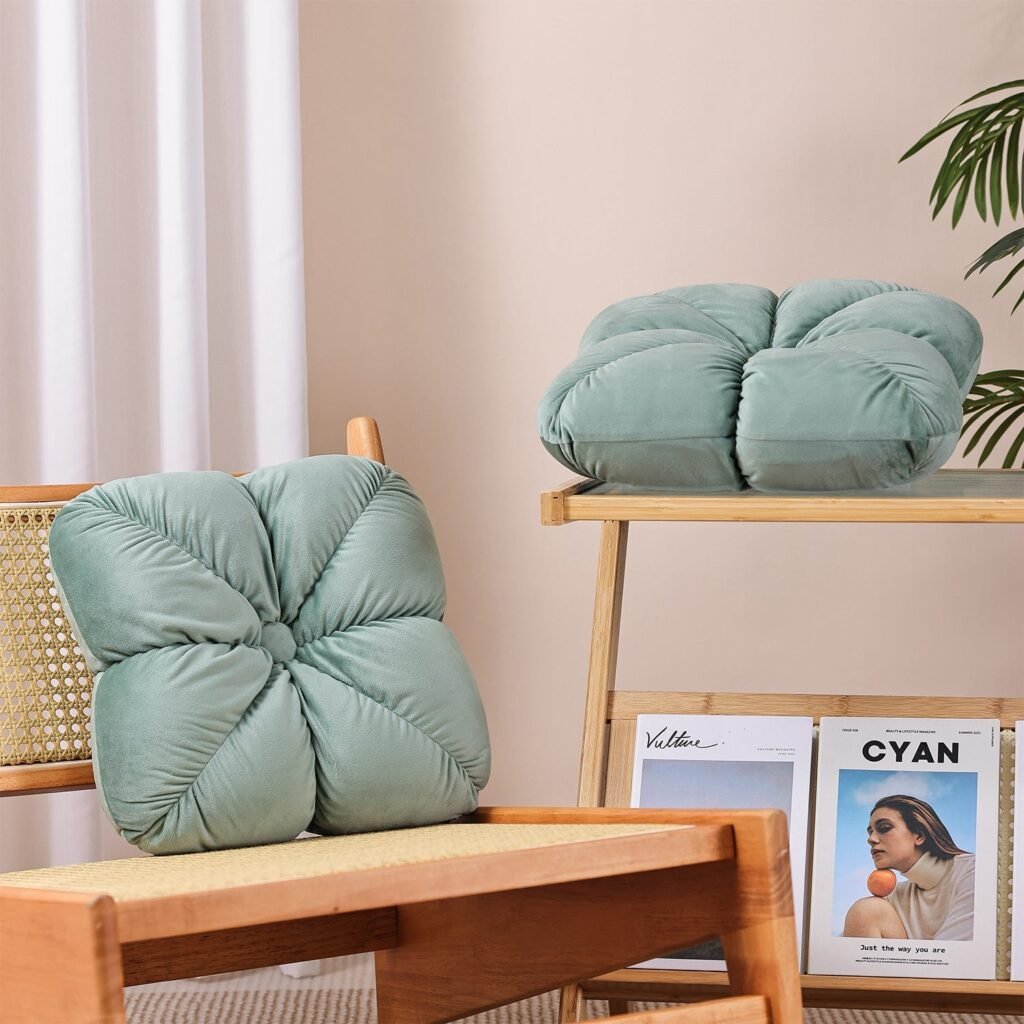
For interior designers, the appeal is clear — but so is the challenge. Sourcing statement pieces that are both affordable and truly unique requires time, connections, and a sharp eye for quality. A poorly chosen pillow can flatten an otherwise beautifully curated room, while the right one can anchor an entire design concept.
This article walks you through everything you need to know about incorporating handcrafted wheel pillows into farmhouse-style spaces. From understanding what sets these pieces apart to practical styling strategies, sourcing tips, and a step-by-step workflow built for professional designers, you’ll find actionable guidance to help you deliver interiors that feel warm, cohesive, and effortlessly distinctive.
Understanding Handcrafted Wheel Pillows and Farmhouse Decor
What Makes Handcrafted Wheel Pillows Unique
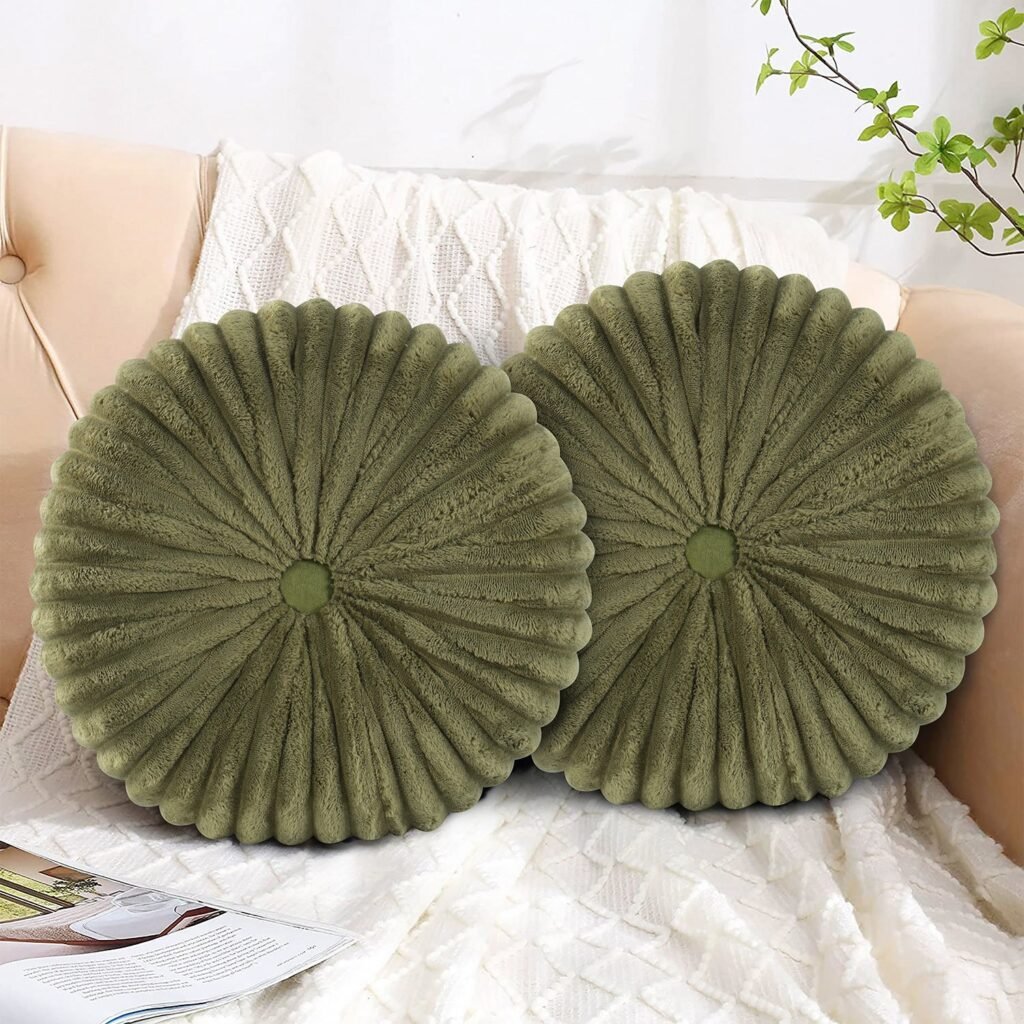
Unlike mass-produced cushions, handcrafted pillows carry the visible marks of individual craftsmanship — slight asymmetries, hand-stitched details, and textures that simply cannot be replicated by machine. The wheel silhouette itself creates a striking focal point, while design flourishes like scalloped border pillow covers add a layer of refinement that elevates the entire piece. For interior designers hunting for accessories that genuinely stand out, these pillows deliver something increasingly rare: a sense that a human being made something with care and intention.
Core Elements of Farmhouse Style
Farmhouse decor draws its enduring appeal from a commitment to natural materials, honest construction, and a color palette rooted in the land — think warm whites, weathered grays, soft sage, and aged wood tones. Linen, cotton, reclaimed timber, wrought iron, and woven textiles form the material backbone of the style, while vintage and antique touches introduce the kind of patina that makes a room feel lived-in rather than staged. The overall effect is deliberately unpretentious: spaces that feel welcoming, functional, and quietly beautiful. Handcrafted wheel pillows slot naturally into this aesthetic because they share the same foundational values. Their artisanal origins align with farmhouse decor’s preference for pieces that tell a story, and their tactile surfaces — whether woven, tufted, or embroidered — reinforce the style’s emphasis on texture and warmth over sleek, polished finishes.
Styling Strategies for Wheel Pillows with Farmhouse Elements
Placement is everything when working with statement pieces like handcrafted wheel pillows. On a sofa, a single wheel pillow positioned slightly off-center creates visual interest without overwhelming the arrangement. In a bedroom, propping one against the headboard between two standard rectangular pillows introduces shape contrast that immediately draws the eye. Reading nooks benefit from a wheel pillow tucked into the corner of a chair, where its sculptural form doubles as functional lumbar support. The key is treating each wheel pillow as an anchor rather than an afterthought — build your arrangement around it rather than trying to squeeze it in at the end.
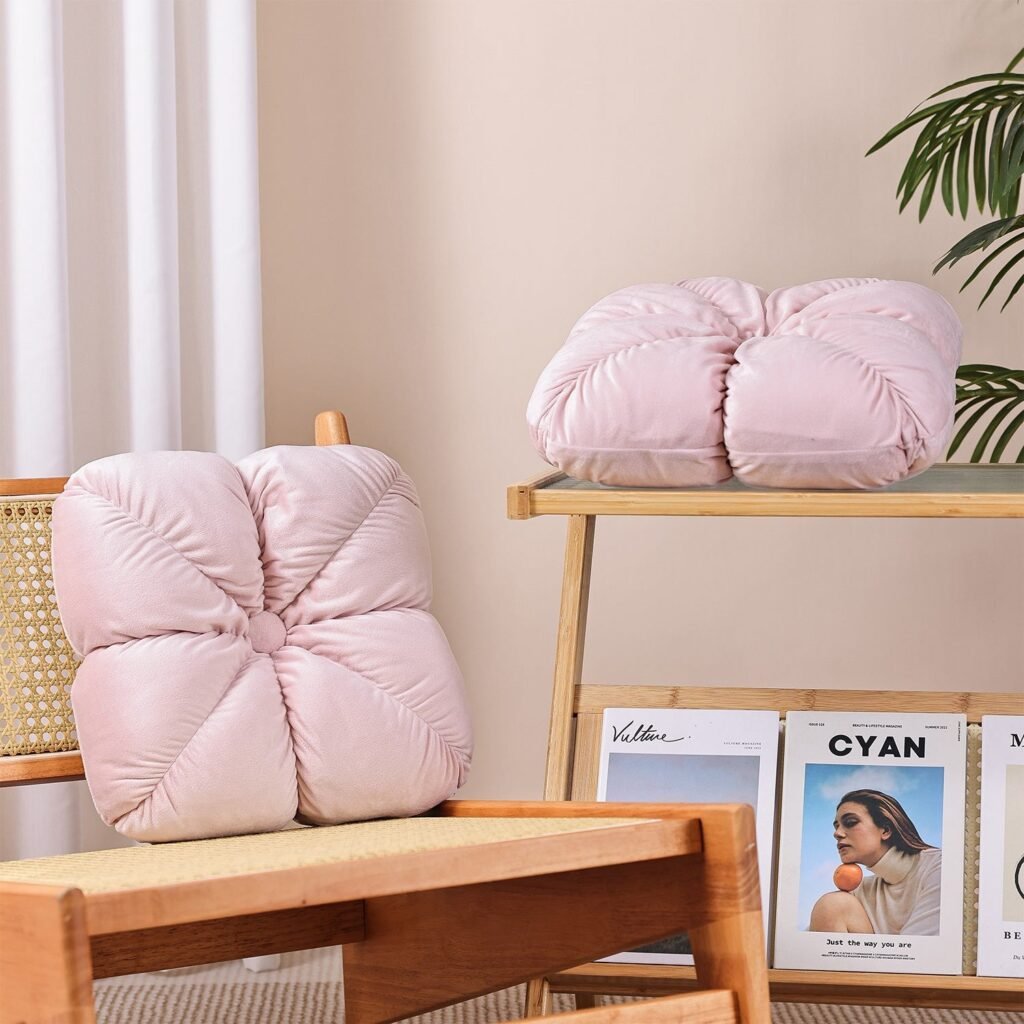
Farmhouse rooms thrive on deliberate asymmetry, so resist the urge to mirror placements exactly. Instead, vary pillow sizes and shapes on either side of a central axis, letting the wheel pillow hold visual weight on one end while a cluster of smaller cushions balances the other. This approach feels organic rather than catalog-perfect, which is precisely the mood farmhouse decor is after.
Color and Texture Combinations
A neutral base palette — warm cream, linen white, or soft oat — gives wheel pillows the breathing room they need to read as focal points rather than competing with surrounding elements. From there, introduce one or two accent tones pulled directly from the room’s existing palette. Dusty blue, muted terracotta, or sage green all feel authentically farmhouse without veering into predictability. Texture is where the real magic happens: pairing a woven or tufted wheel pillow with velvet throw pillows creates a tactile contrast that adds depth and dimension to any seating arrangement. The velvet’s sheen plays beautifully against matte, handcrafted surfaces, making both textures feel more intentional and refined.
Layering with Other Decor Items
Wheel pillows gain considerably more impact when layered thoughtfully with complementary accessories. Scalloped border pillow covers make natural companions — their decorative edging echoes the wheel pillow’s own design details without duplicating them, creating a sense of visual dialogue across the arrangement. Place a scalloped cover on a rectangular pillow in front of or beside the wheel piece to tie the grouping together cohesively.
Beyond pillows, consider how throws, baskets, and rustic accessories extend the layering effect into the broader room. A chunky knit throw draped over the sofa arm reinforces the handmade quality of the wheel pillow, while a woven seagrass basket on the floor below grounds the whole composition. Vintage wooden trays, aged metal lanterns, and ceramic vessels in muted tones all support the farmhouse narrative without pulling focus from the pillow arrangement. The goal is a room where every element feels like it belongs to the same story — worn, warm, and genuinely inviting.
Sourcing Affordable and Unique Handcrafted Pillows
Finding handcrafted wheel pillows that satisfy both a client’s aesthetic vision and a project’s budget is one of the more practical challenges interior designers face. The good news is that the market for artisanal home accessories has expanded significantly, giving designers more sourcing options than ever before — provided they know where to look and what to prioritize.
Where to Find Handcrafted Pillows
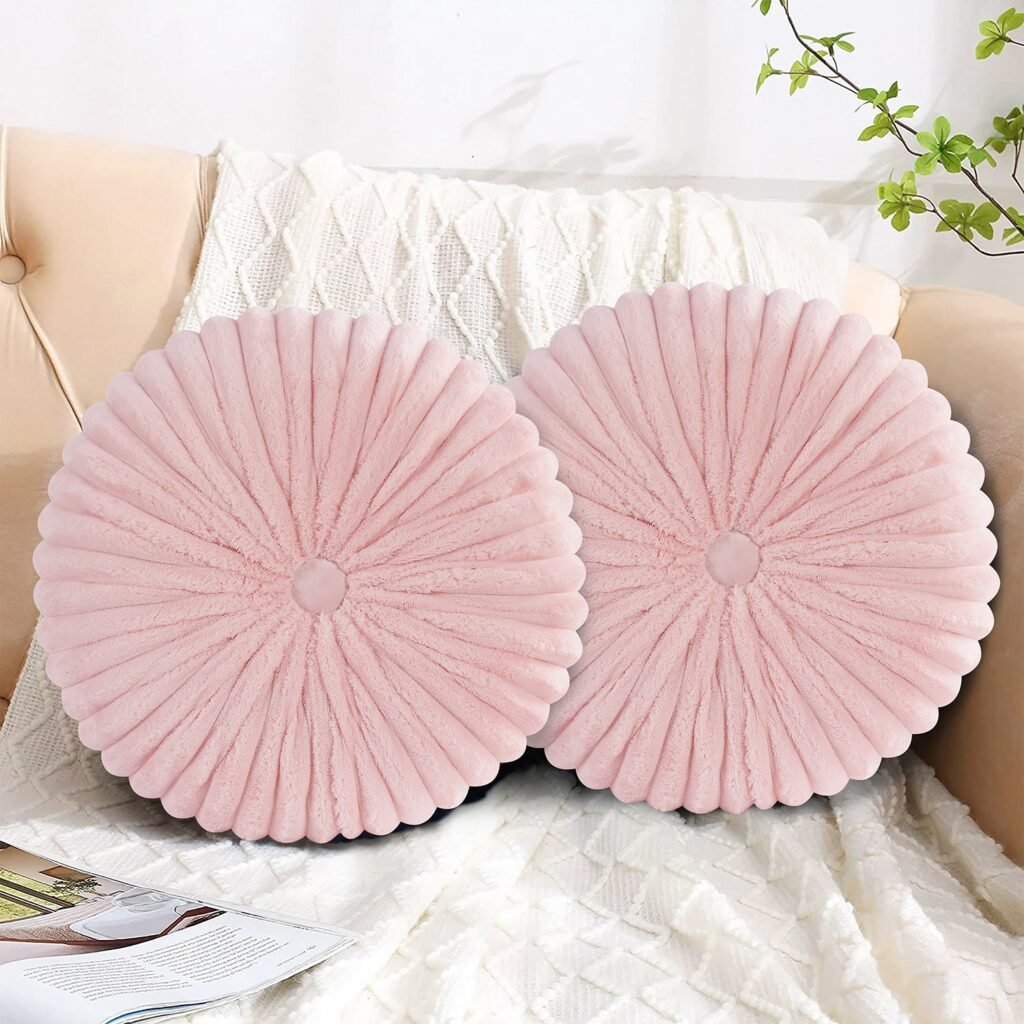
Online marketplaces like Etsy remain one of the most accessible starting points, offering direct access to independent makers who produce handcrafted pillows in small batches. Search specifically for wheel-shaped or medallion pillows and filter by handmade to avoid mass-produced listings dressed up with artisanal language. For designers working at higher volume, wholesale platforms such as Faire connect buyers with independent makers who offer trade pricing and minimum order flexibility. Home goods brands like Higbedding have also expanded their artisan-inspired collections to include distinctive pillow silhouettes worth exploring for clients who need reliable reorder options. Local craft fairs, textile studios, and regional artisan markets are equally valuable — they allow you to assess quality firsthand and build relationships with makers who can accommodate custom colorways or sizing requests. Following textile artists on Instagram and Pinterest often surfaces emerging makers before they gain wider recognition, giving you access to genuinely distinctive pieces at more accessible price points.
Balancing Cost and Uniqueness
Working within a budget doesn’t mean compromising on character. When purchasing from independent artisans, buying two or three pieces at once often opens the door to informal bulk discounts — most makers appreciate the stability of a repeat buyer and will negotiate accordingly. Prioritize pillows in versatile neutral tones like warm cream or natural linen, since these translate across multiple client projects without feeling overused. Scalloped border pillow covers sourced separately from less expensive makers can be paired with a single investment-level wheel pillow to stretch a budget further while maintaining visual richness. Finally, treat uniqueness as a spectrum: a pillow doesn’t need to be one-of-a-kind to feel special — limited production runs and regional exclusivity are more than sufficient for most client expectations.
Step-by-Step Guide for Interior Designers
Translating styling knowledge into a repeatable professional workflow saves time, reduces costly missteps, and helps you deliver consistent results across different clients and spaces. The process of incorporating handcrafted wheel pillows into a farmhouse interior breaks down into three clear phases: assessment, sourcing, and implementation. Moving through each phase deliberately ensures that every pillow you introduce serves the room’s larger design narrative rather than existing as an isolated decorative gesture.
Assessing Client Needs and Spaces
Begin every project by documenting the room’s existing palette, material mix, and dominant textures before selecting any accessories. Photograph the space and note which farmhouse sub-themes are already present — whether the room leans toward modern farmhouse with cleaner lines or a more traditional rustic direction with heavier wood tones and distressed finishes. Then have a direct conversation with your client about tactile preferences, since some clients respond enthusiastically to heavily textured surfaces while others prefer subtler handcrafted details. Clarify the budget ceiling for soft furnishings early, as this determines whether you’re sourcing a single statement wheel pillow or building out a fuller arrangement. Cross-reference these findings against the room’s scale — a large sectional can absorb a 22-inch wheel pillow comfortably, while a compact reading chair calls for something closer to 16 inches.
Implementation and Final Touches
Once sourced pieces arrive, resist placing them immediately and instead lay everything out together on a flat surface first. This dry-run arrangement lets you assess how wheel pillows interact with scalloped border pillow covers and any velvet throw pillows in the grouping before committing to placement in the actual room. When moving to the space itself, start with the largest anchor piece — typically the wheel pillow — and build outward, adjusting secondary pillows until the arrangement feels balanced but not symmetrical.
Small finishing adjustments make a measurable difference: slightly karate-chopping the top of a rectangular pillow, angling a wheel pillow a few degrees off-center, or pulling a throw into a relaxed drape rather than a neat fold all reinforce the lived-in quality that farmhouse decor demands. Once the room is complete, photograph the final arrangement in natural light for your portfolio. These images serve as both a record of your process and a compelling visual reference for future clients considering similar handcrafted elements. Documenting which makers supplied each piece also streamlines repeat sourcing on future projects.
Bringing It All Together: Artisanal Pillows as a Farmhouse Design Foundation
Handcrafted wheel pillows offer something that mass-produced accessories simply cannot — a genuine sense of human intention embedded in every stitch, texture, and silhouette. When paired thoughtfully with farmhouse decor’s natural materials, neutral palettes, and vintage sensibility, they become more than decorative accents. They become the detail clients remember, photograph, and reference when describing why a room feels different from everything else they’ve seen.
The strategies outlined here — from anchoring arrangements around the wheel pillow’s sculptural form, to layering scalloped border pillow covers and velvet throw pillows for textural depth, to sourcing through artisan markets and wholesale platforms — give you a practical foundation for integrating these pieces consistently and confidently across projects. Following a deliberate workflow from client assessment through final implementation reduces guesswork and ensures every handcrafted element earns its place in the room.
As the appetite for authenticity in interior design continues to grow, artisanal accessories like handcrafted pillows will only become more central to what differentiates a thoughtfully designed space from a simply furnished one. Designers who build sourcing relationships now and develop a reliable eye for quality will be well positioned to meet that demand. Start with a single well-chosen wheel pillow, document the results, and let the response guide your next move.