Watching water spread across your carpet triggers panic for good reason. That water is seeping into padding, subfloor, and potentially floor joists right now. Within 24 to 48 hours, mold spores start germinating in those wet materials, and once mold establishes itself, you’re looking at health hazards and costly remediation. Flooded carpet drying isn’t just about aesthetics—it’s about preventing structural damage and protecting your family’s health. Carpet can often be saved if you act fast enough, but the padding underneath usually needs replacement after significant flooding. The key is understanding what you can handle yourself versus when professional equipment becomes necessary. A small area from a minor leak is manageable, but extensive flooding requires industrial drying power you can’t get from box fans and a shop vac.
Extract Water Immediately Using the Right Tools
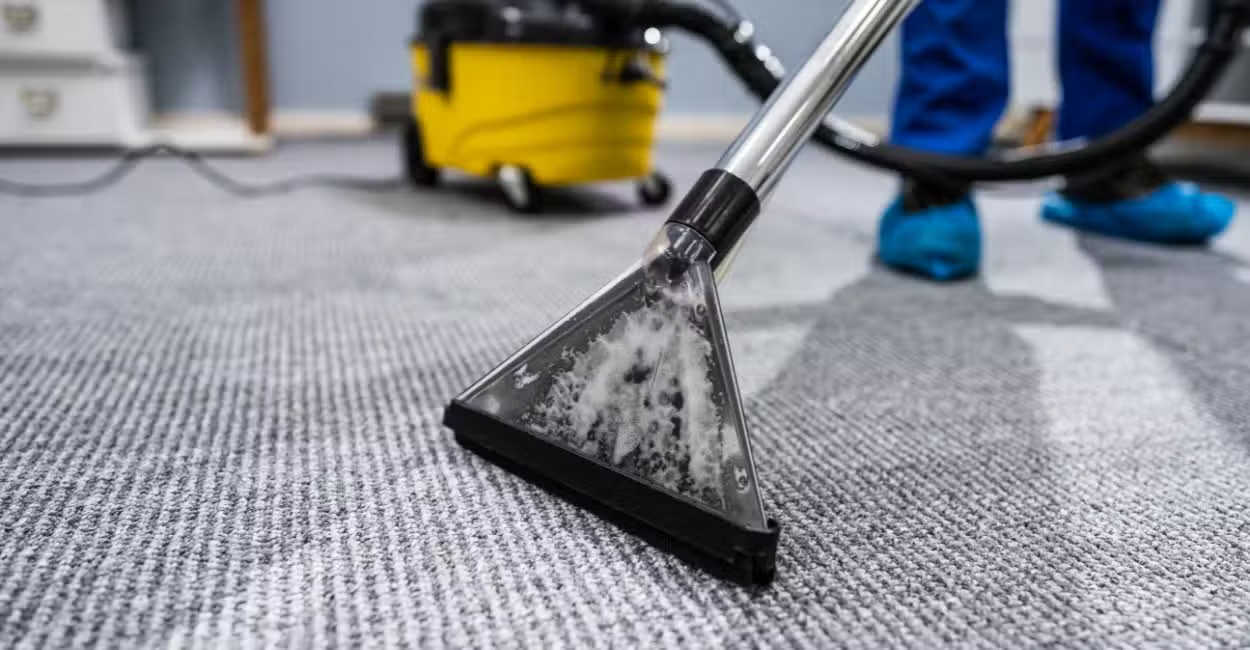
Speed matters more than anything else right now. If you’ve got a wet-dry vacuum, start using it immediately. Don’t just vacuum the surface—press down hard to pull water from deep in the carpet and padding. Make slow, overlapping passes. You’ll need to empty the vacuum repeatedly, and that’s fine. Each gallon you remove now is moisture you don’t have to dry later.
For larger flooded areas, rent a carpet extractor from a hardware store. These look like carpet cleaners but they’re designed specifically for water removal. They pull significantly more water than regular vacuums. Some models remove 90% of water from carpet with proper technique. The rental cost—usually around 40-60 dollars per day—is way cheaper than replacing carpet and dealing with mold.
Keep extracting until you’re pulling up minimal water. This might take several passes over the same areas. The carpet will still feel damp afterward, but you want it merely damp rather than soaking wet before moving to the drying phase.
Increase Air Circulation Aggressively
Standing fans won’t cut it for serious carpet flooding. You need actual air movers—those cylindrical or rectangular fans designed to move huge volumes of air across surfaces. Rent these along with your extractor. Position them at angles that push air under furniture and across the entire carpet surface.
The goal is creating constant airflow that carries evaporated moisture away from the carpet. Point fans toward open windows if possible, creating an air current that moves moisture outside rather than just circulating it around your room. If weather doesn’t permit open windows, run your HVAC system on fan-only mode to circulate air throughout the house.
Place fans about four to six feet apart for adequate coverage. For a typical room, you’ll want at least three to four air movers running continuously. This seems like overkill until you realize carpet drying isn’t linear—it slows dramatically as surface moisture evaporates, leaving deeper moisture that requires sustained airflow to remove.
Deploy Dehumidifiers to Capture Released Moisture
Here’s what most people miss—fans alone just move moisture around. You need dehumidifiers to actually remove moisture from the air. Without them, the relative humidity in your room climbs toward 80-90%, which slows evaporation to a crawl and creates perfect conditions for mold growth.
Rent or buy a commercial-grade dehumidifier rated for the square footage you’re drying. Consumer models from big box stores typically handle 30-50 pints per day, but commercial units pull 100+ pints daily. For serious flooding, the bigger unit pays for itself by cutting drying time in half.
Position the dehumidifier centrally in the affected area and empty its reservoir frequently. Most have automatic shut-offs when full, which means they stop working until you empty them. Better models have continuous drain options using a hose—set this up if possible so the unit runs 24/7 without intervention.
Address the Carpet Padding Situation
Bad news time—carpet padding almost never survives flooding. The padding is basically a sponge designed to hold moisture, which makes it nearly impossible to dry properly before mold starts. Even if you get it seemingly dry, contamination from floodwater means bacteria and mold spores are already embedded in the material.
Pull up the carpet edges and check the padding. If it’s saturated, pull it out entirely. Cut it into manageable sections with a utility knife and dispose of it. You can usually save the carpet itself if you dry it properly, then install new padding later. This sucks to hear, but replacing padding is cheaper than replacing both carpet and padding, plus dealing with mold remediation.
Leave the carpet lifted and supported on blocks or milk crates to allow airflow underneath while it dries. This dramatically speeds drying time versus leaving carpet laying flat on the subfloor.
Monitor Moisture Levels and Watch for Mold
Don’t assume everything is dry just because it feels dry. Moisture meters cost 20-40 dollars and take the guesswork out of this process. Check the carpet, subfloor, and baseboards daily. Moisture content should steadily decline. If readings plateau or increase, your drying setup isn’t working effectively.
Watch for musty odors or visible mold growth. Both signal you’ve lost the race against mold germination and need professional remediation. Mold can start growing in 24-48 hours under ideal conditions, though most situations give you a bit more time. Still, aim to get moisture readings below 20% within 72 hours of the initial flooding to stay ahead of mold development.