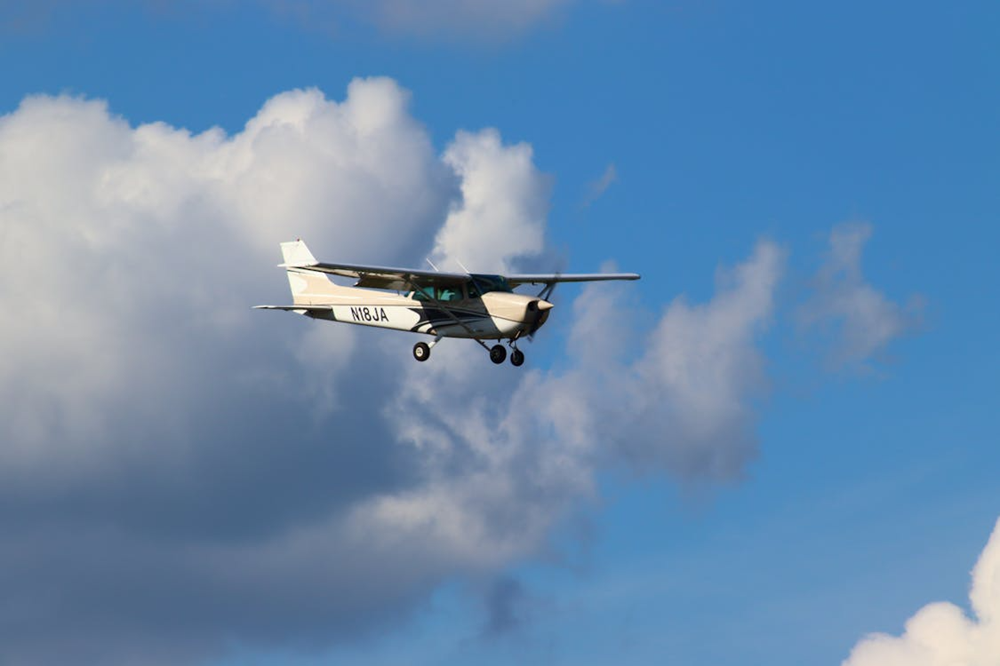
The aviation career path looks straightforward on the surface – get your certificates, build hours, get hired. But there’s a meaningful difference between the pilot who spends four years accumulating ratings and the one who earns a degree while doing it. That difference shows up in how fast you reach a cockpit seat and how far you can go once you’re there.
Why The Degree Changes The Math
The standard route to an airline cockpit requires 1,500 flight hours before you can sit the Airline Transport Pilot certificate. A four-year aviation science degree cuts that number. Graduate from an eligible programme and you only need 1,000 hours – and if your school operates under Part 141, that same reduced figure applies, compared to 1,250 hours for degree holders from other institutions.
That gap matters more than it sounds. Building hours takes time – typically 500 to 700 a year – which means a 250 to 500-hour head start translates directly into months off your timeline. Months where you’re already in a regional airline interview while your non-degree peers are still grinding toward their minimums.
The jobs will be there. Boeing’s 2023 Pilot and Technician Outlook forecasts demand for 649,000 new commercial pilots over the next two decades. The shortage isn’t the problem. The question is how quickly you can get to the front of the queue.
What You’re Actually Studying In A Good Program
The flight hours are the visible part. What separates an aviation science degree from a standalone flight school is everything built around them.
Courses in aviation physiology teach you how hypoxia, spatial disorientation, and fatigue affect decision-making before you experience them in an aircraft. Turbine engine theory, aerodynamics, and aviation meteorology give you context that pure stick-and-rudder training skips. When you sit in your first glass cockpit aircraft – a Garmin G1000 or similar suite – you’re not just learning buttons. You understand the system.
Aviation law and management coursework matters too, and not just for those who want to move into administrative roles later. Knowing how airspace regulations work, how operations are structured, and how safety decisions get made inside a company makes you a more credible candidate. Major carriers have started filtering for candidates with bachelor’s degrees when filling check airman and management positions. Students pursuing a degree to become a pilot in Texas find that getting in the door with a regional is step one; the degree is what keeps the long-term path open.
The First Hurdle Most People Ignore
First, acquire a First-Class Medical Certificate. This is the one step in which the order of operations actually makes sense.
A certain variety of medical conditions – vision, history of cardiovascular disease, history of neurological disease – can restrict or disqualify an individual from one or more of the classes of medical certificate required for professional piloting. A First-Class Medical is required to be PIC at an airline, which is necessary for an ATP checkride. If you find out after two years of training and some significant money spent on ratings that you do not qualify for the necessary First-Class Medical Certificate, you have a big problem.
Some of these conditions can be approved through a Special Issuance process, but that process can take a long time, and you may not get the answer you want. So do the medical first. It’s not expensive, it’s not complicated, and it gets the most important question answered before you’ve spent a dime.
Regional Advantages And Airline Pathways
Collegiate programs often have something flight schools don’t: pathway agreements with regional carriers. These arrangements give students a direct pipeline – conditional job offers tied to hitting specific hour milestones and maintaining performance standards. They eliminate a layer of competition and give you a date to work toward.
Location also matters for training pace. Students training in certain states benefit from year-round flyable weather and some of the least congested training airspace in the country. More flying days means faster hour accumulation, which means hitting R-ATP minimums sooner. That’s not incidental. A delayed solo or a string of weather cancellations in a less favorable climate can push back your checkride schedule by weeks.
Checkrides – the practical exams required to earn each certificate and rating – don’t wait for gaps in your knowledge. The instrument rating, multi-engine rating, and commercial certificate all require demonstrating competency under examiner pressure. Programs that integrate academic and flight training together tend to produce students who are better prepared for these evaluations because the theory and the practice reinforce each other week to week.
Building Time After Graduation
Most new commercial pilots complete their degree program with approximately 250 to 300 flight hours. The CFI certificate is the bridge between graduation and an airline seat. It’s how most professional pilots accumulate the hours they need – and one of the few actual jobs you can have as a pilot – getting paid to fly while you’re doing it.
Pilots that move through this phase most effectively get into a CFI program and view it as time spent building hours, building students, and building a record of professional conduct that regional airline recruiters will see.
From student to regional airline pilot has also never been more direct. The degree is what makes the process efficient.