Medical marijuana has become an increasingly accepted treatment option across the United States, and for patients who qualify, obtaining an MMJ card online has never been more accessible or straightforward. Whether you are dealing with chronic pain, anxiety, PTSD, cancer-related symptoms, or any number of qualifying conditions, understanding how the online process works can save you considerable time, money, and stress. Platforms like Online Medical Card have simplified the evaluation process so that patients can connect with licensed physicians from the comfort of their own homes, often receiving their recommendation the very same day.
What Exactly Is a Medical Marijuana Card?
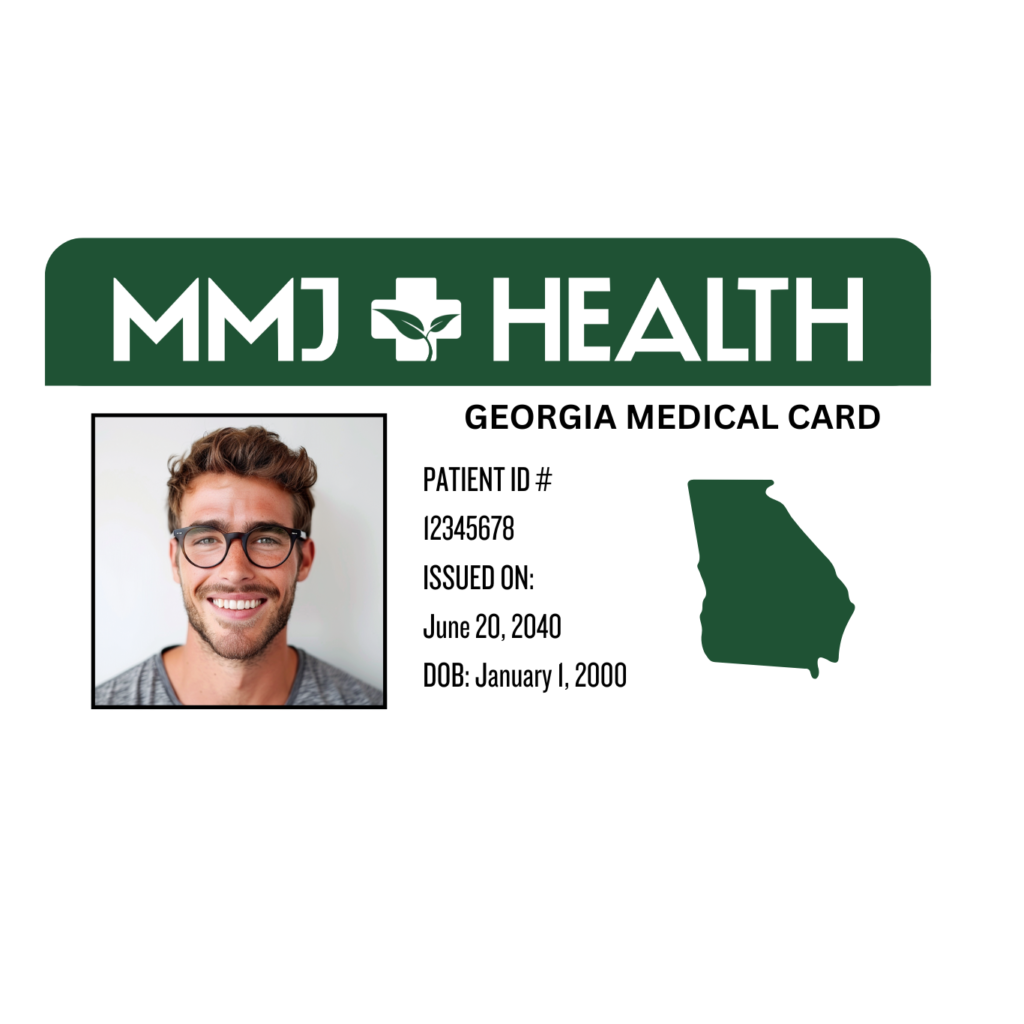
A medical marijuana card, often referred to as an MMJ card or cannabis recommendation, is an official document issued by a state-licensed physician that certifies a patient qualifies to use cannabis for a recognized medical condition. In most states, this card grants the holder legal access to licensed medical dispensaries, often at higher possession limits and lower tax rates than recreational buyers receive. Some states require patients to formally register with a state program after obtaining their physician’s recommendation, while others treat the recommendation itself as sufficient authorization.
The distinction between a cannabis recommendation and a physical MMJ card matters in practical terms. A recommendation is the doctor-approved document; the card is typically a wallet-sized credential, sometimes issued by the state, sometimes offered as an optional add-on by private clinics. Services like Online Medical Card, for instance, offer a physical plastic card as an optional $20 add-on to their standard consultation, which is accepted at all California dispensaries and provides legal protection when carrying cannabis within the state.
Why Get Your MMJ Card Through an Online Platform?
Traditional in-person cannabis evaluations can be inconvenient, expensive, and time-consuming. Patients had to schedule appointments days or weeks in advance, drive to a clinic, wait in line, and then wait again for paperwork. Online platforms have eliminated most of these barriers. Through HIPAA-compliant telemedicine portals, a patient can now complete a prequalification form, speak face-to-face with a licensed physician over a video call, and receive their recommendation by email: all within the span of a single afternoon.
The financial advantage is equally compelling. Standard medical consultations through online MMJ platforms are generally far less expensive than in-person clinic visits, and many services operate on a “pay only if you qualify” model. Online Medical Card, for example, offers a 100 percent refund if the attending physician determines that a patient does not meet the qualifying criteria for medical cannabis. This removes the financial risk that once discouraged patients from even attempting the process.

The Three-Step Process: Simpler Than You Think
The application process through reputable online platforms follows a clear, patient-friendly structure. First, applicants complete a brief pre-qualification form that collects basic personal information and details about their medical condition. This initial screening helps ensure that the doctor’s time is spent efficiently and that appointments go to patients who are likely to qualify. Second, the patient participates in a live video consultation with a state-licensed physician who reviews their medical history, asks follow-up questions, and determines whether cannabis therapy is appropriate for their condition. Third, if approved, the patient receives a PDF recommendation via email, usually within minutes of the consultation concluding.
No lengthy appointment scheduling, no commuting, no waiting rooms. For patients managing mobility issues, severe anxiety, or chronic illness, this convenience is not a luxury: it is genuinely transformative for their ability to access care.
“Our goal is to make the process of obtaining a medical marijuana card as simple as possible, connecting patients with certified cannabis doctors who understand that ease is the utmost priority.” — Online Medical Card
Who Qualifies for a Medical Marijuana Card?
Qualifying conditions vary by state, but the list has expanded significantly over the past decade. Common qualifying conditions accepted across most states include chronic pain, cancer, epilepsy, multiple sclerosis, PTSD, Crohn’s disease, glaucoma, HIV/AIDS, Parkinson’s disease, and severe nausea or cachexia. Some states maintain broader eligibility frameworks that allow physicians to use professional judgment when a patient has a condition not explicitly listed on the state’s approved list.
Age requirements also apply universally: applicants must be at least 18 years old to apply independently. Minors can still be considered for medical cannabis in some states, but the process involves additional steps and requires a parent or legal guardian to participate as a caregiver throughout the application. It is always advisable to review the specific laws of your state before applying, as eligibility criteria and registration requirements differ considerably from one jurisdiction to another.
Privacy, Security, and Confidentiality
One concern that sometimes holds prospective patients back is worry about privacy. Legitimate platforms operating in the telemedicine space are legally obligated to comply with HIPAA, the Health Insurance Portability and Accountability Act, which sets strict standards for how medical information must be stored, transmitted, and protected. Patient records shared during an online MMJ evaluation are sent directly to the consulting physician and cannot be accessed by third parties without the patient’s explicit authorization.
This means that using an online medical marijuana service carries no greater privacy risk than visiting any other type of healthcare provider. The same confidentiality protections that govern your regular physician’s records apply here. For patients who have previously hesitated due to stigma concerns, it is worth noting that the digital format of online consultations actually provides a degree of discretion that in-person clinic visits cannot always guarantee.

Understanding Possession Limits and Dispensary Access
One of the most meaningful practical benefits of holding a valid medical marijuana card is the expanded access it provides. In California, for example, a registered medical marijuana patient may legally purchase and possess up to 8 ounces of cannabis, compared to the 1 ounce limit that applies to recreational consumers. Similar expanded allowances exist in states like New York, Michigan, Pennsylvania, and several others. Beyond possession limits, medical patients often receive preferential pricing at dispensaries, lower sales tax rates, and access to product lines that are not available to recreational buyers.
When visiting a dispensary for the first time after receiving your recommendation, the process is straightforward: simply present your PDF recommendation or physical card at the point of purchase. Dispensaries are legally required to verify your credentials before completing the transaction, but once your documentation is confirmed, the experience is no different from any other retail interaction. Most dispensary staff are knowledgeable, professional, and accustomed to helping new patients navigate product options.
Renewal: Keeping Your Card Active
Medical marijuana recommendations and cards are not permanent; they carry expiration dates that are determined by each state’s cannabis laws. In California, for instance, recommendations typically expire annually. It is advisable to begin the renewal process at least 30 days before your card’s expiration date to ensure there is no gap in your legal access to dispensaries. Online platforms like Online Medical Card offer renewal consultations that follow the same simple process as the original application: a brief form followed by a video consultation with a licensed physician. Renewal fees are generally lower than initial consultation fees, and returning patients often have their prior records reviewed to streamline the assessment.
Keeping track of your expiration date and renewing early is the single most important step in maintaining uninterrupted access to medical cannabis. Set a reminder 30 to 45 days before expiry so you never find yourself without valid documentation at the dispensary counter.
Choosing the Right Online MMJ Platform
Not all online cannabis evaluation services are equal. When selecting a platform, look for several key indicators of legitimacy and quality. The doctors listed on the platform should be verifiable through your state’s medical board licensing database. The platform should use a HIPAA-compliant telemedicine system and clearly explain its refund policy before you pay. Customer service availability matters as well: a reputable service will have accessible support channels available seven days a week, not just during business hours.
Online Medical Card, which has been serving patients since 2001, exemplifies what a trustworthy provider looks like in this space. Their physicians are licensed and verifiable through the Medical Board of California, their telemedicine platform is fully HIPAA-compliant, and their money-back guarantee removes the financial risk entirely. Patients can get a medical marijuana card online through their portal and receive a same-day email recommendation after consulting with a board-certified physician: a process that takes less than an hour from start to finish.
A Genuine Step Toward Wellness
Medical cannabis is not a solution for everyone, and it is not without its own considerations and risks. But for the millions of Americans living with qualifying conditions who have found limited relief through conventional treatments, it represents a legitimate and increasingly well-researched therapeutic option. The shift toward online evaluation platforms has made this option available to people who previously could not or did not pursue it: whether because of cost, location, mobility, or stigma.
If you believe you may qualify for medical cannabis and have been considering whether to pursue an MMJ card, the current landscape of online telemedicine services makes it easier than ever to get a professional medical evaluation, ask your questions openly, and make an informed decision about your own healthcare. The process is transparent, private, and patient-centered: and for many people, it marks the beginning of a meaningful improvement in quality of life.