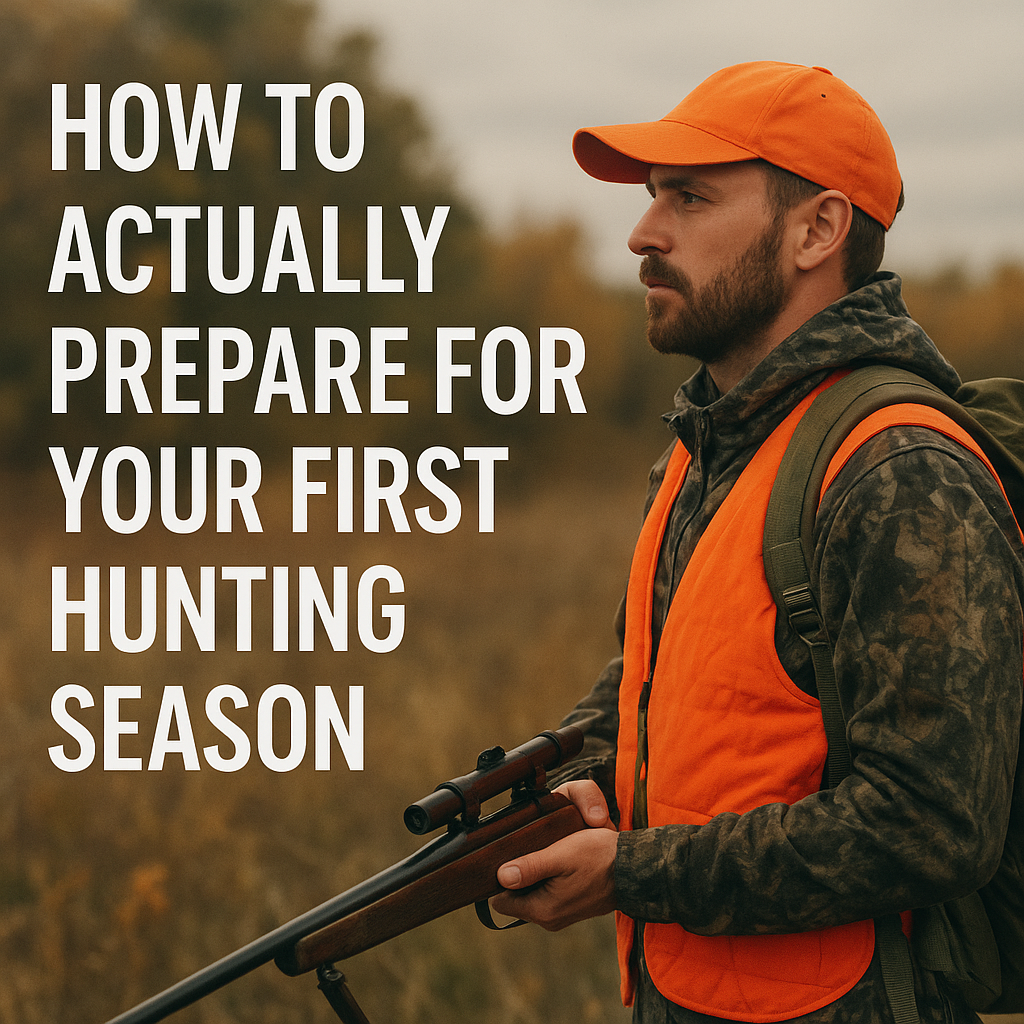
The months leading up to hunting season can feel overwhelming for anyone planning their first trip into the field. Between figuring out what you need to buy, understanding regulations, and actually learning to shoot properly, there’s a lot more involved than most people realize when they first get interested in hunting.
The good news is that with some planning and honest preparation, that first season becomes much more manageable. Here’s what actually matters when getting ready for your first time out.
Understanding Your Timeline
Most new hunters underestimate how much lead time they need. If your state’s hunting season opens in October, starting your preparation in September isn’t going to cut it. A realistic timeline means beginning at least three to four months before opening day, and that’s being conservative.
The first step involves research into your state’s hunting regulations. Every state handles licenses differently, and many require hunter education courses that can take several weeks to complete. Some states offer online options, while others mandate in-person classes that might only run a few times per year. Missing the last available class before season could mean waiting until next year.
Getting Your Licensing Sorted Out
Hunter education requirements vary significantly depending on where you live and when you were born. Some states grandfather in older hunters, while others require everyone to take the course regardless of age. The classes typically cover firearm safety, hunting ethics, wildlife identification, and survival basics. They’re not particularly difficult, but they do require time and attention.
Once you’ve completed any required education, you’ll need to purchase your actual hunting license and any specific tags for the game you’re pursuing. Small game licenses are usually straightforward and affordable. Big game tags can be more complicated, with drawing systems, quotas, and significantly higher costs. For a first season, many experienced hunters recommend focusing on small game opportunities to build skills without the pressure and expense of chasing deer or elk.
Selecting and Practicing with Your Equipment
This is where new hunters often make expensive mistakes. There’s a temptation to buy the fanciest rifle or the most expensive optics, thinking better gear will make up for inexperience. The reality is that a reliable, affordable setup works perfectly well for learning.
For small game hunting, something chambered in .22 Long Rifle makes tremendous sense as a starting point. The ammunition is inexpensive, which means you can actually afford to practice regularly. Recoil is minimal, allowing you to focus on fundamentals rather than flinching. A ruger 10/22 or similar rimfire rifle provides everything a new hunter needs without requiring a second mortgage.
Whatever you choose, regular range time becomes non-negotiable. Shooting from a bench at a range is different from shooting in field positions, but it builds the foundation. Start with basic marksmanship at 25 yards, then gradually extend your range and practice from different positions. Shooting offhand, kneeling, and sitting all feel different, and you’ll want some familiarity before you’re doing it with game in front of you.
Most new hunters don’t practice enough. Shooting twenty rounds the weekend before season and calling it good won’t prepare you for ethical shots in actual hunting situations. A better approach involves shooting at least once a week for the two months before season, even if it’s just fifty rounds each session.
Physical Preparation That Actually Helps
Hunting is more physically demanding than it looks on television. Even still-hunting from a blind requires getting to your spot before dawn, often carrying gear over uneven terrain. If you’re planning any kind of spot-and-stalk hunting, the physical demands increase significantly.
Starting a basic conditioning program two months before season makes a real difference. This doesn’t mean you need to become an ultramarathoner, but regular walking with a weighted pack prepares your body for what’s coming. Thirty minutes of walking three or four times per week, gradually adding weight to a backpack, builds both endurance and the specific strength you’ll need.
Pay attention to your feet during this training. Break in your hunting boots now, not on opening morning. Blisters on a hunting trip can ruin the entire experience, and they’re completely preventable with proper preparation.
Scouting and Land Access
Knowing where you can legally hunt matters just as much as knowing how to hunt. Public land offers opportunities in most states, but understanding the specific regulations for each piece of property takes research. Some areas restrict certain hunting methods or have specific season dates that differ from private land regulations.
If possible, scout your intended hunting area before season. Walk the property, look for game signs, and identify potential spots where you might set up. Notice the wind patterns, figure out access routes that won’t spook game, and mark water sources where animals are likely to appear.
For those planning to hunt private property, building relationships with landowners takes time and respect. Many landowners appreciate hunters who offer to help with land management or who simply ask permission politely and follow through on their commitments. Don’t wait until the week before season to start knocking on doors.
Mental Preparation and Realistic Expectations
Here’s something most preparation guides skip: your first hunting trip probably won’t result in harvested game, and that’s completely normal. Hunting requires patience, skill, and often a fair amount of luck. Setting realistic expectations helps avoid disappointment when opening day doesn’t go as imagined.
The goal for a first season should be learning and gaining experience rather than filling tags. Pay attention to animal behavior, practice staying still and quiet, and notice how weather affects game movement. These observations build the foundation for future success.
Also prepare mentally for the reality of harvesting an animal if the opportunity presents itself. Taking a life, even for food, affects people differently than they expect. There’s nothing wrong with feeling emotion about it, and experienced hunters report that the weight of that responsibility never completely goes away.
Final Preparations
The week before season, gather all your gear and do a complete check. Verify that your license is actually in your wallet, not sitting on your desk at home. Confirm your rifle is still zeroed. Make sure you have appropriate ammunition and that you know how to safely load and unload your firearm in the dark.
Pack your hunting bag the night before, not the morning of. Include more water than you think you’ll need, some basic first aid supplies, and a way to communicate in case of emergency. Tell someone where you’re going and when you expect to return.
The preparation process for a first hunting season is substantial, but it’s also part of what makes the experience meaningful. Taking the time to do things properly increases both safety and the likelihood of an enjoyable experience, regardless of whether any game ends up in the freezer.