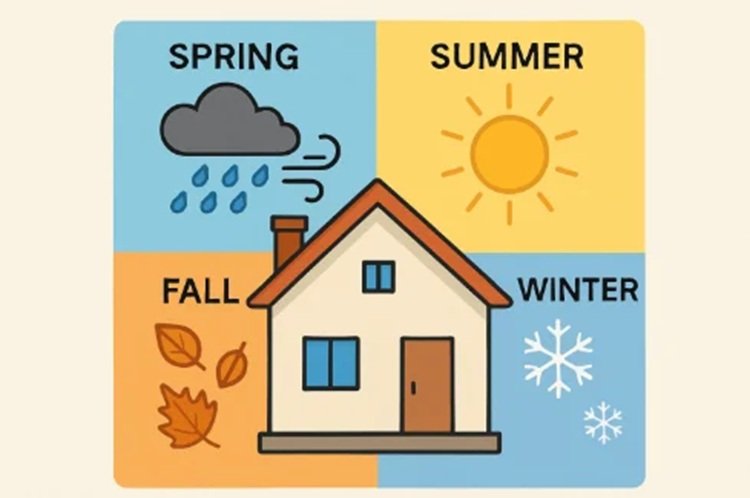
Homeowners are often surprised to discover just how much a roof’s durability depends on the changing seasons. Every year, fluctuations in temperature, moisture, wind, and sunlight all play significant roles in determining how well your roof holds up over time. By understanding the risks that different weather events pose and proactively addressing potential issues, you can significantly extend your roof’s lifespan and protect your investment. The right partner for these preventive strategies, such as Aurora Roofing Company, can ensure your roof remains strong in all conditions.
Seasonal impacts go beyond severe weather; regular rain, sun, debris, and freezing cycles gradually damage roofs. Proper material choice, repairs, and maintenance are essential. Ignoring weather damage signs can lead to costly problems like rot, mold, energy loss, and structural issues. Modern roofing offers protection, but not all options are equal. Using the right materials, methods, and maintenance helps weatherproof your home, ensuring safety and comfort year-round. Professional assessments help identify at-risk areas early. Homeowners should also consult local building codes and climate-specific advice to enhance roof performance and lifespan. Resources like Energy.gov’s cool roof guide provide additional tips for regional weather and energy efficiency, notes B&R Team.
Spring: Rain and Wind
The arrival of spring heralds increased rainfall and strong winds. These elements exploit any pre-existing vulnerabilities in your roof, such as degraded shingles, loose flashing, or overfilled gutters. Heavy rain increases the risk of leaks and water damage, while persistent winds may strip away shingles, exposing the underlayment to the elements. Routinely checking for cracked or loose materials, replacing damaged shingles, and keeping drainage systems clear will fortify your roof for the wettest months.
- Inspect and reseal flashing and vent penetrations to ensure proper sealing.
- Clear leaves and debris from gutters and downspouts to promote proper drainage.
- Address any signs of warping, shifting, or missing shingles promptly.
Timely attention prevents small springtime issues from escalating into significant summer problems, like heat-baked leaks or mold proliferation.
Summer: Heat and UV Exposure
Summer subjects roofs to relentless sun and high temperatures, conditions that speed up the deterioration of many traditional roofing materials. Asphalt shingles are particularly prone to cracking and curling under prolonged exposure to UV radiation, which decreases their protective effectiveness and aesthetic value. Metal roofs, while less affected by UV, may still heat up and contribute to attic temperature spikes without appropriate insulation or ventilation strategies.
- Install light-colored, reflective roofing materials to decrease heat absorption.
- Ensure attic spaces are well-ventilated to dispel trapped heat and moisture.
- Monitor shingle condition for fading or brittleness—signs it’s time for replacement.
Fall: Leaves and Debris
As trees shed their leaves, gutters, valleys, and other collection points on your roof quickly fill with organic debris. Blocked drains can cause water to accumulate underneath shingles or along fascia boards, accelerating rot and degradation. Moss and algae thrive in moist, shaded patches, adding further strain to roofing layers. Scheduling a thorough cleaning each autumn and trimming back overhanging branches can mitigate these seasonal hazards.
- Perform a comprehensive gutter and roof cleaning before winter arrives.
- Inspect the roof surface for signs of mold, mildew, and standing water.
- Remove problematic vegetation and repair any minor damage caused by falling branches or debris.
Winter: Snow and Ice
Winter brings the most taxing conditions for residential roofs, namely heavy snow, persistent ice, and freezing-thawing cycles. Ice dams—a common winter problem—form when heat from the attic melts rooftop snow, which then refreezes at the eaves, blocking proper drainage. Water subsequently backs up under the shingles, causing leaks, wood rot, and saturation of the insulation. Additionally, extreme snow loads can threaten the structural integrity of older or improperly constructed roofs.
- Encourage attic airflow by using balanced insulation and ventilation to minimize ice dam formation.
- Safely remove accumulated snow after major storms, especially from low-pitch roofs.
- Watch for signs of interior leaks—including stains or peeling paint on ceilings and walls.
Choosing Weather-Resistant Materials
The longevity of your roof depends not only on proper maintenance but also on selecting materials that are tailored to local climate challenges. Metal, clay, and high-quality composite shingles provide superior weather resistance compared to basic asphalt options. In particularly harsh climates, investing in these advanced materials can yield decades of reliable service and significant cost savings over time.
- Metal roofs typically last 40 to 70 years and offer high resistance to wind, hail, and fire.
- Clay tiles are both durable and excellent at shedding rainwater, but require reinforced support due to their weight.
- Consider energy-efficient materials, such as cool roofing, that deflect sunlight and reduce heat absorption.
Regular Maintenance Tips
A proactive maintenance routine is your roof’s best defense against year-round weather exposure. Schedule biannual inspections—in spring and fall—to diagnose potential problems before they grow. Clean gutters and downspouts to prevent pooling water. Regularly check for signs of wear or spaced seams and take prompt action on repairs, however minor they may appear.
- Biannual professional roof inspections catch hard-to-spot vulnerabilities.
- Ensure all attic vents are clear and free of insulation or blockages.
- Replace damaged or missing shingles as soon as they are noticed.
By understanding the unique challenges presented by each season and acting proactively, homeowners can not only preserve the appearance and function of their roof but also reduce long-term costs and stress. Maintenance, quality materials, and trusted professionals make all the difference in ensuring your roof stands the test of time.
Conclusion
Seasonal weather patterns have a profound impact on roof longevity, with each season presenting its own unique challenges that can weaken materials and reduce a roof’s lifespan. By selecting climate-appropriate materials, performing routine maintenance, and addressing issues early, homeowners can significantly extend the durability of their roofs. Partnering with trusted professionals ensures small vulnerabilities don’t evolve into costly repairs, safeguarding both your home and investment. Ultimately, a proactive, seasonally aware approach to roof care helps you maintain comfort, efficiency, and protection throughout the year.