When a loved one passes away, families often face unexpected financial burdens alongside their grief. Traditional funeral services can cost thousands of dollars, creating stress during an already difficult time. Non-profit cremation programs provide an alternative path that honors the deceased while reducing economic pressure on the surviving family members.
Several organizations across the country now offer body donation programs that include cremation Phoenix for residents and families nationwide that can be accessed without the typical expenses. These programs operate through whole body donation arrangements, where individuals pre-register to donate their bodies to medical science after death. In exchange, the organization handles transportation, necessary paperwork, and cremation services at little to no cost to the family.
Understanding How Non-Profit Cremation Programs Work
Program Structure and Operation: Non-profit cremation services function differently from traditional funeral homes because they’re connected to medical research and education initiatives. When someone registers with these programs during their lifetime, they’re making arrangements that serve dual purposes. Their gift advances scientific knowledge while their family receives cremation services that would otherwise carry significant costs.
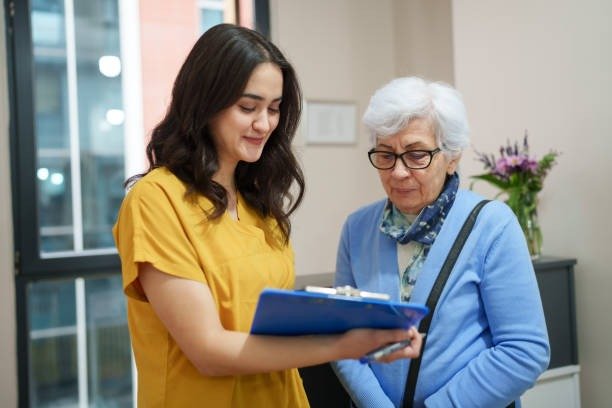
The Registration Process: Individuals interested in these programs typically complete an application that includes medical history information and consent documentation. The organization reviews eligibility based on various factors, though many programs accept most applicants. Once approved, registrants receive confirmation materials they can share with family members to ensure everyone understands the arrangements when the time comes.
What Services Are Included
Transportation and Logistics: When a registered donor passes away, the non-profit organization coordinates all mortuary transport arrangements from the place of death to their facility. This service alone can save families hundreds of dollars compared to standard funeral home charges. The organization handles refrigeration, proper documentation filing with state authorities, and ensures all legal requirements are met throughout the process.
Cremation and Return of Remains: After the body has been used for its intended educational or research purposes, which typically takes several weeks to months, the organization performs cremation. The cremated remains are then returned to the family in a basic urn at no additional charge. Families can choose to keep, scatter, or inter these remains according to their preferences and any pre-arranged wishes.
Financial Relief for Grieving Families
The cost savings these programs provide can be substantial. Traditional burial expenses often include:
- Funeral home basic services fee ranging from fifteen hundred to three thousand dollars, covering staff time and facility use.
- Casket costs that can exceed several thousand dollars depending on materials and construction quality.
- Burial plot purchase, opening and closing fees, and perpetual care charges at cemeteries.
- Embalming, viewing, and ceremony costs that add up quickly when families choose traditional services.
Economic Impact on Households: Many families struggle to cover unexpected funeral costs, sometimes taking on debt or depleting savings meant for other purposes. Non-profit cremation programs eliminate most of these expenses entirely. The financial relief allows families to focus on emotional healing rather than worrying about bills and payment plans during their grief.
Supporting Medical Advancement Through Donation
Educational Contributions: Bodies donated through these programs serve critical roles in training future healthcare professionals. Medical students gain hands-on experience with human anatomy that textbooks and digital simulations cannot replicate. Surgical residents practice new techniques, and researchers study disease processes that help develop better treatments for conditions affecting millions of people.
Research Applications: Beyond education, donated bodies contribute to important scientific studies examining everything from injury biomechanics to disease progression. This research has led to improved safety standards, better surgical approaches, and enhanced understanding of how various conditions affect human tissues. Donors leave a lasting legacy that extends far beyond their own lifetime.
Choosing the Right Program
Accreditation and Transparency: Families considering these options should verify that organizations maintain proper accreditation from recognized bodies governing tissue banking and anatomical donation. Reputable programs operate with complete transparency about how bodies are used, how long the process takes, and what families can expect throughout the arrangement.
Geographic Availability: While these programs exist nationwide, availability varies by region. Some organizations serve multiple states, while others focus on specific geographic areas. Interested individuals should research options in their location and compare program details, eligibility requirements, and timelines for return of cremated remains.
Pre-Planning Advantages
Reducing Family Burden: When individuals make these arrangements in advance, they spare their loved ones from difficult decisions during emotional turmoil. Pre-registration ensures everyone understands the deceased person’s wishes and eliminates potential family disagreements about final arrangements. Documentation provided by the program gives families clear guidance on exactly what steps to take when death occurs.
Peace of Mind: Many people find comfort knowing their final arrangements are settled and won’t create financial hardship for those they leave behind. The dual benefit of contributing to medical progress while providing practical support to family members appeals to individuals seeking meaningful options for their end-of-life plans.
Conclusion
Non-profit cremation services connected to body donation programs offer genuine solutions for families seeking affordable, dignified alternatives to traditional funeral arrangements. These programs reduce financial stress while advancing medical knowledge that benefits society broadly. If you’re considering options that balance practical needs with meaningful contribution, research accredited programs in your area and discuss these arrangements with family members to determine if this path aligns with your values and circumstances.
