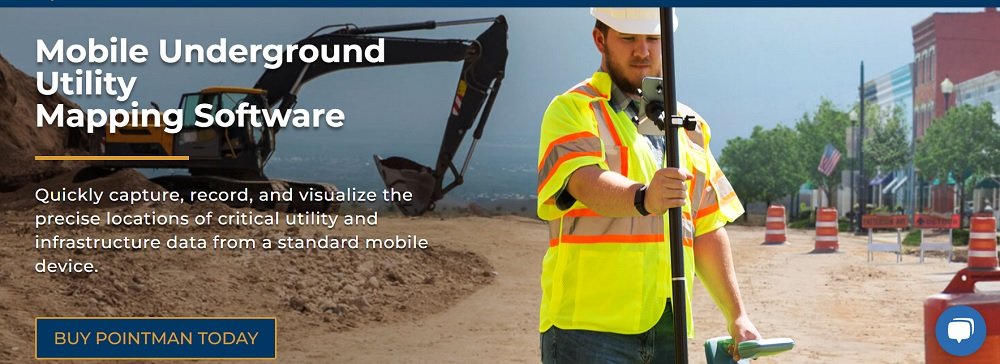
Excavation without proper analysis and planning can damage utility lines, leading to service disruptions, expensive reworks, or even accidents. Utility mapping software is used to locate the utility lines, plan the excavation works, and avoid such situations. The excavation work could include constructing a house, laying the street pavements, or subsurface utility engineering work. It is important to map underground utilities and identify the associated risks before excavating.
Utility mapping tools can help site engineers visualize the utility lines to better plan the excavation. It reduces excavation risks, increases operational efficiency, and ensures compliance with safety regulations. This article explains how excavation companies can use utility mapping applications.
Ensure excavation safety
Safety is important in any excavation work. Striking an underground utility can lead to catastrophic consequences, such as gas leaks, explosions, and electrocutions. Underground utility mapping software helps excavation companies locate utility lines, plan digging accordingly, and reduce the risk of accidents. It also reduces the possibility of accidental utility strikes and ensures a safe excavation site.
Improve excavation accuracy
Finding the precise location of underground utilities ensures that excavation personnel can determine exactly where to dig. Relying on outdated maps or shared knowledge can be inaccurate and unreliable. It is necessary to eliminate the guesswork and depend on real-time utility data.
Utility mapping technology enables excavators to detect and map the utilities accurately. The high degree of accuracy in utility detection helps prevent excavation errors and ensures timely excavations.
For example, utility mapping uses GPR (Ground-Penetrating Radar) to detect utilities buried several feet below the surface. It helps to accurately identify the utility’s location and depth and plan the excavation efficiently. As a result, they can avoid unnecessary digging and reduce the possibility of striking utility lines.
Cost savings
Excavation works are expensive. It involves processes like site preparation, material removal, and backfilling. If excavation work goes wrong and a utility line is damaged, the company has to redo all excavation processes. It could lead to significant financial losses, repairing damaged utilities, compensating the utility companies, and project delays.
Underground utility mapping software helps excavation companies avoid these mistakes and costly repairs. It enables them to get accurate utility data and prevent utility strikes, allowing them to take a proactive approach to digging. They can focus on operations and maintenance rather than searching for utilities. This targeted approach saves time, reduces labor costs, and minimizes the environmental impact of excavation activities.
Streamlined project planning
Utility mapping plays a vital role in excavation planning. It helps create efficient project plans based on different utility parameters, such as utility location, condition, associated risks, and probability of utility rerouting.
For example, if the application shows a gas line below the planned excavation site, the project manager can change the plan or take necessary precautions. This proactive approach helps prevent delays and ensures the project stays on schedule.
In addition, utility mapping applications can be integrated with the Cloud. This integration enables data collaboration between different teams and ensures that everyone works with the most recent data, reducing the risk of errors.
Compliance with regulations
Excavation companies must comply with strict regulatory standards. They must also identify the underground utilities, collaborate with utility companies, and ensure their safety during excavation. Failure to adhere to these regulations can result in heavy fines, legal action, and reputational damage.
Utility mapping software enable excavation companies to comply with different regulatory policies. They provide accurate and verifiable utility data to demonstrate due diligence in complying with regulatory requirements and avoiding legal issues. The built-in reporting feature enables excavation companies to generate utility reports. These reports can be submitted to regulatory authorities to stay compliant with regulatory standards.
Environmental protection
Excavation activities can significantly impact the environment, specifically if they accidentally release hazardous materials from damaged utilities. Utility mapping applications help excavation companies minimize their environmental footprint by preventing utility strikes and reducing unnecessary digging.
The application accurately identifies the location of utilities, enabling excavation companies to work more efficiently and with less disruption to the surrounding environment. It protects the environment and aligns with the growing demand for sustainable construction practices.
PointMan: The ideal utility mapping software for excavation companies
Incorporating a utility mapping tool like PointMan into excavation workflows is necessary to improve efficiency, safety, and accuracy. Excavation companies can precisely locate underground utilities and minimize the risk of damaging utility infrastructure. The advanced mapping capabilities enable accurate utility location and documentation, ensuring that all necessary steps are taken to protect underground assets. They can also get real-time utility data to reduce costly delays and repairs and enhance on-site safety.
PointMan’s user-friendly interface and integration capabilities make it an ideal choice for streamlining excavation projects. This technology ensures companies can confidently manage complex sites while adhering to industry standards. Embracing it empowers excavation companies to operate more effectively and protect valuable underground assets.