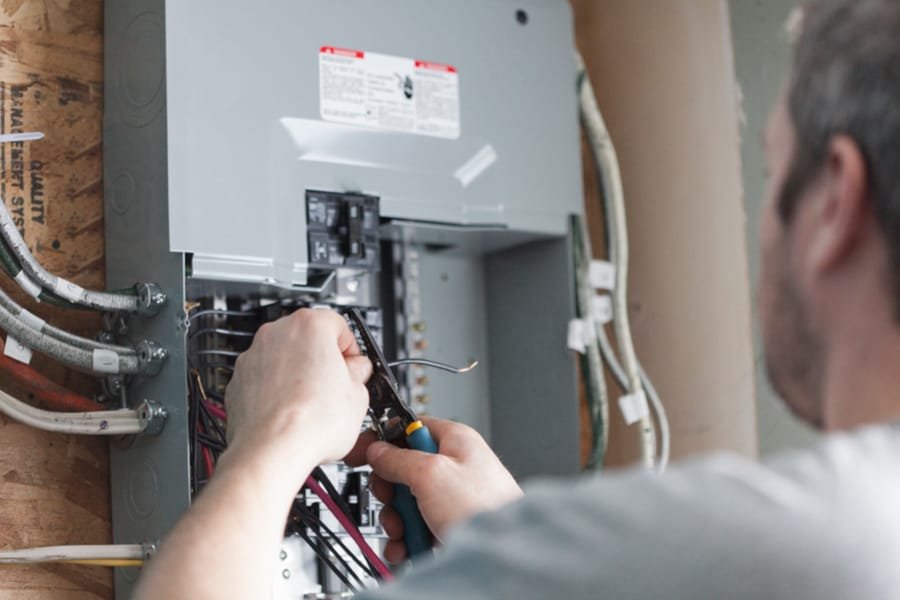
Ensuring code compliance is one of the most essential aspects of residential electrical work. Homes depend on safe, properly installed wiring to power modern appliances, lighting systems, HVAC equipment, and an increasing number of devices. Electrical codes exist to prevent hazards such as fire, electrocution, short circuits, and system overloads. Because of the risks involved, electricians must treat code compliance as a foundational part of their work—not an optional step. Every inspection, installation, and repair must follow a strict set of national and local guidelines designed to protect the home and everyone living in it.
Compliance is more than simply following rules; it is an ongoing commitment to safety and quality. Electrical standards evolve as new technologies emerge and better safety research becomes available. This means electricians must continually update their knowledge to ensure the systems they install today reflect the most current safety expectations. Whether working on new construction, remodeling projects, or aging electrical systems that require upgrades, electricians must evaluate each component of the wiring system carefully to determine whether it meets the applicable code requirements.
1. Understanding the Purpose of Electrical Codes
The first step in ensuring compliance is understanding why electrical codes exist. These standards are not arbitrary—they are designed based on decades of safety research, fire incident data, and electrical performance requirements. Codes outline where outlets should be placed, how grounding must be installed, what type of wiring can be used, and how circuits should be distributed. Electricians rely on these guidelines to design systems that support consistent power flow without creating dangerous conditions. By following them, they help ensure that homes remain safe and functional for decades.
Electrical codes also serve another important purpose: consistency. When electricians follow the same standards across projects, inspectors, contractors, and homeowners can trust that the system will perform predictably. This uniformity also helps streamline inspections and reduce the likelihood of wiring failures. As technology continues to evolve, codes help bridge the gap between new electrical demands and older infrastructure, ensuring that systems remain compatible and safe.
2. Conducting an Initial Residential Electrical Assessment
Before beginning any project, electricians examine the existing wiring to identify potential hazards and determine what needs to be updated. This assessment may include reviewing the electrical panel, identifying outdated wiring types, checking grounding paths, and examining areas where new circuits may be required. Older homes often contain wiring systems that no longer meet current safety requirements, making this step critical.
The evaluation also helps electricians design improvements that integrate smoothly with the home’s current infrastructure. By identifying problems early, electricians can plan upgrades that address safety concerns while ensuring the home can support additional loads or new appliances. This initial assessment provides the foundation for all subsequent work and ensures that compliance is built into the project from the start.
3. Planning the Wiring Layout According to Code
Once the assessment is complete, electricians begin planning the electrical layout. This phase involves determining the number of outlets required in each room, where lighting fixtures will be placed, and how circuits will be distributed throughout the home. Electrical codes specify spacing for outlets, the type of wiring required in kitchens and bathrooms, and the protective devices needed in moisture-prone areas.
During planning, electricians must also consider electrical load distribution. They determine which circuits require dedicated breakers and which ones can support multiple devices. Because code compliance is strict in kitchens, laundry rooms, and basements, these areas receive special attention. A well-planned wiring layout ensures that electrical loads are balanced and that all components meet safety requirements from the beginning.
4. Choosing Code-Approved Electrical Components
Material selection is another essential part of ensuring compliance. Electricians must use approved wiring types, outlets, breakers, conduits, and protective devices. Using improper or uncertified materials increases the risk of failure and can result in failed inspections. During this phase, electricians draw on their knowledge of updated code requirements to choose components that meet the highest safety standards. Many homeowners trust an experienced electric company like Edison Electric. Inc to choose materials that comply fully with residential electrical codes.
Different areas of the home may require specific components. For example, wiring in bathrooms and kitchens must withstand moisture exposure, while certain circuits require arc-fault or ground-fault protection. Electricians recognize these differences and ensure the right materials are installed in every part of the home. This careful selection process creates a strong foundation for long-term reliability.
5. Installing Wiring According to Code Specifications
The installation phase is where the electrical system begins to take shape. Electricians must follow precise code rules governing wire placement, grounding, conduit protection, and breaker organization. Wires must be secured correctly within walls, routed away from heat sources, and protected where physical damage could occur. Connections must be tight and corrosion-resistant, and junction boxes must remain accessible.
Electrical panels receive particular attention during installation. Circuits must be labeled properly, grounding must be continuous, and breakers must match the load requirements. Even small installation errors can lead to safety hazards or performance issues. Electricians use their training to ensure that each step aligns with code requirements, resulting in a system that performs safely and reliably.
6. Testing the System for Code Compliance
After installation, electricians must test the wiring to verify that it meets all safety standards. This step includes checking voltage, confirming proper grounding, testing circuit response, and ensuring breakers trip correctly. Electricians use specialized tools to detect wiring faults, confirm polarity, and verify continuity. These tests help identify issues that might not be visible during installation.
Testing is also required before an official inspection can occur. By thoroughly reviewing their work, electricians reduce the likelihood of inspection failures and ensure the system is safe for use. This verification process is a crucial last step in achieving full code compliance.
7. Coordinating with Inspectors for Final Approval
Once testing is complete, electricians work with local building inspectors to obtain approval. Inspectors review wiring routes, panel organization, grounding methods, outlet spacing, and adherence to all applicable requirements. Electricians answer questions, provide access to critical points within the system, and make necessary adjustments if something does not meet code. Collaboration with inspectors ensures that every component complies with both local and national standards.
Inspections protect homeowners by verifying that the system meets all safety rules. Passing inspection is required before walls can be closed, renovations can proceed, or a system can be energized permanently. Electricians understand the inspection process thoroughly and prepare their work to meet these expectations.
Conclusion
Electricians play a vital role in ensuring that residential wiring is safe, functional, and fully compliant with electrical code. Their work spans initial assessment, detailed planning, careful material selection, expert installation, and thorough testing. By following established safety standards, electricians protect homes from hazards and ensure that electrical systems can support modern demands reliably.
Code compliance is not a single step but a comprehensive process that requires knowledge, precision, and ongoing education. As technology evolves and electrical systems become more complex, electricians remain the first line of defense against hazards. Their expertise ensures that families can rely on safe electrical systems built to last and designed to meet today’s safety requirements