Introduction
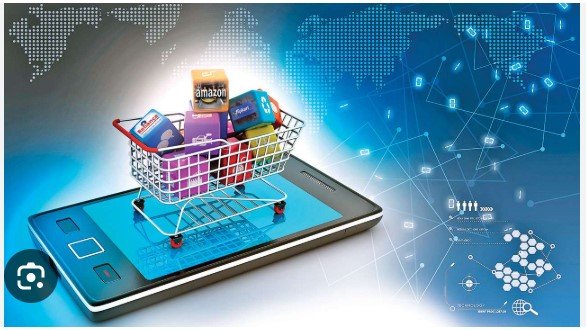
E-commerce has transformed the way consumers interact with retail, making shopping more convenient, accessible, and personalized. With digital marketplaces, customers can browse, compare, and purchase products from anywhere in the world, breaking the traditional constraints of physical stores. This transformation has significantly influenced shopping habits, marketing strategies, and business operations.
Lifestyle and fashion accessories have particularly benefited from this digital revolution. Items such as a makeup pouch, which combine practicality with style, have seen increased visibility and sales through online platforms. Consumers can now access a wide range of products, compare features, and make purchases that suit their preferences and lifestyle.
The Rise of Online Shopping
Technological advancements, widespread internet access, and mobile device adoption have fueled the rapid growth of e-commerce. Online shopping offers consumers a level of convenience that traditional retail cannot match, allowing them to shop at any time and from any location.
Small and medium-sized businesses have leveraged this trend to expand their reach. Opening an online store is often more cost-effective than establishing a physical location, and it allows brands to connect with a global audience. Platforms such as Shopify, WooCommerce, and Magento provide tools to manage inventory, process secure payments, and create engaging marketing campaigns.
For example, a business specializing in makeup pouches can sell its products to customers across different regions, offering detailed product descriptions, high-quality images, and customer reviews that help build trust and improve purchasing confidence.
Personalization in E-Commerce
One of the most significant advantages of e-commerce is the ability to offer personalized experiences. By analyzing user behavior, browsing patterns, and previous purchases, retailers can provide tailored product recommendations. Personalization increases engagement, fosters customer loyalty, and encourages repeat purchases.
A shopper browsing beauty or travel accessories online may be suggested a makeup pouch that complements their preferences in color, size, or material. Tailored suggestions make the shopping experience more efficient and enjoyable, while exposing consumers to products they may not have discovered otherwise. This strategy also helps businesses increase sales and customer satisfaction.
The Role of Social Media
Social media platforms have become essential for driving e-commerce success. Channels such as Instagram, TikTok, Facebook, and Pinterest enable brands to showcase products, highlight trends, and interact directly with consumers. Influencer marketing is particularly effective in promoting products and boosting visibility.
Beauty influencers often feature products like makeup pouches, demonstrating their functionality, style, and practicality. Followers engage with these posts, explore the featured products, and often make purchases through integrated shopping options. Social media creates a seamless path from discovery to purchase, enhancing brand engagement and customer experience.
Efficient Logistics and Delivery
Timely and reliable delivery is critical for e-commerce businesses. Consumers expect fast shipping, real-time tracking, and simple return processes. Retailers invest in optimized supply chains, automated warehouses, and advanced inventory management systems to meet these expectations.
Products such as makeup pouches, often purchased for daily use, travel, or gifting, require reliable delivery services. Offering next-day or same-day shipping can significantly improve customer satisfaction and encourage repeat purchases. Conversely, delayed deliveries or errors can harm brand reputation and reduce loyalty.
Challenges in the E-Commerce Industry
Despite its many advantages, e-commerce presents certain challenges. Cybersecurity risks, including data breaches and fraudulent makeup pouch transactions, are ongoing concerns. Retailers must implement secure systems to protect customer information and ensure safe online transactions.
Competition in the online marketplace is also intense. With thousands of stores available, businesses must differentiate themselves through unique offerings, high-quality products, and compelling marketing strategies. For instance, a brand selling makeup pouches may emphasize features like durable materials, multiple compartments, or compact designs to attract customers.
Sustainability is increasingly important to consumers. The growth of e-commerce has resulted in more packaging waste and higher carbon emissions from delivery logistics. Brands adopting eco-friendly packaging, sustainable sourcing, and carbon-neutral shipping are more likely to appeal to environmentally conscious shoppers.
Emerging Trends in E-Commerce
The e-commerce industry continues to evolve with technological advancements and changing consumer expectations. Artificial intelligence (AI) and machine learning are improving personalization, predicting consumer preferences, and optimizing inventory management. Virtual and augmented reality technologies allow shoppers to interact with products digitally, for example, visualizing the size and compartments of a makeup pouch before purchase.
Voice commerce is also gaining traction, allowing consumers to place orders via smart devices using simple voice commands. Blockchain technology is being explored to enhance transparency and security in online transactions, building trust between consumers and sellers.
Even niche products like makeup pouches benefit from these innovations. Brands can reach wider audiences, provide interactive shopping experiences, and offer personalized recommendations that increase engagement, loyalty, and overall satisfaction.
The Future of Online Retail
The future of e-commerce is filled with opportunities for growth and innovation. Mobile commerce will continue to dominate as more consumers rely on smartphones and tablets for shopping. AI-driven personalization will further enhance the shopping experience, offering relevant products such as makeup pouches even before consumers actively search for them.
Sustainability and ethical practices will play an increasingly important role in consumer decision-making. Retailers adopting environmentally responsible packaging, carbon-neutral shipping, and sustainable supply chains will gain a competitive advantage. Companies that combine quality, innovation, and customer-centric strategies are poised to succeed in the rapidly evolving digital marketplace.
Products like makeup pouches, which blend practicality with style, will continue to see strong demand. E-commerce allows brands to reach consumers seeking convenience, fashion, and quality, ensuring continued growth and long-term market relevance.
Conclusion
E-commerce has fundamentally reshaped the retail landscape by providing convenience, personalization, and global accessibility. It offers opportunities for businesses of all sizes while giving consumers access to a wider variety of products than ever before.
From everyday beauty accessories to specialized items like makeup pouches, online shopping has redefined how consumers discover, evaluate, and purchase products. Brands that embrace technology, understand customer behavior, and provide exceptional shopping experiences are well-positioned to thrive in this evolving industry.
As e-commerce continues to grow, it will further transform retail, offering consumers unparalleled convenience and enabling businesses to expand beyond traditional boundaries. Digital marketplaces have become a vital part of modern shopping, shaping the future of retail.