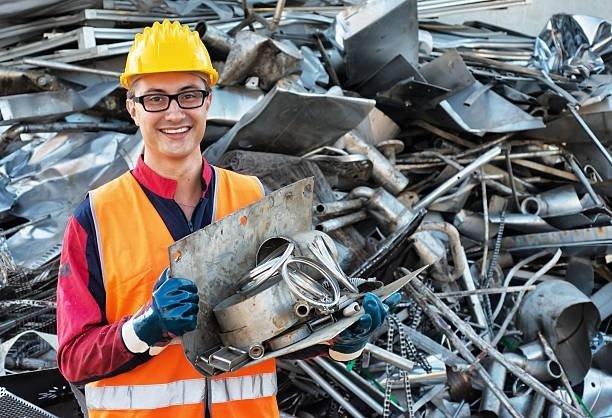
Scrap metal recycling plays a crucial role in reducing the environmental impact of metal production and disposal. Metal recycling is a method, which besides the use of metals, also saves the environment from depletion and helps in the conservation of energy and lower emissions to air and water. The backward trend is changing rapidly at Melvindale Scrap Metal Recycling with the growing business clients and households aware of the environmental benefits of recycling. Here’s how scrap metal recycling contributes to a cleaner, healthier planet.
1. Conserving Natural Resources
The process of mining and extracting metal ores from the planet is a highly resource-hungry process that exhausts the kinds which are of precious value on Earth. The extensive processing of ores from metals like aluminum, copper, and steel can lead to the rise of air and water pollution as well as the destruction of forest ecosystems. Recycling metal scraps means we need this new raw material. Melvindale scrap metal recycling positively deals with the recycling of metals, including reuse and therefore extends the life cycle of these materials. Recycling metals like steel, aluminum, and copper can help us cut the mining activity sharply, which in turn means the preservation of these resources for the future generation. What is more, this not only decreases the damaging impact caused by the extraction process but also makes recycling a sustainable way for protecting the resources of the Earth.
2. Saving Energy
Processing new metals takes a lot of energy. Mining and refining the raw ores take excessive amounts of electricity, which is produced largely from fossil fuels, thus adding to greenhouse gas emissions. For the case in point, bauxite is the main aluminum ore which is obtained through the very energy-demanding process of mining, baked alumina at a temperature above 1000C, and hence wastes around 90% of the cost of energy that is put into it. On the contrary, aluminum scrap processing takes a lower percentage of energy than that of producing a new metal from ores.
3. Decreasing Greenhouse Gas Emissions
Along with conserving energy, scrap metal recycling also helps to reduce the greenhouse gas emissions that are so harmful. Conventional metal production methods belch out huge amounts of carbon dioxide and other pollutants into the air, thus contributing to global warming. The impact of production on the environment is limited and emissions are largely reduced due to the recycling of metals.
Take for instance, Melvindale scrap metal recycling, which is a local processor of scrap metals that promotes greenhouse gas emission reduction. By recycling scrap metals locally, the company cuts down on the carbon footprint associated with the transport and industrial production. By decreasing the requirement for the whole smelting process, which is a significant source of pollution, recycling metals creates a cleaner environment. Emissions that are considered dangerous to the environment are lessened by our actions, such that we reuse metals and avoid new production activities.
4. Economic Development
The growing disposal of waste in landfills has a negative effect on the environment. Landfills are becoming less attractive because of the long-term impact metals like steel and aluminum create in addition to the space taken from other types of waste and the potential harm done to the soil and groundwater. In the case of metal objects, when these kinds of products are wrongly thrown away, they go to landfills and contribute to environmental damage. The Melvindale scrap metal recycling initiative works hand in hand with this by keeping scrap metals out of landfills. Instead of being buried as waste, metals will be collected, processed, and reused.
5. Stimulating Sustainable Manufacturing
Scrap metal recycling is another drive towards a more sustainable resource management system in the manufacturing sector. A lot of companies even have turned to purchasing fresh materials from recycled metal banks which are used to fabricate everything starting from vehicles to home appliances and construction materials. Particularly, the movement to recycled metals means that the manufacturing process will be friendlier to the environment and less new raw materials will be needed.
6. The Well-being of Local Community
The acceptance of scrap metal recycling which reduces the environmental impact of the project besides the lifetime reach to communities and the quality of collector to rotational jobs. By joining Melvindale, local residents as well as businesses can contribute to the cleaning up of the environment as well as steer the wheel of the circular economy. Metals recycling propagates local jobs starting from picking and processing to sales and distribution.
Conclusion
The waste disposal of scrap metal has many environmental benefits that are visible. From the storage of metallic items and energy conservation to waste minimization and the emission of greenhouse gases, the practice of scrap metal recycling has been the most proper one in aiding keeping a planet healthy and safe. Melvindale scrap metal recycling has set an example by being the forward-looking implementation of the recycling program, of which accessibility, efficiency, and the fact that it is eco-friendly are the main aspects. Whether you are a business person or a member of society, recycling scrap metal provides you with both the environmental benefits and social gains such as jobs, pollution reduction, and a more sustainable economy for your children.