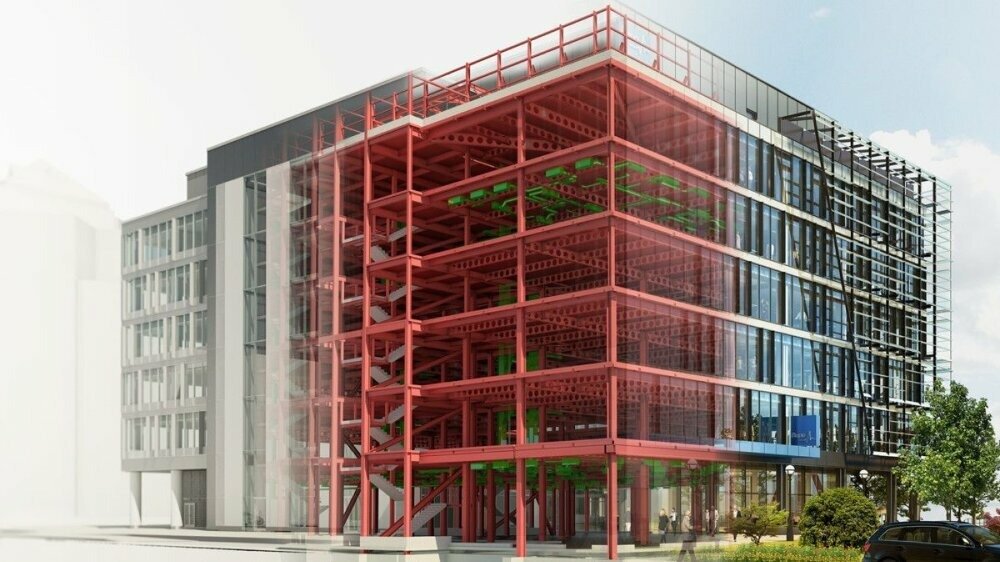
Sustainability is no longer a trend in construction-it is a necessity. Across the USA, builders and architects are turning to BIM modeling services to create smarter, greener, and more efficient projects. This technology helps you see a project digitally before the first brick is laid. You can test ideas, track materials, and plan energy use in one platform. It gives you control over cost, design, and environmental impact.
BIM allows you to make informed choices early, reducing waste and saving valuable time. It also supports collaboration between teams, which means fewer errors and smoother construction processes. As a result, the U.S. construction industry is becoming more sustainable with every project that adopts BIM.
If you want to know how this technology is shaping the future of green construction in the USA, stay with us-let’s get started and explore this in detail.
Understanding BIM and Its Role in Modern Construction
BIM, or Building Information Modeling, is changing how construction projects come to life. It allows architects, engineers, and contractors to create a single 3D model that holds every detail of a building. This shared model helps teams work together better, make faster decisions, and avoid costly mistakes on-site.
BIM is more than a digital design tool. It connects design, planning, and construction under one system. Every team member can view updates in real time, track changes, and plan each stage with accuracy. This collaboration cuts down rework, saves materials, and keeps projects on schedule.
The technology also helps predict energy use, material needs, and maintenance plans even before construction starts. It supports sustainability goals by reducing waste and helping teams design greener buildings.
As per the report from Transparency Market Research, the global Building Information Modeling (BIM) market is projected to grow at a CAGR of 11.2% from 2025 to 2035 and cross US$ 26.0 billion by the end of 2035. This growth shows how essential BIM has become in shaping modern, efficient, and sustainable construction projects, especially across the USA.
The Connection Between BIM and Sustainability
BIM and sustainability share a strong link in shaping how buildings are designed and built in the USA. BIM helps architects and engineers see how each choice affects the environment. With digital 3D models, teams can test designs, compare materials, and plan energy-efficient layouts before construction starts.
This approach reduces waste and saves both time and resources. Designers can use BIM tools to analyze sunlight, airflow, and insulation. These insights help create buildings that use less power and rely on renewable energy sources.
BIM also improves material accuracy. Builders know exactly what to order, which cuts down waste at the site. Teams can track the carbon footprint of materials and select eco-friendly options.
By linking data from design to operation, BIM supports sustainable goals throughout a building’s life. Maintenance teams can use the same model to manage energy systems and detect inefficiencies early.
BIM is not just a design tool-it is a bridge to a greener construction process. Across the USA, many companies now use BIM to build smarter, reduce waste, and meet strict sustainability standards.
Key Ways BIM Supports Sustainable Construction in the USA
BIM helps construction teams in the USA build smarter and greener structures. It improves design accuracy, saves resources, and cuts waste. Builders can test ideas before construction begins, reducing costly mistakes.
BIM allows energy modeling to plan lighting, ventilation, and insulation for better performance. It supports the use of eco-friendly materials and tracks their impact on the environment. With clear data, teams can make quick and informed design choices that lower carbon emissions.
Clash detection helps avoid material waste by spotting conflicts early. BIM also supports accurate cost and quantity estimates, so companies buy only what they need. This process limits resource waste and promotes sustainable sourcing.
Digital models stay useful after construction ends. They help manage energy use, maintenance, and building performance. Some leading BIM Solutions Provider in the USAnow help clients use BIM data to reach green goals.
By linking design, construction, and maintenance, BIM promotes a culture of responsibility and innovation. It helps the USA move toward a sustainable future while keeping projects efficient and cost-effective.
The Future of Sustainable Construction with BIM in the USA
BIM technology is changing how U.S. builders plan, design, and manage sustainable projects. It allows teams to spot problems early and reduce material waste. Builders can create models to predict energy use and carbon impact before construction starts.
Leading BIM services providers in the USA help firms adopt digital models for smarter planning. These providers offer tools to track resources, improve efficiency, and support green building standards. Projects become faster and more cost-effective while staying eco-friendly.
The future shows more integration of BIM with renewable energy solutions. Builders can add solar panels, wind systems, or energy-efficient systems directly into designs. They can simulate building performance under different conditions to choose the best solutions.
Digital twins and data-driven analysis will become standard. Construction teams can monitor buildings after completion and make improvements without major upgrades. This approach saves energy, reduces costs, and supports sustainability goals.
As the U.S. focuses on net-zero buildings, BIM adoption will rise. Builders, architects, and engineers will rely on leading BIM services providers in the USA to deliver projects that meet environmental regulations and client expectations. The future is digital, green, and efficient.
Conclusion
BIM technology helps U.S. builders create energy-efficient, cost-effective, and eco-friendly projects. It reduces material waste, improves design accuracy, and guides smarter decisions. With BIM, teams see potential issues early, saving time and resources while meeting sustainability goals.
Buildings become more efficient, safer, and easier to maintain. Next Synergy Solution is a market-leading BIM Solutions Provider in the USA, helping companies adopt this technology to build greener structures. By using BIM, construction moves toward a cleaner, smarter, and sustainable future. Businesses that embrace this approach gain both environmental and economic benefits.