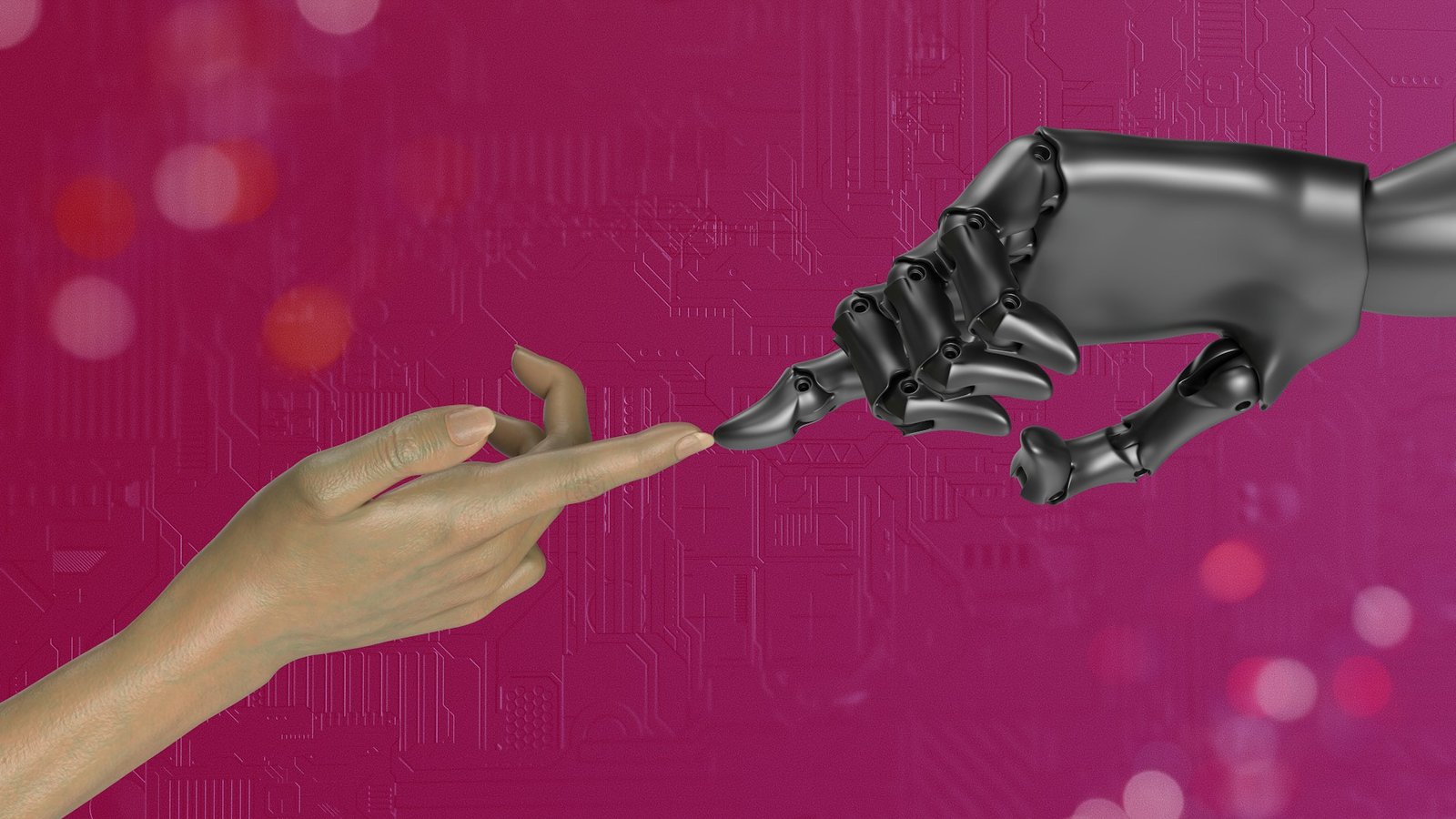
Artificial intelligence has quietly moved from the realm of science fiction into the center of everyday life. What once felt experimental or futuristic is now embedded in the systems we rely on daily, often working behind the scenes without drawing much attention. AI no longer belongs to a single industry or purpose; instead, it influences nearly every sphere of modern society. From healthcare and education to business, entertainment, and even human relationships, artificial intelligence is reshaping how we live, work, and connect with one another.
One of the most impactful spheres where AI has made a difference is healthcare. Medical professionals now rely on machine learning algorithms to analyze vast amounts of data in seconds. AI-powered tools assist in diagnosing diseases, detecting early warning signs, and recommending personalized treatment plans. Imaging technologies use AI to identify abnormalities in X-rays and MRIs with remarkable accuracy, often catching issues earlier than traditional methods. Beyond diagnostics, AI also plays a crucial role in drug discovery, speeding up research that once took years. For patients, this means faster diagnoses, improved outcomes, and more efficient healthcare systems overall.
Education is another area undergoing a quiet transformation. Traditional classrooms have long struggled to address individual learning needs, but AI is helping bridge that gap. Intelligent learning platforms adapt content based on a student’s progress, strengths, and weaknesses, allowing for a more personalized learning experience. Virtual tutors can provide instant feedback, while AI-driven analytics help teachers identify students who may need extra support. Administrative tasks like grading and scheduling are increasingly automated, freeing educators to focus more on teaching and mentorship rather than paperwork.
In the business world, AI has become an essential strategic tool. Companies use AI to analyze consumer behavior, forecast market trends, and optimize supply chains. Customer service has been revolutionized by AI chatbots that operate around the clock, providing instant assistance and reducing response times. In finance and accounting, AI systems detect anomalies that may indicate fraud, manage risk more effectively, and assist with financial planning. Rather than replacing human workers outright, AI often enhances productivity by handling repetitive tasks, allowing employees to focus on creativity, strategy, and decision-making.
The financial sector itself has been profoundly influenced by artificial intelligence. Banks and financial institutions use AI to assess credit risk, detect fraudulent transactions, and provide personalized financial advice. Robo-advisors help individuals invest wisely based on their goals and risk tolerance, making financial planning more accessible to people who might not have access to traditional advisors. AI-driven systems monitor transactions in real time, identifying suspicious activity before it escalates into major losses. This combination of speed and accuracy has made financial systems both more efficient and more secure.
E-commerce and retail have also been reshaped by AI-driven personalization. Online platforms analyze browsing behavior, purchase history, and user preferences to recommend products with uncanny accuracy. Inventory management systems predict demand and reduce waste, while dynamic pricing algorithms adjust prices based on market conditions. Even logistics and delivery have been optimized through AI-powered route planning and warehouse automation. The result is a shopping experience that feels faster, more intuitive, and increasingly tailored to individual consumers.
Entertainment and media are heavily influenced by artificial intelligence as well. Streaming platforms rely on AI algorithms to recommend movies, shows, and music based on personal tastes and viewing habits. In gaming, AI-controlled characters adapt to player behavior, creating more immersive and dynamic experiences. Content creation itself is evolving, with AI assisting in video editing, music composition, and visual effects. While debates continue about creativity and originality, there is no denying that AI has expanded the possibilities within the creative industries.
Transportation and urban planning represent another critical sphere of AI adoption. Navigation apps use AI to analyze traffic patterns in real time, helping drivers avoid congestion and reduce travel time. Airlines use AI to optimize flight routes and improve fuel efficiency, while logistics companies rely on machine learning to streamline deliveries. Autonomous vehicle technology, although still evolving, promises to redefine mobility by improving road safety and accessibility. On a larger scale, cities use AI to manage traffic lights, public transportation systems, and energy consumption more efficiently.
Perhaps one of the most intriguing and sensitive areas of AI influence is human relationships. Dating apps, social platforms, and communication tools increasingly rely on AI to match people based on interests, behaviors, and compatibility metrics. Trust and authenticity have become major concerns in online interactions, and AI-based verification tools are stepping in to address them. For example, technologies like face search are used to verify identities and reduce the risk of fake profiles, helping users feel safer and more confident when forming digital connections. AI also plays a role in analyzing communication patterns, offering insights into emotional tone and relationship dynamics. While this raises ethical questions, it also highlights how deeply AI has entered the personal side of human life.
Security and cybersecurity are additional areas where AI plays a vital role. AI systems monitor networks continuously, identifying unusual activity that could signal a cyberattack. In physical security, AI-powered surveillance helps detect threats, recognize patterns, and respond more quickly to emergencies. Although these technologies raise concerns about privacy and oversight, they have become indispensable tools in an increasingly digital and interconnected world.
In conclusion, artificial intelligence is not confined to a single domain or purpose. It is a multifaceted force shaping nearly every aspect of modern life, often in subtle but powerful ways. From improving healthcare outcomes and personalizing education to transforming business operations and redefining relationships, AI has become an integral part of society. As technology continues to evolve, the challenge will be ensuring that AI is used responsibly, ethically, and in ways that enhance human potential rather than diminish it. The future of AI is not about replacing people, but about creating smarter systems that work alongside us to build a more efficient, connected, and resilient world.