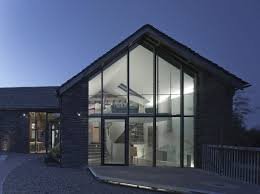
Thinking about expanding your home? A well-designed house extension can completely transform the way you live — giving you more space, better flow, and a home that feels tailor-made for your lifestyle. Whether you’re dreaming of a larger kitchen, an extra bedroom, a brighter living area, or a dedicated workspace, great design makes all the difference.
Here’s how to approach house extension design with confidence and creativity.
Start With Your Purpose and Lifestyle
Before diving into sketches and materials, ask yourself: What problem is this extension solving?
Homeowners often extend because they need:
- More space for a growing family
- A bigger, open-plan kitchen/diner
- A quiet home office
- Extra natural light
- A multifunctional living area
- Added property value
Knowing the “why” behind your project helps shape the entire design so it serves your needs now and in the future.
Choose an Extension Style That Fits Your Home
Extensions come in many forms, and the best choice depends on your property layout, local planning rules, and the look you want to achieve.
Popular house extension styles include:
- Rear extensions: Ideal for expanding kitchens or creating open-plan living spaces.
- Side-return extensions: Perfect for terraced or semi-detached homes with unused side space.
- Wrap-around extensions: Combine rear + side for a dramatic, modern transformation.
- Double-storey extensions: Add significant space and value without sacrificing much garden.
- Loft and dormer extensions: Create extra bedrooms or offices while maximizing vertical space.
Each style comes with unique benefits — but the right design should blend naturally with your existing architecture while improving functionality.
Let Natural Light Lead the Design
Light is one of the most powerful tools in creating beautiful, spacious homes. Consider incorporating:
- Skylights or roof lanterns
- Large sliding or bi-folding glass doors
- Floor-to-ceiling windows
- Light wells in deeper layouts
- Glass corner features for a modern touch
Even a modest extension can feel expansive when it’s filled with natural light.
Prioritize Smart Interior Layouts
A house extension isn’t just about adding square footage — it’s about making your entire home flow better.
Think about:
- How the new space connects to existing rooms
- Traffic flow and movement
- Areas where natural light will fall
- Placement of furniture, storage, and appliances
- Keeping open-plan areas functional, not empty
Great design ensures the new space feels intentional, practical, and inviting.
Blend Aesthetics and Practicality
The best extensions balance beauty with everyday usability. Consider:
- Hard-wearing flooring for busy family areas
- Noise-reducing materials (especially for home offices or bedrooms)
- Energy-efficient glazing and insulation
- Stylish yet durable finishes
- Hidden storage solutions
- Thoughtful lighting layers: ambient, task, and accent
This mix keeps the space looking stunning while staying fit for real life.
Don’t Forget Planning Permission and Building Regulations
Depending on the size and design of your extension, you may need planning permission. Even when you don’t, building regulations still apply.
A good designer or architect ensures:
- Structural safety
- Proper insulation
- Safe electrical and plumbing systems
- Compliance with local rules
- Efficient use of space and materials
This saves you from delays, fines, or costly redo work.
Adding Value to Your Home
A well-designed house extension doesn’t just create more room — it increases property value. Features that boost value include:
- Open-plan kitchen/living spaces
- Additional bedrooms
- High-quality glazing
- Energy-efficient upgrades
- Modern finishes and fixtures
It’s smart to design with both current comfort and future resale appeal in mind.
Final Thoughts
A house extension is one of the most rewarding home improvements you can make. With thoughtful design, practical planning, and a vision that reflects your lifestyle, you can create a space that feels brand new — without ever having to move.
