
Kitchen ventilation is essential for maintaining air quality, removing cooking odors, and preventing grease buildup. Yet, when it comes to installing a range hood, homeowners often rely on outdated advice or common misconceptions that can compromise performance. The internet is filled with conflicting information about how high to mount your hood, where exactly it should sit, and what makes for effective ventilation. These myths can lead to poor cooking experiences, wasted energy, and even safety concerns. Understanding the truth behind hood placement isn’t just about following installation guidelines—it’s about creating a kitchen environment that works efficiently for your specific cooking habits and space. This article cuts through the confusion by debunking the most persistent myths about vent hood placement and providing evidence-based guidance. Whether you’re renovating your kitchen or simply questioning your current setup, knowing the facts will help you make informed decisions that improve both functionality and comfort in your cooking space.
Understanding the Importance of Proper Vent Hood Placement
Myth 1: The height should be 24 inches above the stove
The widespread belief that all range hoods should sit exactly 24 inches above the cooktop is an oversimplification that ignores critical variables. While this measurement appears in some installation guides, it’s not a universal standard. The optimal mounting height actually depends on your hood type and fuel source. Electric cooktops typically allow hoods to be mounted between 18 to 24 inches above the surface, while gas ranges require 24 to 30 inches due to open flames and higher heat output. Professional-grade ranges with high BTU burners may need even greater clearance. Wall-mounted hoods have different requirements than island hoods, which need to hang slightly lower since they lack a wall to help contain rising air. The key is consulting your specific hood’s installation manual, which provides manufacturer-tested clearances based on the unit’s capture area and CFM rating. Installing too close can create fire hazards and damage the hood’s components, while mounting too high reduces capture efficiency. Rather than following a single magic number, measure based on your equipment combination and manufacturer specifications to achieve both safety and performance.
Myth 2: The vent hood should be directly above the stove
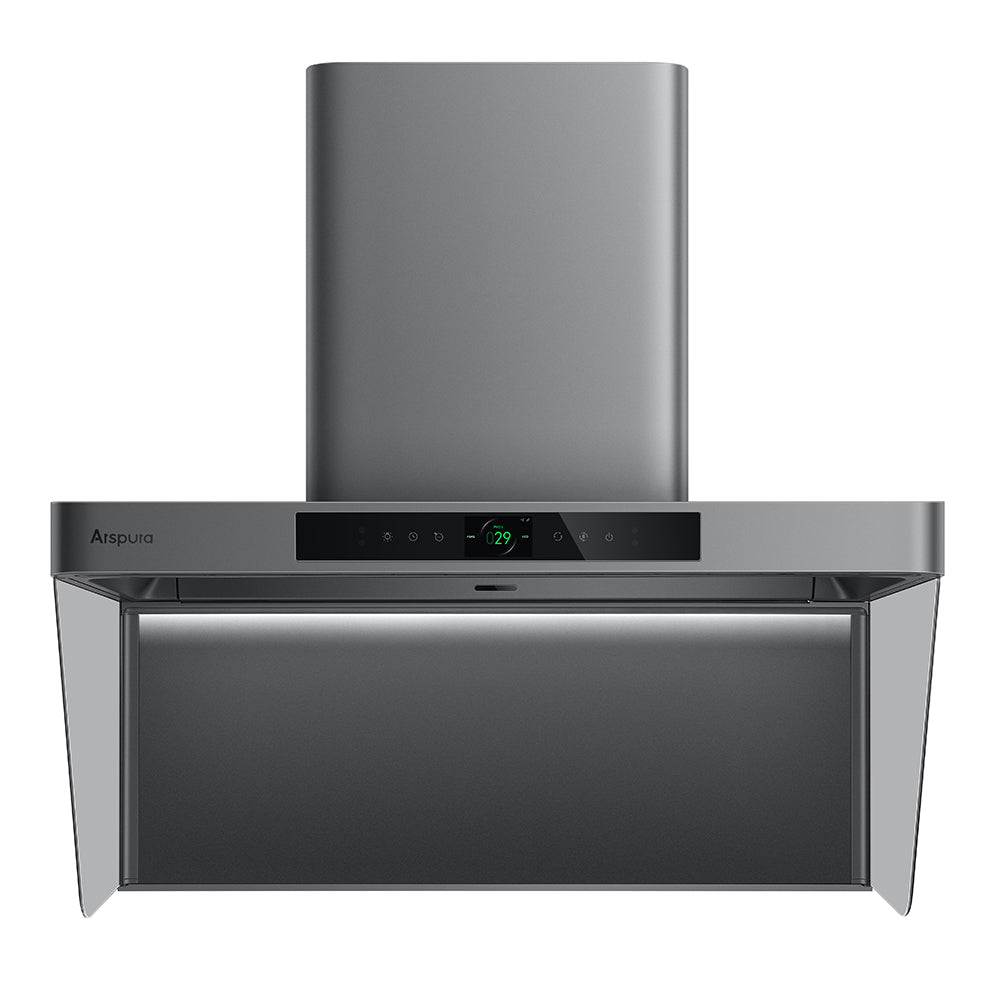
Many assume the hood must be perfectly centered over the cooktop, but effective ventilation depends more on coverage than exact centering. What truly matters is that the hood’s capture area extends beyond the cooking surface on all sides. A hood should be at least as wide as your cooktop, with professional recommendations suggesting it extend three to six inches beyond on each side for optimal capture. If your hood is slightly off-center but still provides complete coverage, it will ventilate effectively. This becomes especially relevant in kitchen renovations where structural elements like beams or ductwork paths may prevent perfect alignment. The physics of rising heat and steam create a plume that spreads as it rises, so adequate width matters more than pinpoint centering. However, significant offset placement—where one side of the cooktop extends well beyond the hood’s edge—will allow cooking byproducts to escape into your kitchen. When planning placement, prioritize ensuring all burners fall within the hood’s footprint rather than obsessing over symmetrical positioning. For island installations where aesthetics matter more, you can achieve both function and visual balance by choosing a hood sized generously enough to accommodate slight adjustments.
Myth 3: Higher is better for kitchen ventilation
The assumption that mounting your hood higher improves ventilation contradicts basic airflow principles. As cooking vapors, smoke, and grease particles rise from your cooktop, they disperse and cool, forming a wider plume the farther they travel. A hood mounted too high must work significantly harder to capture this dispersed air, and much of it will escape into your kitchen before reaching the intake. Research shows that capture efficiency drops dramatically with each inch of additional height beyond recommended ranges. The inverse square law means that doubling the distance reduces capture effectiveness by roughly four times. Higher placement also increases the noise level since the fan must run at higher speeds to compensate for reduced efficiency, while energy consumption rises proportionally. Some homeowners raise their hoods to gain headroom or improve sightlines, but this trades functionality for convenience. If you’re tall and concerned about clearance, choose a hood design with a higher profile or consider professional-grade options engineered for specific mounting heights. The most efficient setup places the hood at the minimum safe distance for your cooking equipment, maximizing capture while minimizing energy use and noise.
Factors to Consider for Optimal Placement
Airflow Performance
The effectiveness of your range hood depends on matching its airflow capacity to your cooking habits and kitchen size. CFM (cubic feet per minute) ratings indicate how much air the hood can move, but this number means little without proper placement. A powerful 900 CFM hood mounted too high performs worse than a 400 CFM unit at the correct height. Calculate your needs by considering your cooktop’s BTU output—gas ranges typically require 1 CFM per 100 BTUs of burner output. For electric cooktops, base calculations on cooking surface area, with minimum recommendations of 100 CFM per linear foot of range width. Ductwork configuration dramatically impacts performance, as each elbow or foot of duct reduces effective CFM. Straight, short duct runs preserve airflow capacity, while long, winding paths can reduce efficiency by thirty to forty percent. When positioning your hood, plan the duct path simultaneously to minimize turns and distance to the exterior. Consider makeup air requirements for hoods exceeding 400 CFM, as powerful ventilation can create negative pressure that affects furnace operation and door function. Test your installation by observing steam capture during boiling water—if vapor escapes the hood’s perimeter, either lower the unit or upgrade to higher CFM capacity.
Space and Layout
Your kitchen’s physical constraints and design elements significantly influence where and how high should a vent hood be installed. Cabinet configuration often dictates hood placement, especially in existing kitchens where upper cabinets frame the cooking area. Wall-mounted installations offer more flexibility than island setups, which require ceiling joists capable of supporting the hood’s weight plus ductwork. Ceiling height affects both aesthetics and function—standard eight-foot ceilings limit your options compared to nine or ten-foot spaces where you have more clearance to work within optimal ranges. Consider sightlines from adjacent rooms, as oversized island hoods can obstruct views in open-concept layouts. Structural elements like beams or load-bearing walls may prevent ideal duct routing, requiring creative solutions such as soffit construction or alternative venting paths. In galley kitchens or tight spaces, compact hood designs mounted at minimum safe distances maximize efficiency without overwhelming the room. Lighting integration matters too, as proper placement ensures your cooktop receives adequate illumination without creating shadows. When selecting ventilation solutions, home supply retailers like Arspura offer range hoods in various sizes and configurations designed for different kitchen layouts, making it easier to find options that work with your specific spatial constraints. When planning renovations, involve your ventilation decisions early in the design process rather than treating the hood as an afterthought, allowing you to optimize both ductwork paths and aesthetic integration while maintaining performance standards.
Making Informed Hood Placement Decisions
Debunking these common hood placement myths reveals that effective kitchen ventilation requires understanding your specific equipment and space rather than following generic rules. The 24-inch standard, perfect centering requirements, and the belief that higher is better all crumble under scrutiny when you consider fuel type, hood design, and airflow physics. Proper placement balances safety clearances with capture efficiency, prioritizes adequate coverage over symmetry, and positions the hood at minimum safe distances rather than maximum heights. Your decisions should account for CFM requirements matching your cooking output, ductwork efficiency, and kitchen layout constraints. By consulting manufacturer specifications, calculating your actual ventilation needs, and testing performance after installation, you create a system that removes cooking byproducts effectively while minimizing energy consumption and noise. Whether you’re installing a new hood or evaluating your current setup, applying these evidence-based principles ensures your kitchen ventilation works as intended. The result is cleaner air, reduced grease accumulation, eliminated odors, and a more comfortable cooking environment that adapts to how you actually use your kitchen rather than adhering to outdated conventions.