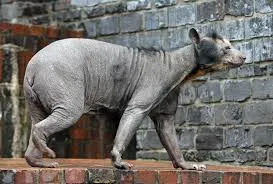
The term hairless bear often sparks curiosity, fascination, and even confusion. Bears are well-known for their thick, protective coats of fur that help them survive in diverse habitats ranging from icy mountains to dense forests. Yet, in rare cases, certain bears lose most or all of their fur, leading to the striking image of a hairless bear. This phenomenon raises important questions about animal health, genetics, the environment, and conservation.
In this complete guide, we’ll explore everything you need to know about the hairless bear — what causes it, where it has been observed, how it impacts the animal’s survival, and what humans are doing to address this unusual occurrence.
What Is a Hairless Bear?
A hairless bear is not a separate species but rather a bear that has lost its fur due to medical, genetic, or environmental reasons. While fur loss may occur in any bear species, it is most often reported in sloth bears, Andean bears, and occasionally in brown bears and black bears.
These bears can appear strikingly different from their furry counterparts. Their exposed skin looks dark, leathery, and wrinkled, making them seem almost unrecognizable. Unfortunately, the condition often indicates underlying health issues and can pose serious survival challenges.
For Causes and impacts of hairlessness on bears and also for help purpose, please the link given in below.
Causes and Impact of Hairlessness on Bears
Notable Cases of Hairless Bears
The appearance of a hairless bear has captured public attention in several documented cases across zoos and wildlife sanctuaries.
- Germany (2009): Zoos in Leipzig and Halle reported sloth bears losing their fur completely, baffling experts and attracting global attention.
- South America: A few Andean bears in captivity were observed with extreme fur loss, sparking discussions about genetic links.
- India: In certain forest regions, sloth bears affected by mange were spotted nearly bald, struggling in harsh climates.
These cases highlight the global nature of the issue and the importance of veterinary research.
Future Research and Hope
Ongoing studies aim to understand the exact causes behind recurring cases of hairless bear conditions in zoos and the wild. With better veterinary care, genetic insights, and habitat protection, the hope is to minimize such occurrences in the future.
Zoos are also improving diets, veterinary monitoring, and stress reduction programs to keep bears healthier. Meanwhile, conservationists emphasize protecting natural habitats to reduce exposure to parasites and pollutants.
Conclusion
The hairless bear is a striking example of how health, environment, and genetics can impact wildlife. While these animals may look unusual or even unsettling, they remind us of the delicate balance required to keep ecosystems healthy. By studying their condition, providing medical care, and protecting natural habitats, we can ensure that bears thrive with their iconic fur intact.
This information is gathered from different surveys, medical tests and tech giants like google, thepetchronicle and more. Our top priority is to provide you valuable information.
For More Details About the hairless bear Click Here