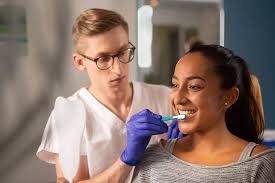
Good oral health starts with your daily habits. A Woburn dentist can play a key role in encouraging these positive hygiene practices. When you visit the dentist, you receive more than just clean teeth. You gain guidance on forming habits that help prevent cavities and gum disease. Through regular check-ups, dentists offer personalized advice tailored to your needs. This advice often includes tips on proper brushing and flossing techniques. They also explain the importance of a balanced diet in maintaining oral health. Dentists make it a point to educate patients, showing them the link between oral hygiene and overall well-being. By seeing your dentist regularly, you reinforce these habits, ensuring your smile stays healthy. Routine check-ups act as a reminder to continue with good practices. Your dentist is a partner in maintaining your oral health and overall wellness. This partnership builds a strong foundation for healthy living.
The Role of Education in Oral Health
Education is at the heart of effective dental care. Dentists use every visit as a chance to teach patients. They clarify the effects of poor oral hygiene, such as tooth decay and gum disease. They also highlight the benefits of maintaining healthy teeth. This information empowers you to make informed choices about your dental routine.
Brushing and Flossing: The Basics
Your dentist emphasizes the significance of brushing twice a day and flossing daily. Regular brushing removes plaque, a sticky film of bacteria, from your teeth. Flossing cleans between your teeth where a toothbrush cannot reach. This prevents plaque buildup that could lead to cavities.
The Impact of Diet on Oral Health
What you eat influences your oral health. Dentists advise limiting sugary snacks and drinks, as sugar fuels bacteria growth. They encourage consuming a balanced diet with plenty of fruits and vegetables. Foods high in calcium, like cheese and yogurt, support strong teeth.
The Importance of Regular Dental Check-Ups
Regular visits to the dentist are crucial. At these appointments, your dentist can detect early signs of trouble and address them before they worsen. This proactive approach saves you from more extensive treatments later. According to the Centers for Disease Control and Prevention, regular check-ups are one of the most effective ways to maintain oral health.
Dental Cleanings and Their Benefits
Professional cleanings remove tartar that brushing and flossing miss. Tartar is hardened plaque that can lead to gum disease. Cleanings also polish your teeth, making them feel smooth and look bright. This can be a motivating factor for you to maintain your oral hygiene at home.
Comparing Different Oral Hygiene Practices
| Practice | Frequency | Benefits |
|---|---|---|
| Brushing | Twice daily | Removes plaque, prevents cavities |
| Flossing | Once daily | Cleans between teeth, prevents gum disease |
| Dental Check-Ups | Every 6 months | Detects early issues, reinforces habits |
| Professional Cleaning | Every 6 months | Removes tartar, polishes teeth |
Building Long-Term Habits
Forming good habits takes time and patience. Your dentist helps you by providing tips and encouragement. They may suggest using reminders like setting an alarm for brushing or placing floss next to your toothbrush. Consistency is key to making these practices second nature.
Conclusion
General dentistry fosters positive hygiene habits through education, routine care, and support. By following your dentist’s advice, you strengthen your oral health and overall well-being. This partnership between you and your dentist creates a foundation for lifelong health.