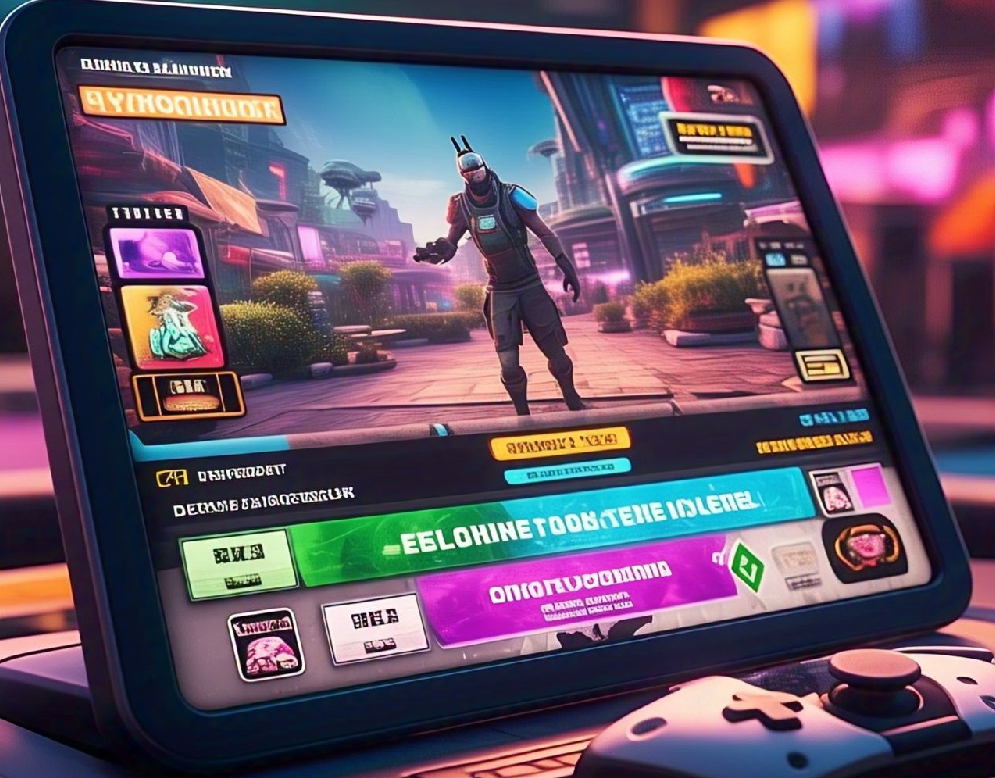
Understanding Gamification in Digital Entertainment
Gamification—the use of game-like mechanics in non-game contexts—has become a transformative strategy in the digital entertainment world. It enhances user engagement by incorporating elements such as leaderboards, challenges, point systems, and rewards. While this concept is widely adopted in industries like education and fitness, it has found notable success in gaming platforms, particularly multiplayer video games like Fortnite.
Fortnite, developed by Epic Games, has demonstrated the immense power of gamification by turning casual users into long-term, emotionally invested players. The game’s success is not merely about graphics or gameplay mechanics—it’s about how it continuously drives user engagement through smart design choices that foster competition, cooperation, and progression.
Online Casinos in the Era of Digital Competition
Online casinos operate in a highly competitive digital environment where user retention is a major challenge. As regulatory frameworks tighten and digital distractions increase, platforms must adopt innovative methods to differentiate themselves. Gamification offers a promising approach for online casinos to stand out by enhancing user experience without relying solely on traditional incentives like bonuses or jackpots.
Adopting techniques from successful games such as Fortnite can be a game-changer. For example, Fortnite’s battle pass model, where users unlock content through continued gameplay, parallels the concept of loyalty programs in online casinos. Instead of passive play, users are encouraged to engage actively to earn rewards—creating an emotional loop that drives repeated participation.
The Strategic Integration of Gamified Features
To effectively gamify online gambling, platforms must balance entertainment with responsible gaming practices. This involves integrating features that motivate play without encouraging addiction. The most successful models include:
- Level Systems: Similar to Fortnite’s experience points and player levels, online casinos can introduce tier-based systems where users unlock new features or bonuses.
- Achievement Badges: Recognizing player milestones (e.g., completing a number of spins or trying different games) adds to a sense of accomplishment.
- Missions and Quests: Daily or weekly tasks add variety and create a reason for users to return regularly.
- Leaderboards and Competitions: Friendly competition among users can foster community while keeping the gaming experience fresh.
A practical example of this evolving trend can be seen at platforms like https://www.luckywins771.com/, which have started implementing layered engagement systems that go beyond traditional gaming. These additions enhance user satisfaction and elevate the platform’s overall entertainment value.
Psychological Mechanisms Driving User Engagement
Understanding the psychology behind gamification is essential for successful implementation. Video games like Fortnite excel because they fulfill intrinsic human needs as outlined by Self-Determination Theory (SDT):
- Autonomy: Players feel they are in control of their actions.
- Competence: Success and improvement over time give a sense of mastery.
- Relatedness: Community interaction fosters belonging.
Online casinos can adopt similar psychological drivers by offering users customized experiences, skill-based games, and social features such as multiplayer tables and chat functionality. When users feel their input influences the outcome, and when they’re socially connected, they are more likely to stay engaged.
Comparing Traditional Casinos and Gamified Platforms
| Feature | Traditional Online Casinos | Gamified Platforms (e.g., Fortnite-inspired) |
| User Progression | Linear or bonus-based | Tiered levels, XP systems |
| Rewards System | Cashback or deposit bonus | Achievement-based, unlockable content |
| Social Interaction | Minimal | Integrated chats, group play |
| Repeat Engagement | Promotion-based | Mission-driven, interactive tasks |
| Personalization | Limited | High—avatars, badges, customizable features |
The shift from traditional reward structures to dynamic engagement strategies marks a major transformation in user expectations.
Potential Risks and Responsible Gaming
While gamification increases user activity, it also introduces risks if not managed properly. Adding layers of challenges and rewards may lead to prolonged gaming sessions or financial overextension. That’s why ethical design is crucial.
Strategies for responsible gamification include:
- Session Reminders: Alert users about time spent on the platform.
- Spending Limits: Allow users to set deposit or loss caps.
- Reality Checks: Periodic pop-ups encouraging breaks.
- Transparent Reward Systems: Avoiding misleading representations of potential wins.
Online platforms must design with fairness and transparency in mind, ensuring that users stay informed and in control.
Future Outlook: Beyond Entertainment
As technology advances, the lines between gaming and gambling will continue to blur. Artificial intelligence, virtual reality, and augmented reality are already influencing how content is created and consumed. Online casinos can evolve into full-scale entertainment hubs by borrowing design principles from successful games like Fortnite.
Academic interest in this convergence is growing, with research exploring behavioral economics, consumer psychology, and digital ethics. For students and scholars analyzing the digital entertainment space, gamification provides a rich field for exploration—where design choices intersect with user behavior and technological innovation.
In summary, integrating gamified features inspired by successful models such as Fortnite allows online casinos to create more immersive and sustainable user experiences. By focusing on user engagement, personalization, and responsible play, online gambling platforms can remain competitive while catering to modern digital expectations.