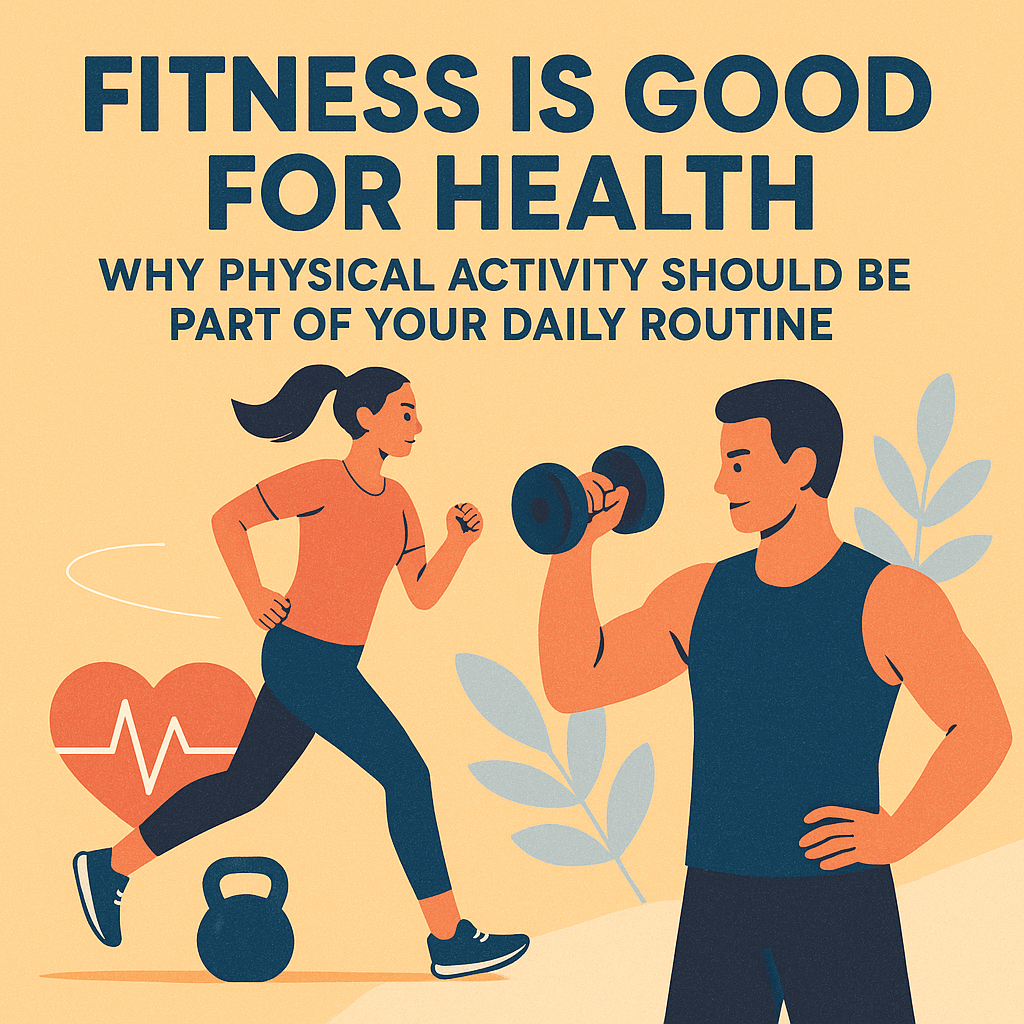
In today’s fast-paced world, it’s easy to overlook the importance of physical activity, especially when juggling work, school, and personal commitments. However, the benefits of fitness go far beyond just looking good—it plays a critical role in improving overall health and well-being. Whether it’s strength training, yoga, swimming, or just a brisk walk, staying active has a profound impact on both your physical and mental health. Let’s explore why fitness is essential for good health.
1. Boosts Cardiovascular Health
Regular physical activity strengthens the heart, which helps pump blood more efficiently. This improved blood circulation increases oxygen supply to tissues and organs, reducing the risk of cardiovascular diseases like heart attacks, stroke, and high blood pressure. Cardiovascular exercises like running, cycling, and swimming are especially beneficial in reducing the risk of these life-threatening conditions. Additionally, fitness helps regulate cholesterol and triglyceride levels, keeping blood vessels healthy and flexible.
2. Supports Weight Management
One of the most well-known benefits of fitness is its role in weight management. Exercise burns calories, which, when combined with a balanced diet, helps in maintaining a healthy weight. Obesity is linked to numerous chronic health problems, such as diabetes, joint issues, and sleep apnea. Regular exercise helps to prevent these conditions by burning fat, building muscle, and improving metabolic rate. Even moderate physical activity can make a significant difference in maintaining a healthy weight.
3. Improves Mental Health and Reduces Stress
Physical activity is not just good for your body—it’s also great for your mind. Exercise triggers the release of endorphins, often referred to as “feel-good” hormones. These natural chemicals help improve mood, reduce feelings of anxiety, and combat depression. Studies show that regular exercise can be as effective as medication in some cases of depression, offering a natural and holistic way to manage mental health. Furthermore, fitness activities like yoga and tai chi promote relaxation, which is essential for reducing stress levels in today’s hectic world.
4. Strengthens Muscles and Bones
Fitness, especially strength training, is crucial for maintaining strong muscles and bones. As we age, muscle mass and bone density naturally decline. This can lead to conditions like osteoporosis, which increases the risk of fractures and falls. Weight-bearing exercises such as lifting weights or resistance band training help build muscle mass and improve bone density, which in turn reduces the risk of osteoporosis and other bone-related issues. A strong musculoskeletal system also helps with balance, posture, and mobility, all of which are important for aging well.
5. Enhances Flexibility and Mobility
Fitness activities like stretching, yoga, Pilates, and swimming enhance flexibility, which is essential for maintaining a wide range of motion in your joints. Improved flexibility reduces the risk of injury during other physical activities and everyday movements. Moreover, greater mobility means better overall functionality, helping you perform daily tasks such as bending, lifting, or walking with ease. Over time, increased flexibility can also relieve tension in the muscles, reduce pain from conditions like arthritis, and improve your posture.
6. Boosts Immune System Function
Engaging in regular physical activity helps boost your immune system’s ability to fight off infections and illnesses. Exercise promotes healthy circulation and the production of antibodies, making it easier for the body to ward off viruses and bacteria. Additionally, it supports the lymphatic system, which plays a vital role in eliminating toxins and waste products from the body. While intense exercise can temporarily suppress the immune system, moderate activity strengthens it over the long term.
7. Improves Sleep Quality
Physical activity has been linked to better sleep quality. Regular exercise, particularly aerobic activities, can help you fall asleep faster, sleep more deeply, and wake up feeling more rested. This is partly because exercise helps regulate the body’s circadian rhythm, the internal clock that governs sleep-wake cycles. Additionally, exercise can alleviate symptoms of insomnia and sleep apnea, contributing to a more restorative night’s rest. Just be sure not to engage in intense physical activity right before bed, as it can make it harder to fall asleep for some people.
8. Increases Longevity
A consistent fitness routine can help increase life expectancy by reducing the risk of developing chronic conditions like heart disease, diabetes, and cancer. Studies have shown that individuals who engage in regular physical activity live longer, healthier lives compared to those who lead sedentary lifestyles. A combination of cardiovascular exercise, strength training, and flexibility exercises can extend your life by improving overall health and preventing premature disease.
9. Promotes Better Cognitive Function
Regular physical activity not only benefits your body but also supports brain health. Exercise increases blood flow to the brain, which nourishes neurons and promotes the growth of new brain cells. Research shows that physical activity improves cognitive function, memory, and concentration, and it can even reduce the risk of neurodegenerative diseases like Alzheimer’s. Furthermore, the improved mental clarity and focus gained from exercise can enhance productivity and creativity in both personal and professional settings.
10. Improves Self-Confidence
Fitness helps you look and feel your best, which can significantly boost self-esteem and confidence. As you become stronger and fitter, you gain a sense of accomplishment, and this mental resilience translates to other areas of life. Whether you’re training for a race, mastering a yoga pose, or simply sticking to a regular exercise routine, the positive effects on your self-image can improve overall mental well-being and help you tackle challenges with a positive attitude.
Conclusion
The benefits of fitness are undeniable. From reducing the risk of chronic diseases to improving mental health and boosting longevity, physical activity is one of the best investments you can make for your overall health. Whether you’re looking to increase your energy levels, improve your mood, or stay fit as you age, regular exercise is key to living a longer, healthier, and more fulfilling life. Remember, fitness is not just about lifting heavy weights or running marathons; it’s about finding the activities that you enjoy and making them a regular part of your routine. So, lace up those sneakers, hit the gym, or take a walk in nature—the benefits of fitness are waiting for you!