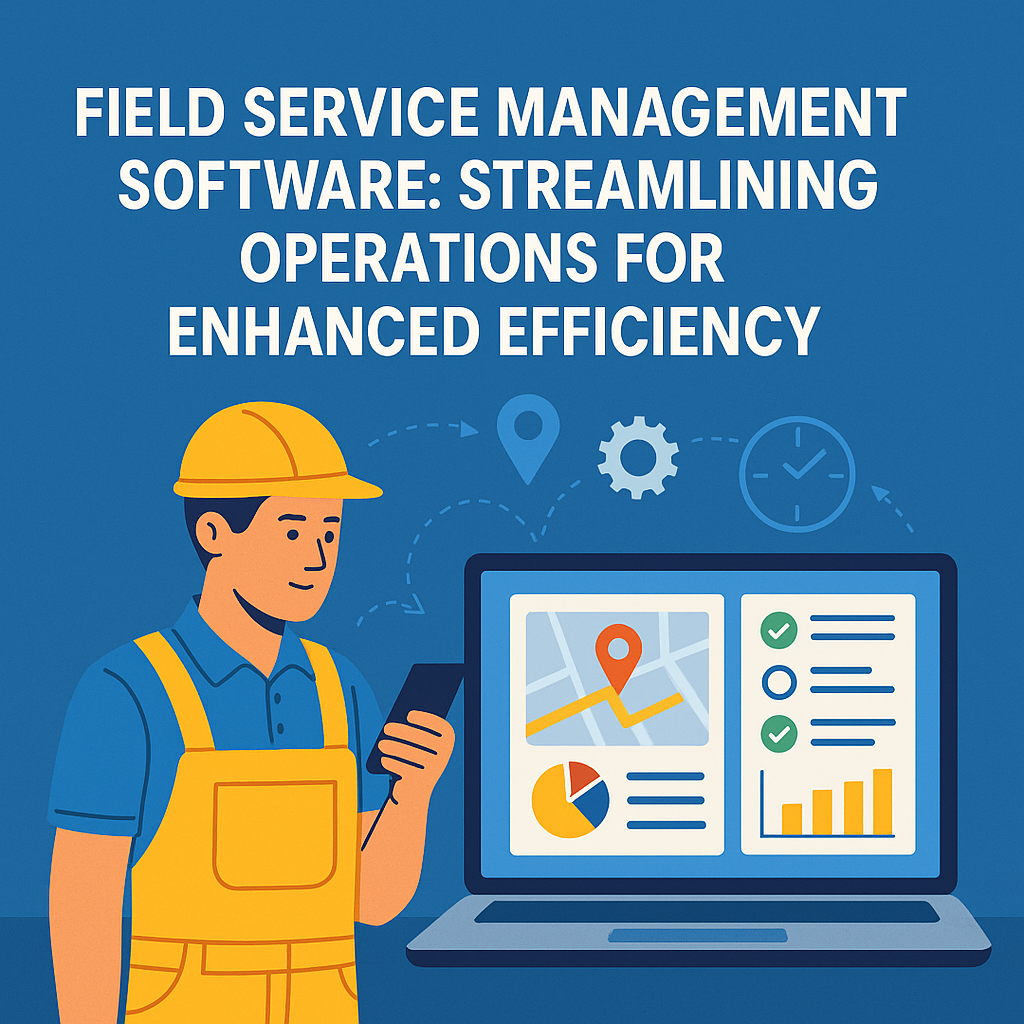
Field service management software is essential for businesses that rely on field operations. It streamlines processes such as scheduling, dispatching, and tracking employee locations, leading to increased efficiency and improved customer service. As industries evolve, companies increasingly seek digital solutions to optimize their field service operations.
Understanding the capabilities of field service management software can significantly impact productivity and cost management. With functions like real-time communication and automated reporting, these tools provide insights that help organizations make informed decisions.
Investing in the right software not only enhances operational performance but also contributes to higher customer satisfaction. As competition grows, utilizing such a system can be a decisive factor in maintaining an edge in the market.
Core Components of Field Service Management Software
Field Service Management (FSM) software encompasses various components that streamline operations and enhance efficiency. Key elements such as work orders, customer management, inventory control, scheduling, and mobile access are critical for effective service delivery.
Work Order Management
Work order management is a vital component of FSM software. It enables businesses to create, assign, track, and close work orders efficiently.
Key features include:
- Automation of Work Order Creation: Automates the generation of work orders based on service requests, complaints, or scheduled maintenance.
- Real-time Tracking: Provides updates on the status of work orders, ensuring transparency and accountability.
- Prioritization Features: Allows users to assign priority levels to work orders, ensuring that urgent requests are addressed promptly.
This component ensures all tasks are completed as planned, improving service response times and team productivity.
Customer Management
Customer management within FSM software is critical for fostering relationships and ensuring satisfaction.
Essential functionalities include:
- Customer Profiles: Comprehensive profiles that store contact details, service history, and preferences.
- Service History Tracking: Allows for easy access to previous service interactions, enhancing customer support.
- Communication Tools: Integrated communication options facilitate easy interaction with customers regarding service updates or reminders.
Effective customer management leads to improved customer retention and loyalty, ultimately enhancing business performance.
Inventory and Parts Management
Inventory and parts management is essential for maintaining service quality and efficiency.
Important aspects include:
- Real-time Inventory Tracking: Keeps updated records of parts and materials, minimizing stockouts and overstock situations.
- Automated Reordering: Alerts for low stock levels and triggers reorders automatically to ensure availability.
- Usage Analytics: Provides insights into inventory usage patterns, allowing for better purchasing decisions.
This component ensures that technicians have the necessary tools and parts readily available, reducing downtime and enhancing service delivery.
Scheduling and Dispatch
Scheduling and dispatch functions streamline the allocation of resources and personnel.
Key features include:
- Optimized Scheduling Algorithms: Helps in assigning the right technician to the right job based on skills, location, and availability.
- Visual Scheduling Boards: Displays a clear view of all scheduled jobs, making it easy to manage changes.
- Real-time Dispatch Updates: Allows dispatchers to communicate changes or emergencies instantly, ensuring flexibility.
Effective scheduling and dispatching enhance operational efficiency and customer satisfaction.
Mobile Field Service Access
Mobile access is a crucial feature for field technicians, enabling them to perform tasks efficiently on site.
Core functionalities include:
- Mobile Applications: Provide access to work orders, customer information, and inventory data from any location.
- Digital Signature Capture: Allows for instant customer sign-offs on completed work, improving record-keeping.
- Offline Capabilities: Enables technicians to work without a constant internet connection, syncing data when back online.
Mobile access empowers field staff to work more independently and efficiently, driving overall productivity.
Advanced Features and Integrations
Field service management software incorporates advanced features that enhance operational efficiency and streamline processes. Integrations with other systems enable seamless data sharing and improved decision-making.
Real-time Tracking and Visibility
Real-time tracking provides significant benefits by allowing companies to monitor field operations closely. Software solutions offer GPS functionality, enabling dispatchers to see technician locations, manage schedules effectively, and reduce travel time.
Key benefits of real-time tracking include:
- Enhanced Communication: Technicians can update their status, ensuring transparent workflows.
- Improved Customer Experience: Clients receive accurate updates regarding arrival times.
- Efficient Resource Allocation: Real-time data aids in assigning the right technician to the closest job.
This capability helps organizations respond promptly to changes in the field.
Analytics and Reporting
Analytics and reporting functions deliver actionable insights, helping businesses make informed decisions. These tools aggregate data on performance metrics, service costs, and customer satisfaction.
Notable analytics features include:
- Performance Dashboards: Visual representations of key metrics allow for quick assessments.
- Custom Reports: Users can generate reports tailored to specific needs, facilitating targeted improvements.
- Trend Analysis: Identifying patterns over time aids strategic planning.
By leveraging analytics, companies can pinpoint inefficiencies and track progress toward organizational goals.
Integration with CRM and ERP Systems
Integrating field service management software with Customer Relationship Management (CRM) and Enterprise Resource Planning (ERP) systems enhances data accuracy and consistency. This integration allows for a unified view of client interactions and operational processes.
Benefits of integration include:
- Streamlined Workflows: Synchronization reduces manual data entry and potential errors.
- Holistic Customer Profiles: Access to comprehensive customer data improves service delivery.
- Financial Insights: Linking service data with ERP ensures accurate billing and financial reporting.
Such integrations create a robust ecosystem that maximizes productivity and customer satisfaction.
IoT and Predictive Maintenance
The Internet of Things (IoT) revolutionizes field service by enabling predictive maintenance. Connected devices transmit real-time data on equipment health, allowing organizations to anticipate failures before they occur.
Advantages of IoT integration include:
- Condition Monitoring: Continuous monitoring helps maintain optimal equipment performance.
- Scheduled Maintenance Alerts: Automatic notifications prompt timely service, reducing downtime.
- Data-Driven Decisions: Historical data analysis informs better maintenance strategies.
Embracing IoT technology allows companies to shift from reactive to proactive maintenance, enhancing overall service efficiency.