The cartoons possess a special manner of catching our imagination. Whether it be colored worlds or weird characters, they entertain and teach us life lessons and add a bit of magic that can remain with us even after the TV is off. Among all the numerous cartoons I have been watching throughout the years, there is one series that I am absolutely in love with, and it is Avatar: The Last Airbender. Its mix of excellent storytelling, memorable characters, amazing animation and significance has made a great impression on me.
An Adventurous and Magical World
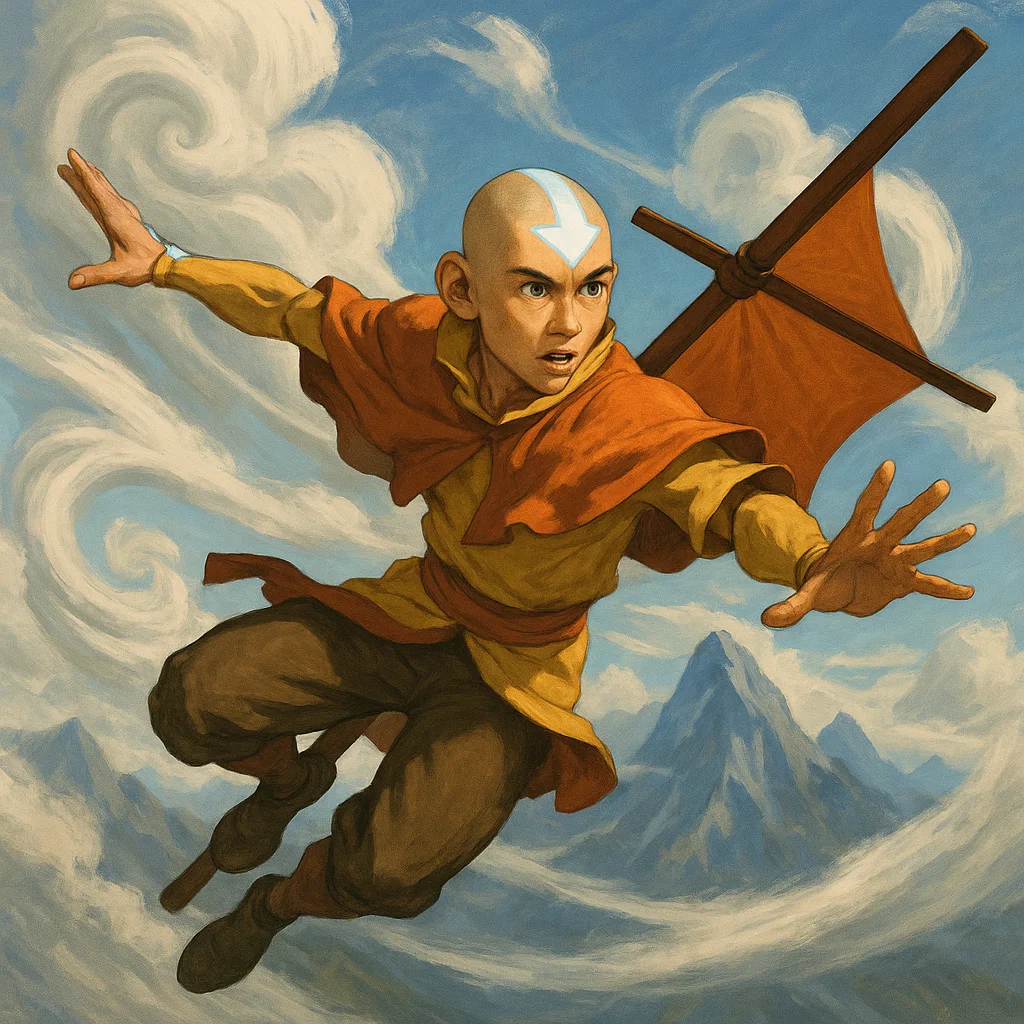
Fundamentally, Avatar: The Last Airbender is an adventure novel whose plot unfolds in a world where individuals can bend the four elements namely, water, earth, fire, and air. The main character is Aang, who is the sole surviving Airbender and the Avatar and who is to restore order in a wartorn world. Since the first episode, the series grabs your attention and this individual idea down to the deep world-building. Each episode is a leap into the world of a living picture where the landscapes are even more dynamic than the characters themselves.
The plot is a perfect combination of comedy, adventure and drama. The show does not lose its heart though there are epic battles and high-stakes conflicts. It deals with friendship, bravery and the necessity of making hard moral decisions. It is easy to experience the emotional involvement in the life of Aang, his friends, such as Katara, Sokka, Toph, and Zuko, as a viewer. These are not mere animated characters, but lifelike characters, ones that have struggles that are easy to relate to, and personalities that develop through time.
If you are curious about favorite cartoons, this series can be suggested as creative and life-wise, and in a way that will be liked by both children and adults.
Characters That Linger
The characters of this cartoon are one of the reasons why it is so dear to me. They are all original and their development throughout the series is a motivation.
- Aang, the light-hearted and positive Avatar, teaches resilience and responsibility. He never surrenders irrespective of the seemingly impossible challenges he is going through and always has peaceful solutions in mind.
- Katara, the nurturing waterbender, is compassionate and willpowered. She is a role model as far as empathy and leadership is concerned.
- Sokka, the brother of Katara, entertains, yet he is a very tactical and courageous person. His comedy allowed the dramatic scenes to be less unequal and sympathetic.
- Toph, the earthbender who is blind, is a representation of strength and autonomy. She is really empowering, and she does not allow her disability to define her.
- Zuko, the ambivalent firebender, possesses one of the strongest character developments I have ever witnessed. His experience of being a high and mighty prince to being an angry, exiled prince turns into a familiar story to all people who have gone through hardships in their own lives or who have come to terms with their self-identity.
Through these characters, I also thought about friendship, empathy and the dynamics of human emotions. I would think, most of the time, what will I do in their position. This insight aided in the formation of my concept of resilience, teamwork, and compassion.
The Art of Animation
Another way in which Avatar: The Last Airbender is impressive is its animation style. In contrast to other modern cartoons where the CGI-based production prevails, Avatar is animated traditionally with a unique artistic approach to the East Asian art and culture. The combat scenes are streamlined and spectacular and the bending trick is presented in a manner that is very real and yet at the same time creative.
I recall the scene when Aang is battling Azula when the comets are encroaching in the city—what a life-threatening interaction it shows between fire, water and earth. Every episode is a visual delight, due to the attention paid to every detail in every movement and the expressive characters designs. Even the plain, silent scenes, such as riding in the Northern Water Tribe or planting trees in the Southern Air Temple, are imbued with beauty that is slightly aware to bring out more depth in the story.
This prudent balance between art and animation gave me the drive to develop my imagination. I ended up scribbling on bends, fantasizing of my worlds, and trying to draw characters. It was not merely observing a cartoon but a lesson in art and detail.
Themes That Resonate
Other than entertainment, Avatar: The Last Airbender has meaningful and thought-provoking themes. The topics that the show addresses include war, genocide, identity and forgiveness in a manner that is easy to understand by the younger viewers but interesting enough to the older viewers.
The theme which is especially close to me is the concept of the value of balance, both of the world around and of oneself. The role of the Avatar is to create a balance, which is indicative of the notion that no one is irresponsible, and decisions made have a cost. This idea also affected my way of tackling a problem in my personal life and made me always think of both sides of a problem before coming up with a decision.
The other theme is redemption. The change of Zuko demonstrates that any person can change and repent his/her mistakes at any time. His effort to find his identity and decide what to do made me realize that we all need to go through personal development, and failures are not what we are.
Another important part that contributes to the memorability of the series is humor. The jokes of Sokka, the mischief of Appa, and the use of word plays make the story very light and easy to read. Such combination of solemn topics and the comedic element is the reflection of everyday life, which makes the show close to people and captivating.
How the Cartoon Influenced Me
Avatar: The Last Airbender influenced my imagination, sense of humor, and values in subtle yet profound ways. Watching the series encouraged me to think creatively about problem-solving. Aang often faced challenges that required thinking outside the box, and I began applying similar approaches in school projects and personal endeavors.
The show also strengthened my appreciation for humor. Even in tense situations, the characters find ways to laugh or make others laugh, teaching me that humor can be a powerful tool for resilience. Additionally, the friendships and moral lessons in the cartoon shaped my understanding of empathy and integrity. I found myself valuing honesty, loyalty, and kindness more consciously, inspired by the characters I admired.
On a personal level, the cartoon gave me comfort during stressful times. Rewatching episodes from my favorite seasons, like Book Two: Earth or Book Three: Fire, felt like reconnecting with old friends. It reminded me of the joys of childhood and the magic of stories that can transport you to other worlds.
Conclusion
Cartoons have the power to leave lasting impressions, and Avatar: The Last Airbender is a perfect example of this. Its engaging storyline, memorable characters, stunning animation, and meaningful themes make it more than just entertainment—it’s a source of inspiration and reflection.
Through Aang’s adventures, I learned about courage, balance, and friendship. Through Zuko, I learned about redemption and self-discovery. Through the artistic style, I learned to appreciate detail, creativity, and imagination. This cartoon shaped my values, influenced my humor, and sparked my creative spirit in ways few shows ever have.
Whether you’re revisiting it for nostalgia or discovering it for the first time, Avatar: The Last Airbender is a testament to the magic of storytelling in animation. It’s more than a favorite cartoon—it’s a part of my personal journey, a reminder that even in a world of chaos, balance, friendship, and hope can guide us forward.