
If the thought of sitting in a dentist’s chair makes you squirm, you’re not alone. Most people put off their first dental visit because they expect pain, shame, or bad news. But here’s the truth: that first visit is often the opposite. It’s simple, surprisingly gentle, and often the beginning of a new kind of confidence in your health.
Here’s what really happens and what you’ll walk away with.
Preparing for Your First Dental Visit
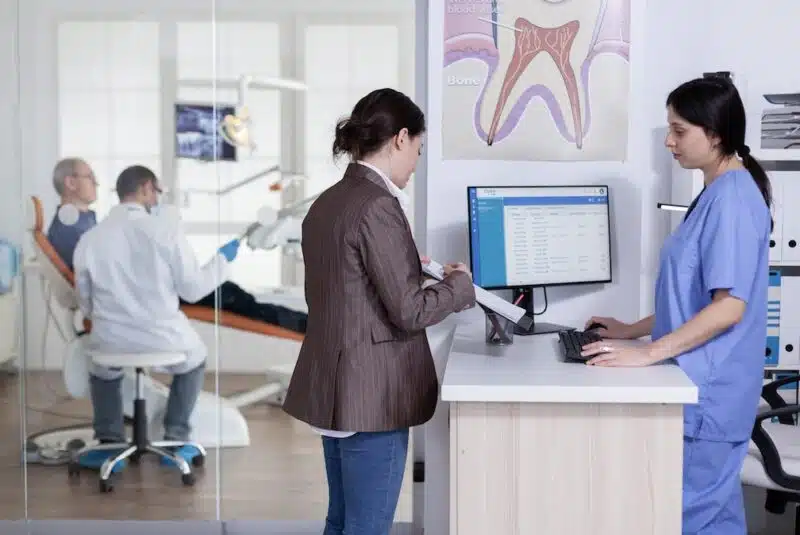
The best way to reduce anxiety before your appointment? Know exactly what to expect. First, you’ll complete a form with your health and dental history. This helps your dentist understand any allergies, medications, or conditions that could impact your care. If you’re nervous, mention it. Modern clinics are trained to accommodate patients with anxiety.
You don’t need to “perfect” your brushing routine before you go. Dentists aren’t there to judge. They’re there to help. If it’s been years since your last visit, that’s okay. They’ve seen worse. Most importantly, plan to arrive 10–15 minutes early, bring ID and your insurance card, and wear comfortable clothes.
You won’t need anything fancy. Just honesty, a little courage, and your questions. Because this is your health, and your voice matters.
Next Steps After Your First Appointment
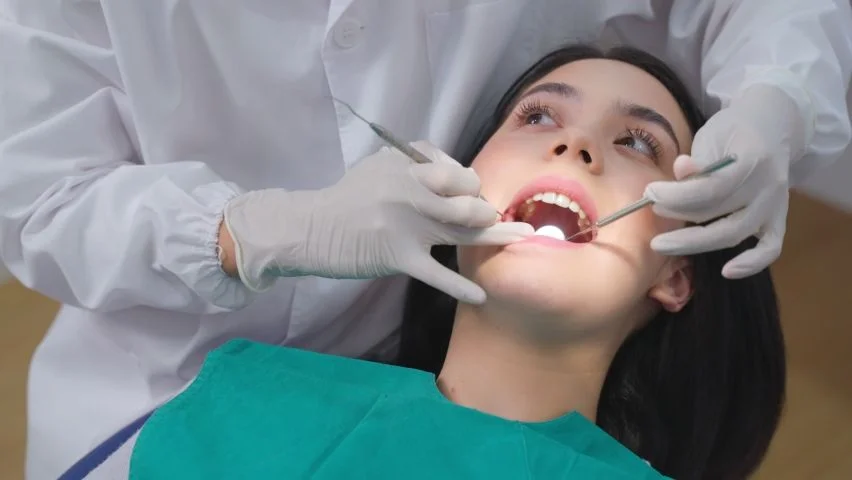
The first part of the appointment is usually calm and observational. A hygienist will look at your teeth, gums, and mouth. The first part is not about jumping into drills or needles. It is about assessment, not treatment.
They’ll check for common issues like plaque, tartar, cavities, or early signs of gum disease. You might also get digital X-rays, especially if it’s been a while since your last visit. These are fast, painless, and involve very low radiation levels that are safer than most people think (per ADA guidelines).
You’ll also have your bite, jaw alignment, and soft tissues checked. Nothing invasive—just making sure everything’s working the way it should. Most of the clinics follow this same process, and the whole exam usually lasts under 20 minutes.
By the end of it, you’ll probably think: “That’s it?” And yes, that’s it.
At Najmi Dental, our experienced team of Dentists in South Brisbane will carefully review your oral health history to tailor a treatment plan that meets your unique needs
What Happens During the Initial Exam
You’ll talk about your dental past but not in the way you’re expecting.
Instead, your dentist will ask questions like: Have you had any pain while chewing? Any sensitivity to hot or cold? Have you had fillings, braces, or extractions before? They’ll want to know about your home care habits but just to help improve them, not criticize.
Many patients worry they’ll be “shamed” for not flossing. But modern practices approach things differently now. They focus on understanding, support, and prevention. The most experienced dentists like those at Najmi Dental know that people have lives, stress, and real fears. And they meet you where you are.
Discussing Your Oral Health History
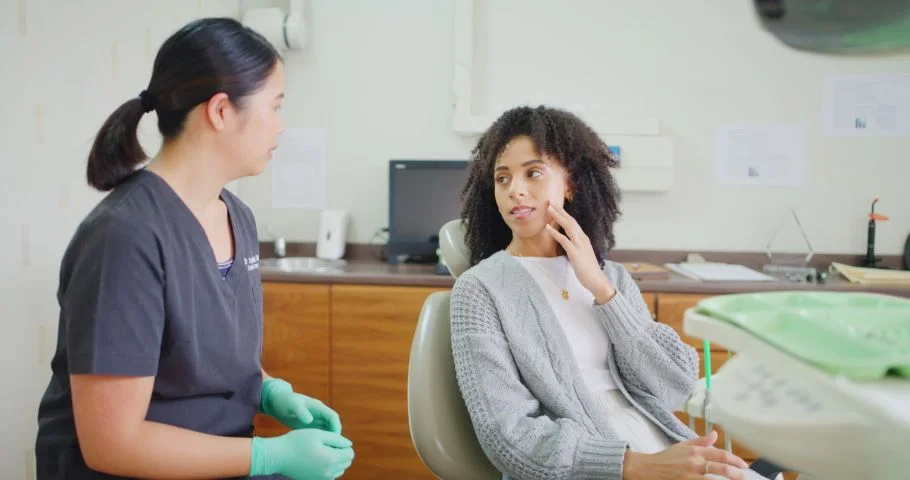
You can and should speak up about fear. Whether it’s needles, sounds, smells, or past trauma as your dentist needs to know.
One Reddit user shared that their hygienist played calming music through their earbuds while cleaning, and it made all the difference. Others mentioned using sedation options, or simply having a conversation before anything began. That’s what today’s dental care is about: partnership.
And don’t worry if you have any questions like “Will it hurt?” or “What will you do?”
Think of your first dental appointment as more of a friendly conversation. You’re in control. And when your dentist respects your boundaries, fear loses its grip.
Addressing Any Concerns or Fears You May Have
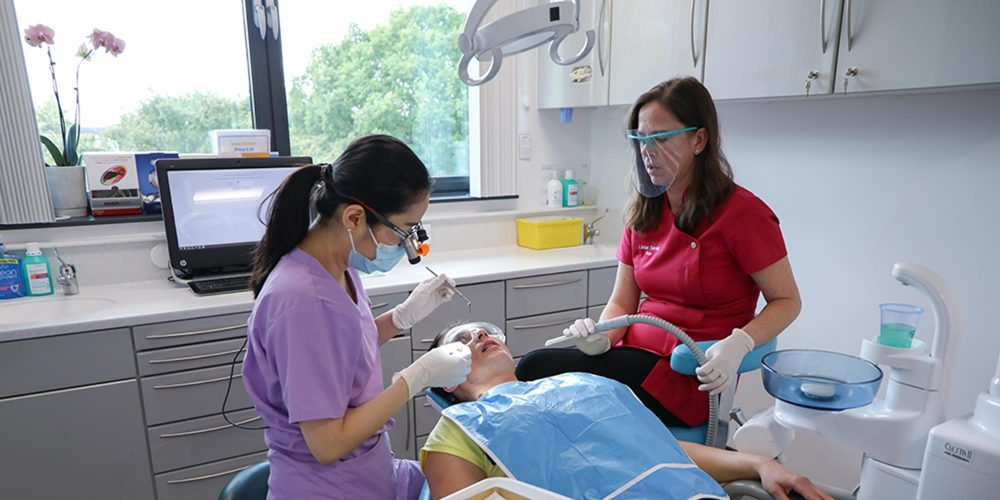
After the check-up, the dentist will walk you through their analysis.
If you have no major issues, you’ll usually leave with just a fresh cleaning and a recommended timeline for your next visit. If there are minor concerns like cavities or early gum irritation, you’ll be given a clear, step-by-step care plan.
Here’s where the real shift happens.
Many people report that after this first visit, they feel relief, not dread. They finally know what’s going on inside their mouth. They have a plan. They feel in control again. And from there, it gets easier.
If you have any concerns or fears you should mention them to the dentist directly.
Conclusion
Going to your first dental appointment can feel like a big leap. But once you do, everything starts to shift. You’ll realize it wasn’t scary and instead it was empowering.
You’ll leave with clarity, a clean mouth, and a new perspective on health. And best of all? You’ll know you’re not alone.
The hardest part is making the appointment. After that, it’s just one positive choice after another.
