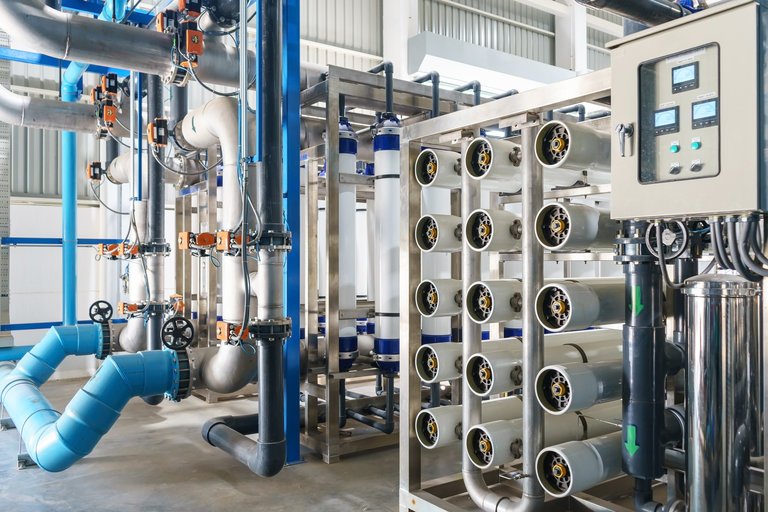
Clean, reliable water touches almost every part of daily life in New Zealand — from the quality of tap water in a family home to the consistency required in a café, brewery, or production facility. Yet despite how essential it is, choosing the right filtration setup can feel surprisingly confusing. Different regions across NZ have different water profiles, and the needs of a household aren’t the same as those of commercial kitchens or industrial plants. So how do you evaluate the right system without overpaying or underspecifying?
A good place to start is understanding what problem you’re actually solving. Are you dealing with sediment from older pipes? Chlorine taste from municipal supply? Mineral hardness? Or strict quality requirements in dairy or manufacturing? Once this is clear, evaluating filtration options becomes far more straightforward.
NZ’s Water Variability
What makes New Zealand unique is the range of water qualities across the country. Auckland’s networked supply differs from Canterbury’s bore water, which again differs from rural tank systems. For some homeowners, the main issue is taste or residual chlorine; for tank users, it may be organic matter; and for industrial processors, it’s product consistency and compliance.
This variability is why choosing Water Filtration Solutions NZ requires a methodical, criteria-based approach rather than relying on generic systems that may not suit local conditions.
1. Start With a Water Quality Assessment
Before looking at products, look at the water itself. In homes, this might involve checking for sediment, odour, or visible discoloration. Businesses often rely on regular tests, and industrial operations typically conduct full-spectrum analysis.
Ask yourself:
- Is the problem physical (sediment, rust, silt)?
- Chemical (chlorine, hardness, pH imbalance)?
- Biological (bacteria or organic matter)?
A filtration system is only as good as how well it matches the issue. For example, choosing a carbon filter for heavy sediment problems won’t resolve flow restrictions, and using a fine-grade cartridge for tank water can cause premature clogging. A basic test or supplier assessment can prevent a costly mismatch.
2. Evaluate the Filtration Method — Not Just the Product
Most NZ households encounter sediment or chlorine-related issues, while commercial kitchens worry about scale, taste consistency, and equipment protection. Industrial sites often deal with fine particulates, product integrity, and compliance.
The most common methods include:
- Sediment filters — remove particles and improve clarity
- Carbon filters — reduce chlorine, taste, and odour
- Cartridge systems — used widely across home, commercial, and industrial setups
- Bag filters and housings — ideal for high-flow environments
- UV disinfection — for tank systems or biological protection
- Specialised industrial filters — for dairy, beverage, and processing lines
The right choice is rarely a single filter but a combination tailored to the flow rate, water profile, and end-use requirements.
3. Consider Flow Rate and Maintenance Over Cost
Many people choose systems based on price alone, but flow rate and maintenance frequency are often more important. For homes, undersized filters create pressure drops. For cafés or hospitality, flow interruption can affect service. And for industrial users, downtime is expensive.
Think about:
- Required litres per minute
- Hours of daily operation
- Expected load (sediment, organics, chemicals)
- Availability of replacement cartridges or bags
- Ease of maintenance for staff
A slightly higher initial investment often results in lower lifetime costs, especially when systems are sized correctly for the environment.
4. Look for Industry Expertise and Local Knowledge
Because NZ water varies so much, working with suppliers who understand regional water profiles and industry standards makes a significant difference. Whether you’re a homeowner or managing a processing facility, choosing a filtration partner with local experience often leads to better long-term results than relying on generic imports.
For example, some NZ operations in the food and beverage sector choose suppliers who offer system audits, filter lifecycle guidance, and tailored product lines. These services ensure the system performs consistently rather than becoming an afterthought.
For a practical starting point, reviewing established providers like ProFilt can help clarify which solutions match your environment. Their range covers household, commercial, and industrial options, and their expertise spans filtration strategy, product selection, and ongoing support. You can explore their solutions here: ProFilt Water Filtration Solutions.
5. Check Compliance and Credible External Guidance
For commercial and industrial operators, compliance is a significant part of filtration strategy. Standards can apply to food safety, equipment protection, and water purity.
To understand NZ’s broader water safety framework, the Ministry of Health provides public guidance that helps clarify what “safe water” means in different contexts. Their documentation is valuable for both home users and businesses seeking clarity:
https://www.health.govt.nz
This type of external reference helps you evaluate whether a filtration system meets appropriate expectations — not just for quality, but for safety and compliance over time.
Final Thoughts
Evaluating water filtration isn’t about finding the “best” system — it’s about finding the right one for your water profile, usage, and environment. Homes, cafés, and industrial plants all need clean, reliable water, but the underlying reasons differ. By assessing water quality, matching filtration technology to your needs, and choosing suppliers with real NZ expertise, you build a filtration solution that performs consistently, lasts longer, and protects both people and equipment.

Your blog is a true hidden gem on the internet. Your thoughtful analysis and engaging writing style set you apart from the crowd. Keep up the excellent work!
Your blog is a treasure trove of valuable insights and thought-provoking commentary. Your dedication to your craft is evident in every word you write. Keep up the fantastic work!