Landscapes are constantly shaped and reshaped by natural forces, and soil erosion is among the most significant contributors to this change. While erosion is a natural process, human activities intensify it, leading to environmental degradation, loss of fertile land, and even economic consequences. This blog explores the importance of erosion control and its role in safeguarding ecosystems, ensuring the sustainability of agriculture, and mitigating infrastructure damage.
Understanding Erosion and Its Consequences
What Is Erosion?
Erosion is the process by which soil, rock, or other surface material is worn away and transported by natural elements such as wind, water, and ice. While some erosion occurs naturally, human activities like deforestation, overgrazing, and urban development accelerate the process.
The Cost of Ignoring Erosion
Uncontrolled erosion can lead to:
- Loss of Fertile Soil: Erosion strips away the nutrient-rich topsoil, leading to lower agricultural productivity.
- Waterway Pollution: Sediments carried by eroded soil often end up in rivers and streams, contributing to water pollution and harming aquatic ecosystems.
- Infrastructure Damage: Roads, bridges, and buildings are at greater risk of instability and collapse when erosion weakens the surrounding terrain.
- Biodiversity Loss: Habitats are destroyed as soil erosion alters the physical landscape, reducing vegetation and threatening wildlife.
Why Erosion Control Matters
Safeguarding Agriculture and Food Security
Agriculture depends on healthy, fertile soil. When topsoil erodes, crops become more difficult to grow, and farmers’ livelihoods are put at risk. Techniques like contour farming and no-till farming play a vital role in erosion control, helping to stabilize the soil and retain its nutrients.
Mitigating Climate Change’s Effects
Climate change exacerbates extreme weather patterns, increasing rainfall and flooding in certain regions. These conditions intensify erosion risks. Erosion control measures help manage these challenges by stabilizing the ground and reducing runoff.
Protecting Water Resources
Sedimentation caused by erosion harms water reservoirs and disrupts aquatic ecosystems. Measures such as sediment basins, buffer strips, and strategic planting around water bodies reduce sediment flow, ensuring cleaner water supplies for both humans and wildlife.
Innovative Approaches to Erosion Control
Erosion control isn’t just about stemming the tide of soil loss; it’s about integrating innovative solutions that encourage sustainability and environmental health.
1. Biotechnical Stabilization
Combining engineering techniques with vegetation, biotechnical stabilization uses plants to reinforce soil. The root systems bind soil particles together, while plants absorb excess water, reducing runoff and erosion.
2. Geotextiles and Erosion Control Blankets
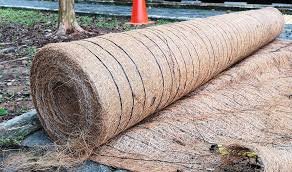
Geotextiles and erosion control blankets provide immediate stabilization on slopes, preventing soil from washing away before vegetation has a chance to take root. These materials are particularly useful in construction sites and areas prone to high rainfall.
3. Vegetative Buffers
Strategically planting trees, shrubs, and grasses, particularly along riverbanks or hillsides, acts as a natural barrier, reducing the force of water flow and trapping sediments.
4. Retaining Walls and Terracing
Terracing slopes and building retaining walls are effective in both agricultural and urban environments. They create barriers that slow down water flow and minimize the risk of soil erosion.
5. Rain Gardens
Rain gardens are depressions planted with native vegetation designed to capture and infiltrate stormwater. They protect nearby areas from erosion while supporting groundwater recharge.
Case Studies in Successful Erosion Control
Case Study 1: Urban Development in Charlotte, North Carolina
To counteract erosion caused by rapid urban development, the city of Charlotte implemented green infrastructure solutions, such as bioswales and permeable pavements, to manage stormwater. The result? A dramatic reduction in runoff and sedimentation in nearby waterways.
Case Study 2: Land Restoration in Ethiopia
Ethiopia’s sustainable land management program focused on combating soil erosion through terracing and tree planting. By stabilizing slopes and engaging local communities, the project not only restored degraded lands but also improved agricultural productivity and reduced poverty.
Case Study 3: Coastal Stabilization in the Netherlands
The Netherlands, renowned for its water management expertise, employed innovative sand nourishment techniques to combat beach erosion. The sand was strategically placed to allow natural processes to redistribute it along the coastline, protecting communities and habitats.
How You Can Contribute to Erosion Control
Governments and organizations play a massive role in erosion control, but individuals and small communities can make an impact too. Here’s how:
- Adopt Sustainable Practices: Whether you’re a homeowner or farmer, implement sustainable practices such as planting ground cover or constructing rain gardens.
- Advocate for Policies: Support policies that prioritize land preservation, afforestation, and sustainable urban development.
- Educate Others: Raise awareness about the impacts of erosion and the importance of controlling it within your community.
Actionable Steps to Combat Erosion
Erosion is a challenge with far-reaching consequences, but it is manageable. By investing in innovative Erosion Control practices and prioritizing sustainability, we can protect our soil, ecosystems, and communities. For businesses and individuals alike, taking the initiative to address erosion ensures a healthier planet and a more stable future.
Together, we can keep the ground beneath us solid and thriving.