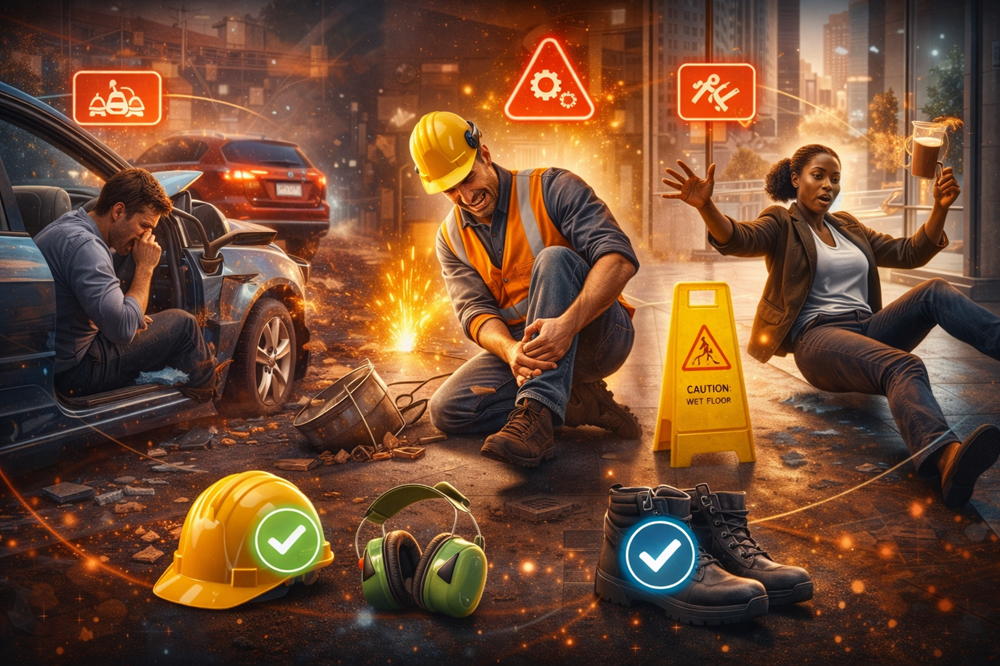
Emergencies can happen without warning. Whether it’s a fire, power outage, flood, or structural failure, the ability to respond quickly and effectively can make a critical difference. This is why emergency preparedness is so important in buildings and workplaces. It involves planning for unexpected events to ensure the safety of everyone on the premises, including conducting a Fire Risk Assessment (also known as a (Fire Safety Risk Assessment) to identify potential hazards, evaluate risks, and implement appropriate preventive and protective measures.
In cities like London, where buildings vary in size, age, and function, preparing for emergencies is more than a precaution—it’s a necessity. One key part of this preparation is ensuring that systems like Emergency Lighting Installation London are in place. These systems guide people to safety during power failures or dangerous situations, and their installation is often required by law.
What Is Emergency Preparedness?
Emergency preparedness means having a plan for dealing with unexpected events. This includes making sure buildings are safe, exits are clear, alarms are working, and people know what to do in case of an emergency. Good preparedness can prevent injuries, protect property, and save lives.
For example, if a fire breaks out in a block of flats or an office building, a clear evacuation route and working emergency lighting can help people exit safely, even if the power has gone out. Regular drills, safety training, and equipment checks are all part of being prepared.
The Importance of Safety Regulations
Safety regulations are rules set by governments and official bodies to protect people in different environments. These regulations cover things like fire safety, electrical systems, building structure, and emergency procedures. They are not just suggestions—they are legal requirements that must be followed.
In the UK, many of these rules come from acts like the Regulatory Reform (Fire Safety) Order 2005, which requires property owners and employers to carry out fire risk assessments and ensure safe conditions for occupants. These laws help create a standard level of safety that everyone must meet.
Safety regulations are especially important in large cities where buildings are densely packed, and risks can affect more people. Regulations ensure that all properties—from homes and offices to schools and hospitals—are equipped to handle emergencies.
Emergency Lighting and Building Safety
One of the most important safety features in any building is emergency lighting. In a crisis, regular lighting may fail. Emergency lighting helps guide people out of the building safely. It lights up hallways, staircases, and exits so that even in darkness or smoke, the path to safety is clear.
Emergency lighting is often required in non-residential buildings, such as workplaces, hotels, and public venues. However, many residential properties also include it, especially in shared areas like corridors and stairwells.
Proper installation and regular testing of emergency lighting systems are essential. These systems must turn on automatically when the power fails, and they must be bright enough to show people the way out.
Planning and Practicing Evacuations
Having emergency exits and lighting is only part of the picture. People also need to know what to do. Emergency preparedness involves creating clear evacuation plans and practicing them regularly.
In workplaces and public buildings, fire drills are usually required by law. These drills help staff and visitors become familiar with escape routes, meeting points, and emergency procedures. They also highlight any issues in the plan, such as blocked exits or unclear signage, so they can be fixed before a real emergency happens.
Preparedness is not just about fire. Plans should also cover other possible emergencies, such as gas leaks, floods, or structural problems. Each type of emergency might require a different response, so having a detailed plan for various situations is important.
Training and Responsibility
Safety does not happen on its own. Building owners, employers, and managers all have responsibilities under safety laws. They must ensure that safety systems are in place, inspections are carried out, and people are trained to respond to emergencies.
Training can include fire warden courses, first aid training, and instructions on how to use safety equipment like extinguishers. This knowledge helps staff stay calm and act quickly in emergencies, protecting both themselves and others.
Tenants and residents also need basic information about emergency exits and procedures. Even something as simple as a leaflet or poster in shared areas can make a difference.
Inspections and Compliance
To ensure safety systems work when needed, they must be tested regularly. Emergency lighting, fire alarms, extinguishers, and other equipment should be inspected at intervals set by law or official guidance.
In the UK, organisations like the Health and Safety Executive (HSE) provide detailed advice on how to meet these safety standards. Following this advice helps ensure compliance and reduces the risk of fines or legal action.
Compliance also means keeping records of safety checks and maintenance. If there is an incident, these records can show that steps were taken to meet safety regulations, which may help during investigations or insurance claims.
Adapting to Different Buildings
Emergency preparedness can vary depending on the type of building. A small office may need a simple fire alarm and basic emergency lighting, while a large shopping centre will require more advanced systems and detailed evacuation procedures.
Older buildings, especially those with complex layouts or historic features, may pose special challenges. In these cases, safety upgrades must be carefully planned to meet modern standards without damaging the structure.
New buildings, on the other hand, are usually designed with emergency preparedness in mind. Modern architecture often includes wider staircases, better lighting, and more fire-resistant materials to improve overall safety.
Technology and the Future of Emergency Preparedness
Technology is helping to improve emergency planning and response. For example, automated systems can detect smoke or heat and trigger alarms immediately. Some buildings use central monitoring systems to track safety equipment, while others use mobile apps to alert staff in case of an incident.
Digital records also make it easier to track inspections and maintenance, ensuring that no check is missed. These tools are especially useful in large buildings or organisations with multiple sites.
As technology advances, it is likely that emergency preparedness will become even more efficient. However, the human element—training, planning, and clear communication—will always remain essential.
Conclusion
Emergency preparedness is not just about reacting to disasters—it is about planning ahead to prevent harm and protect lives. Safety regulations play a central role in this process, setting clear standards for how buildings should be equipped and how people should respond in emergencies.
In places like London, where buildings serve many different purposes and house large numbers of people, systems like Emergency Lighting Installation London are vital. These features, along with evacuation plans, staff training, and regular inspections, form the foundation of a safe environment.
By understanding and following safety regulations, property owners and managers can ensure that when emergencies happen, their buildings—and the people inside them—are ready. If you want to stay updated with posts like this, please follow us on Dutable.