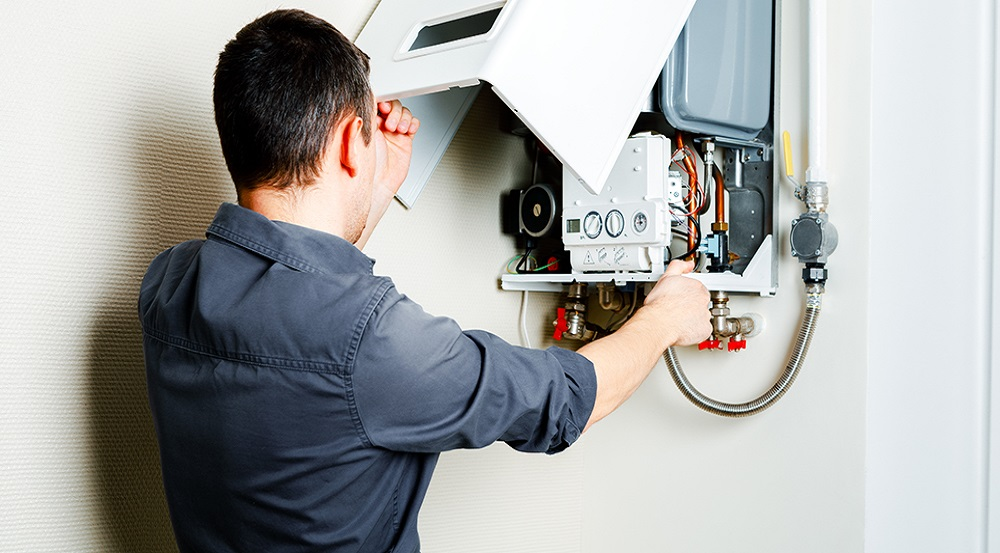
A heating system failure rarely happens at a convenient time. It often strikes during cold weather, late at night, or when your home or business depends heavily on a steady supply of hot water and warmth. When this happens, quick and professional help is essential. Emergency boiler repairs carried out by qualified specialists are not just about restoring comfort. They are also about safety, efficiency, and long-term reliability.
As someone who has worked closely with service-based businesses for years, I understand how important it is for homeowners to know what to expect, who to trust, and how to respond when heating problems arise. This guide is designed to help you understand emergency boiler situations, the role of certified professionals, and why choosing the right support matters.
Understanding What Qualifies as a Boiler Emergency
Not every boiler issue requires urgent attention, but some problems should never be ignored. A true emergency boiler situation usually involves risks to safety, severe discomfort, or potential damage to property.
Common examples of boiler emergencies include:
- Complete loss of heating or hot water during cold conditions
- Gas smells or unusual noises coming from the system
- Sudden drops in pressure that cause system shutdowns
- Leaks that threaten surrounding structures or electrics
- Error codes that prevent the boiler from restarting
These situations require immediate action because delaying repairs can worsen the damage or create health and safety hazards. Recognizing the difference between a minor fault and a genuine emergency helps you act quickly and responsibly.
Why Speed Matters During Boiler Breakdowns
Time plays a critical role when a boiler fails unexpectedly. A rapid response can prevent a minor fault from turning into a costly repair or full replacement. Fast intervention also protects vulnerable household members such as children, elderly residents, or anyone with health conditions affected by cold environments.
Quick emergency response also helps:
- Minimize water damage from leaks
- Prevent frozen pipes during winter
- Reduce energy waste from malfunctioning systems
- Restore daily routines without prolonged disruption
This is why professional emergency services are structured to prioritize urgent call-outs and fast diagnostics.
The Role of Certified Gas Engineers in Emergencies
When dealing with heating systems that use gas, safety must always come first. Certified gas engineers are trained to work with gas appliances, detect faults accurately, and carry out repairs in line with strict safety regulations.
Their role in emergency situations goes beyond basic fixes. They assess the entire system to ensure there are no hidden risks. This includes checking gas pressure, ventilation, pipework, and safety controls before restarting the boiler.
Qualified gas engineers bring several advantages:
- Legal compliance with gas safety standards
- Accurate diagnosis using professional tools
- Safe handling of gas and electrical components
- Long-term repair solutions rather than temporary fixes
Relying on uncertified help during an emergency can put lives and property at risk, making professional certification essential rather than optional.
Common Causes of Emergency Boiler Failures
Understanding why boilers fail can help you recognize early warning signs and reduce the likelihood of future emergencies. While some breakdowns are unavoidable, many stem from underlying issues that develop over time.
Typical causes include:
- Lack of regular maintenance leading to worn components
- Pressure problems caused by leaks or faulty valves
- Thermostat or sensor malfunctions
- Frozen condensate pipes during cold weather
- Heat exchanger faults due to corrosion or sludge buildup
Emergency repairs often address immediate symptoms first, followed by recommendations to prevent recurrence. A good engineer will explain the root cause clearly, helping you make informed decisions about maintenance or upgrades.
What Happens During an Emergency Repair Visit
Knowing what to expect during an emergency call-out can ease stress and build trust in the process. While every situation is different, most emergency boiler repairs follow a structured approach.
The process usually includes:
- Initial safety checks to assess gas and electrical risks
- System inspection to identify the source of the fault
- Clear explanation of the issue and repair options
- Immediate repair where possible using available parts
- System testing to ensure safe and efficient operation
Professional engineers prioritize transparency. They should explain what went wrong, what was fixed, and whether any follow-up work is recommended. This approach helps homeowners feel confident and informed rather than overwhelmed.
Safety Considerations Homeowners Should Never Ignore
In an emergency, it can be tempting to try quick fixes or restart a faulty boiler repeatedly. However, this can be dangerous. Gas appliances should only be handled by trained professionals.
If you suspect a serious issue:
- Turn off the boiler and gas supply if safe to do so
- Ventilate the area by opening windows
- Avoid using electrical switches near the appliance
- Contact qualified emergency support immediately
Never ignore warning signs such as carbon monoxide alarms, strong odors, or unusual sounds. These signals exist to protect you and should always be taken seriously.
Choosing the Right Emergency Boiler Repair Service
Not all services offer the same level of expertise or reliability. When selecting help during a breakdown, it is important to look beyond availability and consider quality.
Key factors to consider include:
- Certification and registration of engineers
- Experience with your boiler type and brand
- Clear pricing and emergency call-out policies
- Availability outside normal working hours
- Positive customer feedback and reputation
A reliable service will combine fast response times with professional standards. This ensures your system is repaired safely and efficiently, not just quickly.
Preventing Future Boiler Emergencies
While emergencies cannot always be avoided, proactive care significantly reduces the risk. Regular inspections and timely servicing help identify small issues before they escalate.
Preventive steps include:
- Annual boiler servicing by certified professionals
- Monitoring system pressure and performance
- Insulating exposed pipes during winter
- Addressing minor faults promptly
- Upgrading aging components when recommended
Investing in routine care often saves money and stress in the long run. It also improves energy efficiency and extends the lifespan of your heating system.
How Professional Support Protects Long-Term Comfort
Emergency boiler repairs are about more than restoring heat. They protect your home, your safety, and your peace of mind. Working with skilled gas engineers ensures every repair meets high standards and supports the overall health of your system.
When handled correctly, even an emergency can become an opportunity to improve performance and reliability. Clear advice, professional workmanship, and honest communication all contribute to a better outcome.
Keeping Your Home Warm and Secure Moving Forward
Heating emergencies are never welcome, but being prepared makes all the difference. Understanding how emergency boiler issues arise, knowing when to act, and choosing certified professionals helps you stay in control during stressful moments.
By relying on experienced gas engineers and responding promptly to warning signs, you protect both your property and the people inside it. With the right support in place, warmth, safety, and comfort can be restored quickly and maintained for years to come.