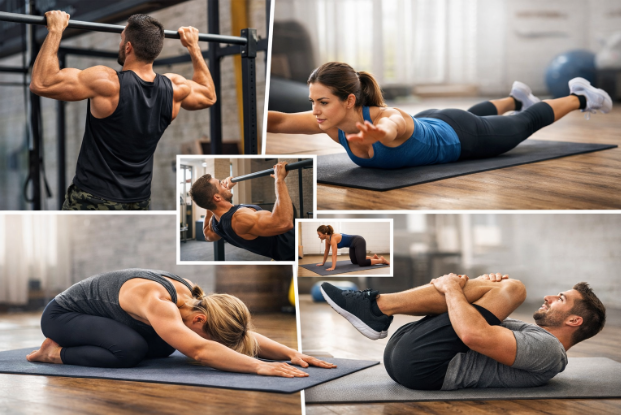
Maintaining a strong and flexible back is essential for overall health and mobility. Many people experience back discomfort due to sedentary lifestyles, poor posture, or lack of targeted exercise. Incorporating calisthenics exercises for back and lower back stretches to reduce pain can be highly effective in building strength, improving flexibility, and preventing injuries. This article explores practical exercises and stretches that anyone can perform at home or in the gym to support a healthier back.
Understanding the Importance of Back Strength
A strong back not only improves posture but also supports core stability, which is crucial for daily activities like lifting, bending, and even sitting for long periods. Weak back muscles can lead to chronic pain, limited mobility, and a higher risk of injury. Calisthenics exercises for the back are particularly beneficial because they focus on functional strength, using your body weight rather than heavy gym equipment. This approach allows you to engage multiple muscle groups, including the lats, traps, rhomboids, and erector spinae, promoting balanced development and long-term back health.
Strengthening your back also helps reduce strain on other areas of the body. For instance, a strong back can prevent overcompensation by the shoulders or hips, which is often a cause of joint discomfort. By integrating calisthenics exercises back into your routine, you create a foundation for better posture, improved performance in other sports, and enhanced overall well-being.
Top Calisthenics Exercises for Back Strength
Calisthenics exercises for the back are versatile, require minimal equipment, and can be tailored to different fitness levels. Here are some highly effective exercises to include in your routine:
Pull-Ups
Pull-ups are a classic back-strengthening exercise that targets the lats, traps, and biceps. To perform a pull-up:
- Grip a pull-up bar with your palms facing away from you, hands slightly wider than shoulder-width.
- Hang with your arms fully extended.
- Pull yourself up until your chin clears the bar.
- Lower yourself slowly back to the starting position.
For beginners, assisted pull-ups using resistance bands or a chair can help build strength gradually. Incorporating pull-ups into your workout routine enhances upper body strength and improves overall posture.
Inverted Rows
Inverted rows are another effective calisthenics exercise for the back. They target the mid-back muscles and help improve scapular stability. To perform an inverted row:
- Set a barbell or TRX straps at waist height.
- Lie underneath the bar and grip it with hands slightly wider than shoulder-width.
- Keep your body straight, with your heels on the ground.
- Pull your chest toward the bar while squeezing your shoulder blades together.
- Lower yourself back down slowly.
Inverted rows are gentle on the lower back while still providing a solid workout for the upper and middle back muscles.
Superman Exercise
The superman exercise is simple yet effective for strengthening the lower back. It focuses on the erector spinae and helps reduce the risk of lower back pain. To perform the superman:
- Lie face down on a mat with your arms extended in front of you.
- Lift your arms, chest, and legs off the ground simultaneously.
- Hold this position for a few seconds while contracting your back muscles.
- Slowly lower your body back to the mat.
This exercise can be done anywhere and is especially helpful for those experiencing mild lower back stiffness.
Reverse Snow Angels
Reverse snow angels improve shoulder mobility while targeting the upper and mid-back muscles. To perform them:
- Lie face down on a mat with your arms by your sides, palms facing down.
- Slowly lift your arms off the ground and move them in an arc, as if making a snow angel, until they are overhead.
- Bring your arms back down slowly, maintaining tension in your back muscles.
This movement strengthens the upper back and promotes better posture, which can reduce strain on the lower back.
Essential Lower Back Stretches to Reduce Pain
Stretching is crucial for relieving tension and preventing back injuries. Lower back stretches to reduce pain help improve flexibility, increase blood flow, and relax tight muscles. Incorporating these stretches into your routine after calisthenics exercises can significantly enhance recovery and comfort.
Child’s Pose
Child’s pose is a gentle stretch that elongates the spine and relieves tension in the lower back. To perform this stretch:
- Kneel on the floor and sit back on your heels.
- Stretch your arms forward and lower your chest toward the ground.
- Hold the position for 30 to 60 seconds while breathing deeply.
This stretch is ideal for decompressing the spine and calming the nervous system, making it a perfect addition to a post-workout routine.
Cat-Cow Stretch
The cat-cow stretch increases spinal flexibility and promotes circulation in the back muscles. To perform it:
- Start on all fours with your wrists under your shoulders and knees under your hips.
- Inhale as you arch your back, lifting your head and tailbone (cow position).
- Exhale as you round your back, tucking your chin and pelvis (cat position).
- Repeat for 10 to 15 cycles.
This dynamic stretch warms up the spine and helps release tension in the lower back, reducing stiffness and discomfort.
Seated Forward Bend
The seated forward bend stretches the lower back and hamstrings, which are often tight and contribute to back pain. To perform this stretch:
- Sit on the floor with your legs extended straight in front of you.
- Reach forward toward your toes, keeping your back as straight as possible.
- Hold the stretch for 20 to 40 seconds, breathing deeply.
This stretch not only relieves lower back tension but also improves flexibility in the hamstrings and hips, enhancing overall mobility.
Knee-to-Chest Stretch
The knee-to-chest stretch is a simple and effective way to release tension in the lower back. To perform it:
- Lie on your back with your knees bent and feet flat on the floor.
- Bring one knee toward your chest, holding it with both hands.
- Hold for 20 to 30 seconds, then switch legs.
- For a deeper stretch, bring both knees to your chest simultaneously.
This stretch helps relax tight muscles and supports the natural curvature of the spine, reducing discomfort.
Creating a Balanced Routine
Combining calisthenics exercises for back with lower back stretches to reduce pain creates a well-rounded routine that strengthens muscles and enhances flexibility. A sample weekly schedule could include three days of back-focused calisthenics exercises, with stretching performed before and after each session. For optimal results:
- Start with a warm-up of light cardio or dynamic stretching.
- Perform 3 to 4 sets of each calisthenics exercise, adjusting repetitions based on your fitness level.
- Finish with static stretches for the lower back to promote recovery.
Consistency is key. Even short, daily sessions of targeted exercises and stretches can lead to noticeable improvements in strength, posture, and pain relief over time.
Lifestyle Tips to Support Back Health
Exercise and stretching alone may not be sufficient for a healthy back. Incorporating lifestyle changes can further enhance results:
- Maintain proper posture while sitting or standing to reduce unnecessary strain.
- Take regular breaks from prolonged sitting, walking, or stretching every hour.
- Sleep on a supportive mattress that keeps your spine aligned.
- Stay hydrated and follow a balanced diet to support muscle recovery and overall health.
By integrating these habits with calisthenics exercises for back and lower back stretches to reduce pain, you create a comprehensive approach to long-term back wellness.
Embracing a Stronger, Pain-Free Back
Prioritizing back health through calisthenics exercises and targeted stretches offers numerous benefits. Not only do these practices strengthen muscles, but they also improve flexibility, posture, and overall quality of life. Starting with manageable exercises and gradually increasing intensity allows anyone to experience the rewards of a stronger, more resilient back.
Remember, a strong and flexible back is the foundation for a more active, pain-free lifestyle. Incorporating calisthenics exercises for back and lower back stretches to reduce pain into your daily routine can prevent discomfort, enhance performance in other activities, and promote long-term wellness. By committing to regular practice and mindful movement, you can enjoy the freedom of a healthy, agile back for years to come.