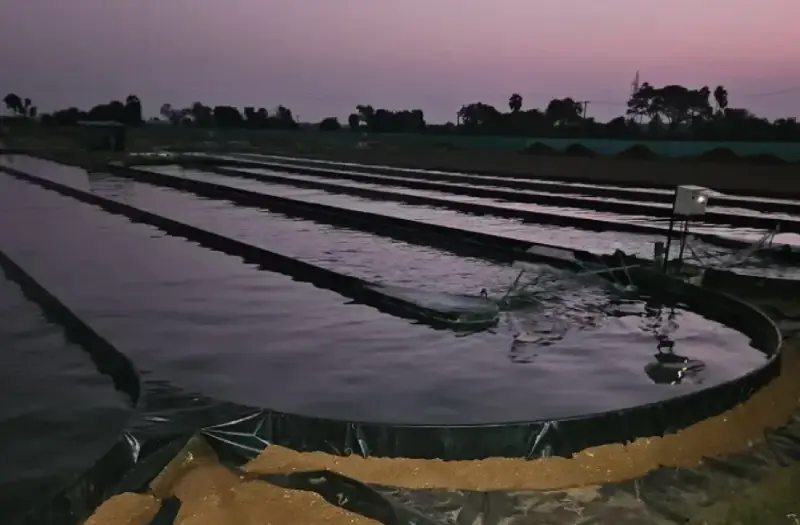
In recent years, the demand for spirulina, a nutrient-rich superfood, has surged due to its health benefits and potential as a sustainable protein source. Spirulina is a type of blue-green algae known for its exceptional nutritional profile. It is packed with protein, vitamins, minerals, and antioxidants, making it a popular supplement for vegetarians, athletes, and health-conscious individuals. Beyond its nutritional value, spirulina cultivation has significant environmental benefits—it requires minimal land and water compared to traditional crops, and it can thrive in harsh environments where other crops struggle.
Understanding Spirulina Cultivation
Spirulina farming solution involves growing and harvesting spirulina in controlled environments like ponds or tanks. The algae are photosynthetic, meaning they use sunlight to produce energy and nutrients. To cultivate spirulina successfully, farmers need to provide optimal conditions including sunlight, nutrients, and proper water quality. Spirulina’s ability to photosynthesize and grow rapidly in nutrient-rich water makes it suitable for cultivation in various climates and locations around the world.
Introduction To Spirulina: Benefits And Importance
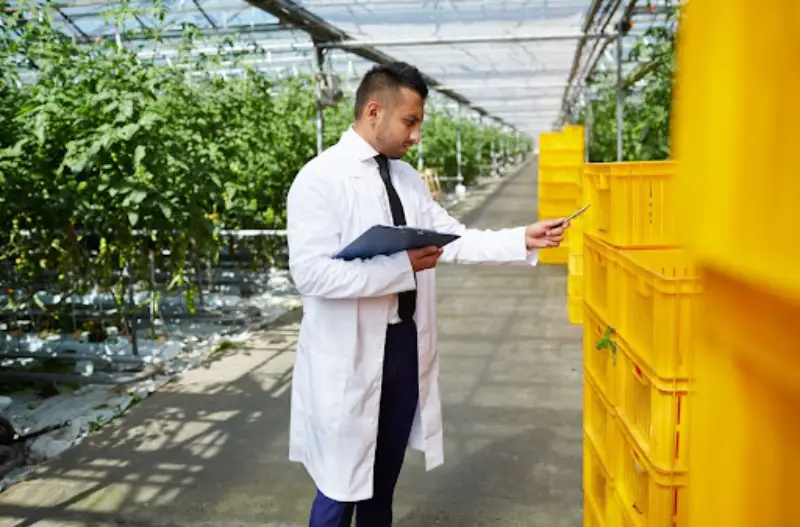
Spirulina is highly regarded for its numerous health benefits. It is a complete protein source, containing all essential amino acids needed by the human body. Additionally, spirulina is rich in vitamins, particularly B vitamins and beta-carotene, as well as essential minerals like iron and magnesium. Its antioxidant properties contribute to overall health and immune function. As a sustainable food source, spirulina offers a way to address global nutrition challenges while minimizing environmental impact.
The Basics Of Spirulina Farming: What You Need To Know?
To embark on spirulina farming, farmers require a basic understanding of algae biology and cultivation techniques. Spirulina thrives in warm, alkaline waters and requires constant mixing to prevent sedimentation and ensure uniform exposure to sunlight. Farmers must also maintain appropriate pH levels and nutrient concentrations to support optimal growth. Harvesting spirulina involves filtration and drying processes to convert the algae into a usable product.
Choosing Sustainable Farming Practices
Sustainability is crucial for the spirulina industry to thrive without harming the ecosystem. Overexploitation of resources or pollution can disrupt the delicate balance required for successful algae cultivation. Sustainable practices not only benefit the environment but also contribute to the quality and reputation of the spirulina product. By embracing eco-friendly approaches, farmers can ensure the long-term viability of their operations and contribute to a healthier planet.
Eco-Friendly Approaches In Spirulina Farming
The key to sustainable spirulina farming solution lies in minimizing environmental impact while maximizing productivity. This includes using renewable energy sources, conserving water, and reducing waste. By adopting eco-friendly practices, farmers can ensure the long-term viability of spirulina cultivation without depleting natural resources. For example, integrating solar panels to power algae production or utilizing rainwater for irrigation are effective ways to reduce carbon footprint.
Optimizing Farm Layout For Efficiency
Efficient farm layout is essential for maximizing production and minimizing resource use. By organizing ponds or tanks strategically, farmers can make the most of available space and sunlight. This may involve implementing vertical farming techniques or utilizing natural topography to create optimal conditions for spirulina growth. Careful planning and design can significantly enhance productivity while minimizing the ecological footprint of spirulina farms.
Designing Your Spirulina Farm: Layout And Setup
The design and setup of a spirulina farm require careful consideration of environmental factors and operational efficiency. Farmers should select a site with ample sunlight and access to clean water sources. Ponds or tanks should be constructed with materials that are safe for aquatic life and durable against outdoor conditions. Implementing efficient water circulation systems and nutrient management strategies is essential for maintaining a healthy algae culture.
Maximizing Space: Vertical Farming Techniques For Spirulina
Vertical farming is a space-efficient technique that involves stacking cultivation trays vertically. This method allows farmers to produce more spirulina per square meter compared to traditional horizontal ponds. It’s particularly useful for urban farms or areas with limited land availability. By utilizing vertical space effectively, farmers can optimize production capacity while minimizing land use and energy consumption.
Utilizing Natural Resources Responsibly
Harnessing natural resources like sunlight and water responsibly is fundamental to eco-friendly spirulina farming. Instead of relying solely on artificial lighting, positioning ponds or tanks to maximize exposure to sunlight can reduce energy consumption. Similarly, using rainwater or recycled water minimizes the strain on freshwater sources. By integrating renewable resources into spirulina farming solution practices, farmers can operate sustainably and reduce their ecological footprint.
Harnessing Solar Energy For Spirulina Cultivation
Solar energy is a clean and renewable power source that can be harnessed to reduce the carbon footprint of spirulina farms. Installing solar panels to generate electricity for farm operations reduces reliance on fossil fuels and minimizes greenhouse gas emissions. By embracing solar energy, farmers can significantly lower their operational costs while contributing to a more sustainable spirulina industry.
Water Conservation Methods In Spirulina Farming
Water conservation is a critical aspect of sustainable spirulina farming. Techniques such as closed-loop systems or recirculating water minimize evaporation and reduce the need for fresh water inputs. Additionally, optimizing water quality through filtration and monitoring ensures optimal growing conditions for spirulina. By implementing water-saving strategies, farmers can preserve valuable freshwater resources and operate more efficiently.
Maintaining Water Quality And Purity
Water quality directly impacts spirulina growth and product quality. Contaminants or imbalances in water chemistry can hinder algae growth and lead to lower yields. Implementing effective filtration systems and regular monitoring protocols is essential to maintain clean and nutrient-rich water for spirulina cultivation. By prioritizing water quality and purity, farmers can produce high-quality spirulina while safeguarding aquatic ecosystems and consumer health.
Importance Of Clean Water In Spirulina Cultivation
Clean water is the lifeblood of spirulina cultivation. Algae are highly sensitive to pollutants, heavy metals, and microbial contamination. Using clean water from sustainable sources and treating wastewater responsibly are crucial steps in minimizing environmental impact and ensuring a safe final product. By prioritizing water quality, farmers can optimize spirulina production and contribute to a healthier environment.
Effective Water Filtration Systems For Sustainable Farming
Investing in advanced water filtration systems is a proactive measure for sustainable spirulina farming. Technologies such as UV sterilization, sand filters, and biofiltration can remove impurities and pathogens from water, promoting healthier algae growth and reducing the risk of contamination. By integrating robust filtration systems into farm operations, farmers can enhance the sustainability and resilience of their spirulina cultivation.
Conclusion
Adopting eco-friendly spirulina farming solution is not only beneficial for the environment but also essential for the long-term success of the spirulina industry. By prioritizing sustainability through responsible resource management, efficient farm design, and innovative technologies, farmers can ensure a healthy harvest of this valuable superfood while preserving our planet’s natural resources for future generations. As demand for spirulina continues to rise, sustainable practices will play a vital role in meeting global nutritional needs without compromising the health of our ecosystems. By working together towards a more sustainable future, we can cultivate spirulina in harmony with nature and reap the benefits of a healthier planet.