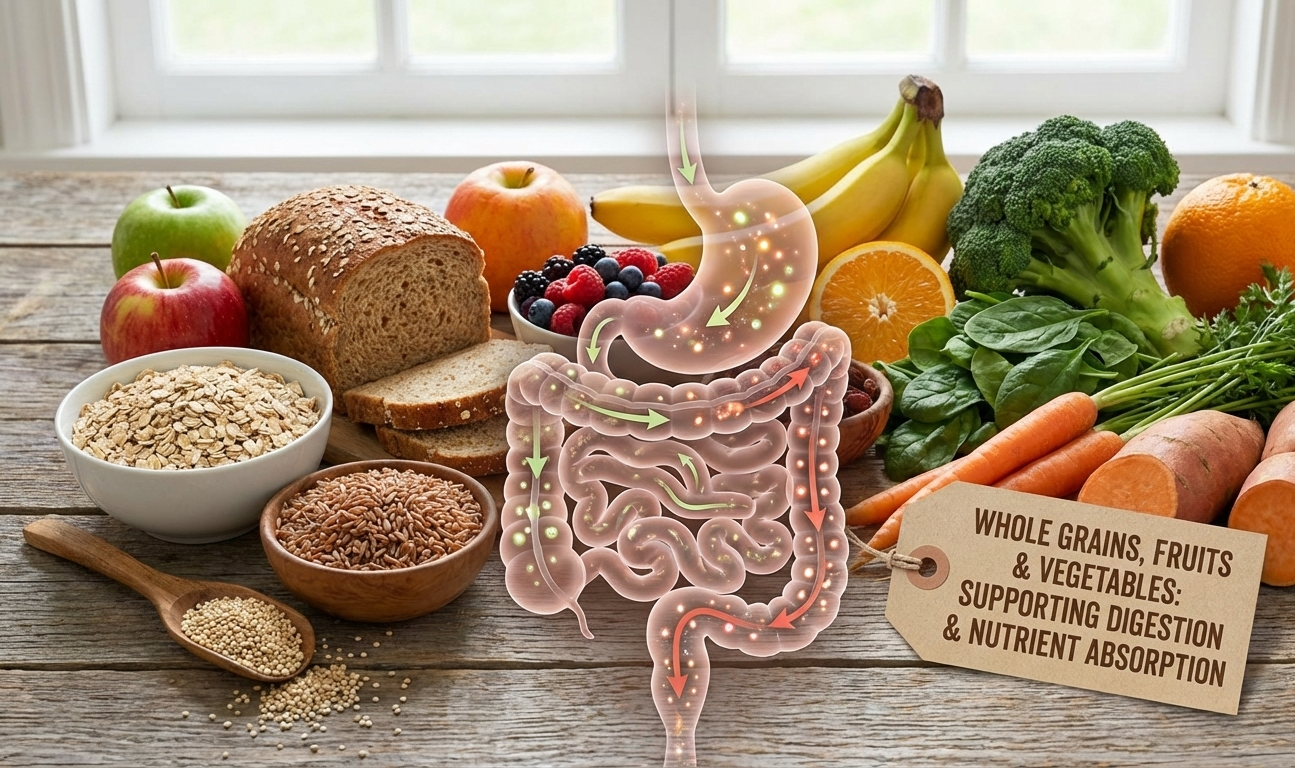
Optimal digestion is the key to health. Each time we consume food, a complicated sequence of actions initiating the breakdown of food, extraction of nutrients, and waste disposal is triggered. The digestive system functions effectively hence the body gets its fuel to run properly. In absence of this, pain, swelling or constipation can occur.
It is imperative to learn the linkage between nutrition and digestion and nutrient absorption in order to develop long-term well-being strategies. Some of the foods facilitate easy digestive processes and some might cause irritation to the digestive system. This guide identifies the type of foods that can improve digestive performance and elaborates on the way to build a balanced diet that is digestion friendly
The Effect of Food on the Digestive System
The digestive system digests food down to smaller elements enabling the nutrients to be absorbed into blood. This is done by mechanical degradation, chemical digestion by enzymes and intestinal absorption.
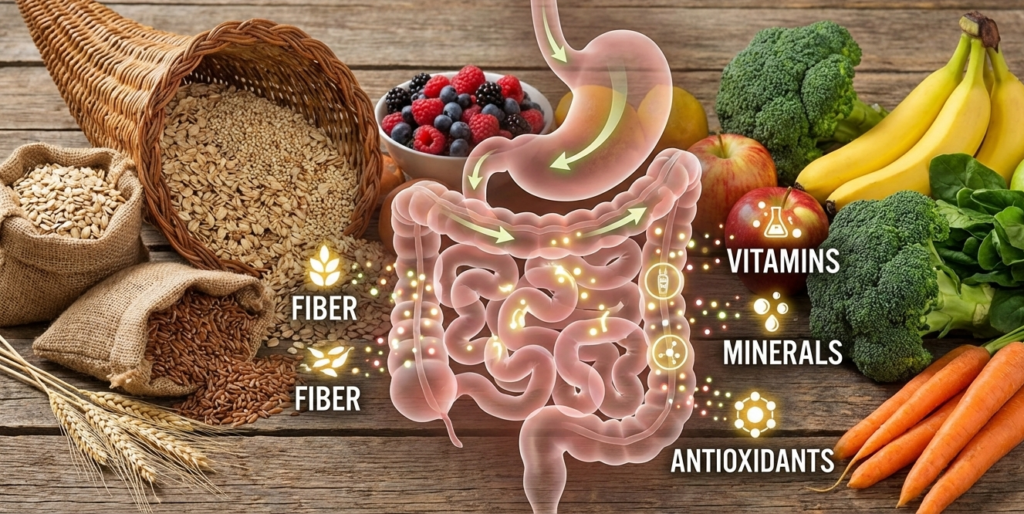
The degree of food quality has a direct influence on the ease of this process. High-fiber, natural enzyme, and useful bacteria meal supplements aid the intestinal motility and the balance of the microbes. Conversely, foods with a high amount of processes or containing too much fats might slow down the digestion or cause discomfort.
It is unnecessary to limit one to some restrictive dieting when selecting the right food. Rather, it entails knowing what foods work in harmony with the digestive functions in the body.
Whole Grains: The Digestive Health Foundation
Why Whole Grains Matter
Whole grains do not lose any part of the grain kernel such as the bran or the germ. These ingredients contain high amounts of fibers, vitamins and minerals that aid in regularity of the digestion system.
Whole grains enhance stool bulk and the efficient movement of food along the intestines unlike refined grains where much of the fiber is removed. It helps to decrease the chances of constipation and maintain regular bowel patterns.
Examples of Healthy whole grains
- Oats
- Brown rice
- Quinoa
- Whole wheat
- Barley
Whole grains added to the daily meals will stabilize the digestive process and give long-lasting energy.
Fruits: Natural Support of the Digestive Balance
Fruits also have fiber, water and natural sugars which aid in the movement of the digestive system. Their fiber content prevents constipation whereas their water content prevents the stool softness.
High-Fiber Fruit Choices
Good sources of soluble and insoluble fiber are apples, pears, berries, and oranges. Soluble fiber is a gel-like material that is created in the intestines and it slows the digestion process a notch higher and helps in the uptake of nutrients. Fiber that cannot be digested makes the bowel movements bulky and facilitates their evacuation.
Some of the fruits including papaya and pineapple also have natural enzymes that help in digesting proteins.
Frequent intake of fruits helps to achieve comfort in the digestive system and the overall balance of the diet.
Vegetables: Necessary to Intestinal Operation
Vegetables contain very important vitamins, minerals, antioxidants, and fiber. They are prominent in the modulation of digestion.
Fiber-Rich Vegetables
The vegetables that promote the health of the intestines are leafy greens, carrots, broccoli, Brussels sprouts, and zucchini. Their fiber level causes motion along the alimentary tract.
The foods cooked can have an impact on digestibility. Making vegetables steak-soft can be an option to people with sensitive stomachs that will enhance tolerance and still retain nutrients.
Different vegetable consumption is the assurance of different nutrients and a healthy gut flora.
The Fiber Role in the Digestive Health
Fiber is among the most valuable constituents of the digestive efficiency. The body does not digest it but is structurally involved in their stool formation and intestinal movement.
There are two major types of fiber:
Soluble Fiber
Soluble fiber can be dissolved in water and it acquires a gel-like texture. It aids in the normal digestion and could be used to normalize bowel movements.
The sources are oats, legumes, apples, and flaxseeds.
Insoluble Fiber
The insoluble fiber gives food volume and speed to stool, passing through the intestines.
Examples of sources are whole grains, nuts, and a wide variety of vegetables.
It is important to balance between the two types of fibre. Progressive increases in fiber consumption with proper hydration cause comfort and avoidance of bloating.
Probiotics: Healthy Gut Microbiome
Trillions of positive bacteria can be found in the intestines. These microorganisms assist in the breakdown of some nutrients, vitamin synthesis and intestinal balance.
Probiotics are active positive bacteria present in some foods. They help in the increase of microbial diversity and can help lessen digestive discomfort.
Foods Rich in Probiotics
- Yogurt with live cultures
- Kefir
- Sauerkraut
- Kimchi
- Fermented vegetables
Frequent intake of foods containing probiotics can promote the resilience of the intestine and enhance the normalcy of the digestive process.
Digestive Efficiency and Hydration
Water is essential in digestion. It breaks down nutrients and aids in the movement of nutrients within the body. Proper hydration also smears stool making it soft and eliminating chances of constipation.
Water and fiber interact. Fiber can be a source of discomfort instead of pain unless it is supplemented by an adequate fluid intake.
Keep on hydrating throughout the day assists in a healthy digestion process.
Foods with Potential to Cause Digestive Upsets
Although most foods are beneficial to the digestive system, others can cause bloats, gasses, and irritations in some people.
- Highly Processed Foods
High-fat foods containing artificial additives and low fiber may decrease digestion and bio-diversity of microbes.
- Excessively Fatty Meals
Fried or greasy foods in large quantities may slow the emptying of stomach resulting in feelings of being heavy or indigestible.
- Carbonated Beverages
Carbonation adds gas to the digestive system, which is likely to lead to bloating.
- Excess Sugar
Excess sugar consumption can cause changes in gut bacteria and be the cause of digestive abnormalities.
The tolerance is subject to differentiation. Dietary changes can be facilitated by mindful observation to identify the personal triggers.
Constructing a Digestion-Friendly Diet
Developing a healthy eating plan does not involve the use of complicated guidelines. Rather, it entails the focus on whole, minimally processed food.
Practical Guidelines
- Eat whole grains on a daily basis.
- Add different fresh fruit and vegetables.
- Eat probiotic-containing foods so that they become a routine.
- Increase fiber gradually.
- Drink sufficient water.
- Restrict high processed and fatty foods.
It is not the perfection but rather the consistency. Limited habits in everyday life add up to contribute to the health of the digestive system.
Eating Timing and Meal Patterns
Other than food choices, food habits contribute to digestive comfort.
Gradual eating enables the action of enzymes to work effectively. There is thorough chewing that weakens the work of the stomach.
Timely interval between meals will avoid congestion of the digestive system. Massive amounts can raise the processing of discomfort whereas medium amounts can facilitate easier processing.
The mindful eating promotes the realization of signals of hunger and fullness.
Exercise and Gastrointestinal System
Exercise activates intestinal muscles. Exercise helps in the maintenance of a regular bowel and slows down slow digestion.
Even the moderate exercises, like a walk after meals, can aid in the comfort of the digestive system.
Eating healthy and maintaining a regular exercise regimen improves the digestive power.
Prolonged Health Advantages of Dietary Friendliness
Records of eating habits that are conducive to digestion can provide a long-term payoff. Better bowel movements, less bloating and greater nutrient absorption lead to total vitality.
A healthy digestive system helps the body to better absorb required nutrients and to help the body to stay energetic.
Having a moderate dietary habit leads to not only digestive wellness but also to the general wellness of the health.
Conclusion
The foods eaten on a daily basis directly affect the efficiency of digestion. Fruits, vegetables, fiber, and probiotics are whole grains, which aid in the movement of the intestines, the balance of microbes, and the absorption of nutrients. Concurrently, the risk of digestive discomfort can be minimized by minimizing processed and overly fatty food.
Knowing the effects of diet on the digestive system, people could make sound choices that will help them feel comfortable and live a healthy life. A diet designed to be easy to digest is a viable, long-term strategy of assisting the digestive system to work properly with food.