The UK hospitality industry is undergoing a rapid digital transformation. Over the past few years, restaurants, cafés, pubs, and hotels have increasingly adopted digital technologies to improve customer experience, streamline operations, and remain competitive in a fast-changing market. One of the most visible and impactful changes has been the widespread adoption of digital menus powered by QR codes and cloud-based platforms.
Digital menus are no longer just a temporary solution introduced during the pandemic. In the UK, they have become a long-term technology trend driven by customer expectations, tourism growth, and the need for operational flexibility. Guests now expect fast access to menus on their own devices, instant language switching, accurate pricing, and up-to-date information without delays.
From a technological standpoint, modern digital menu systems are built with performance and accessibility in mind. Lightweight templates, optimised assets, and content delivery networks ensure menus load instantly even on slow mobile connections. This is especially important in busy city centres, tourist areas, and venues with high foot traffic where network quality can vary significantly.
One of the key advantages of advanced digital menu platforms is the availability of professionally designed menu templates that adapt seamlessly to different screen sizes. Solutions like restaurant menu templates optimised for mobile devices allow venues to present dishes in a visually appealing and structured way while maintaining excellent loading speed and usability across smartphones and tablets.
https://restsify.com/en/solutions/menu-templates
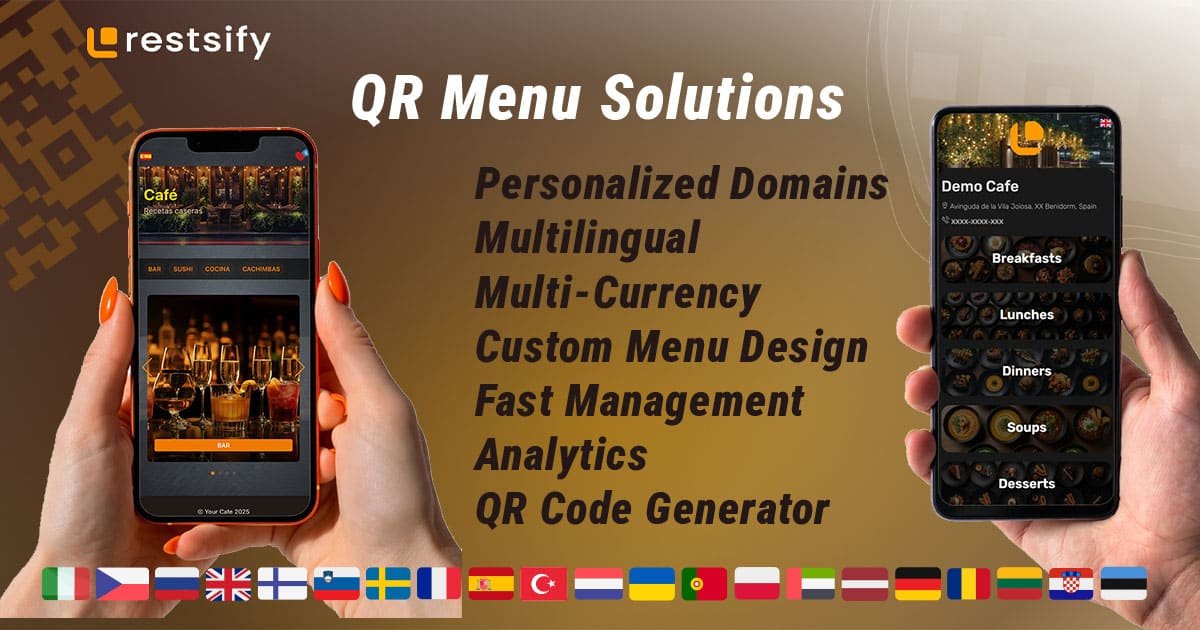
Another important factor influencing adoption in the UK is the growing number of international visitors. Restaurants in London, Manchester, Edinburgh, and other tourist hotspots increasingly need to communicate with guests from different countries. Multilingual digital menus solve this challenge by automatically displaying content in the visitor’s preferred language, improving understanding and increasing order confidence. This technology reduces misunderstandings, enhances accessibility, and contributes to a more inclusive dining experience.
Beyond language support, modern platforms also address pricing transparency. With rising costs and currency fluctuations affecting international travellers, multi-currency menus have become an important feature. Displaying prices in familiar currencies helps visitors better understand costs and makes the overall experience more comfortable, particularly in tourist-heavy locations.
Digital menu technology also provides valuable insights for restaurant owners. Built-in analytics tools allow businesses to track menu views, popular items, device types, and visitor behaviour patterns. These data points help owners make informed decisions about menu structure, pricing strategies, and promotional campaigns without relying on guesswork or manual feedback.
Another emerging trend in the UK market is the use of personalised domains and short URLs for menus. Instead of relying on generic links, restaurants can create branded, memorable menu addresses that are easy to scan, share, and print on table tents or takeaway packaging. This improves brand recognition and creates a more professional digital presence across both physical and online touchpoints. Digital menu platforms offering personalised menu domains are becoming increasingly popular among independent restaurants and restaurant groups alike.
Importantly, modern digital menu solutions are designed with scalability in mind. Whether a single café or a multi-location restaurant chain, cloud-based systems allow instant updates, centralised management, and consistent branding across all venues. Menu changes, price updates, and seasonal offers can be applied in seconds without reprinting costs or operational disruption.
As technology continues to reshape the hospitality sector, digital menus are becoming a standard rather than a novelty. In the UK, where competition is high and customer expectations continue to evolve, investing in a flexible and performance-focused digital menu system is no longer optional — it is a strategic decision.
Platforms that combine speed, multilingual support, custom design, and analytics provide restaurants with the tools they need to adapt, grow, and deliver a modern dining experience. As digital adoption accelerates, these technologies will play an increasingly central role in how restaurants communicate with their guests and operate efficiently in a digital-first environment.
https://restsify.com/en/solutions/multilingual-menus
To explore a broader overview of how these features work together within a single ecosystem, many hospitality professionals are now turning to comprehensive digital menu solutions that integrate design, analytics, and localisation into one platform.
https://restsify.com/en/solutions