In today’s digital-first world, cyber threats are evolving faster than ever. Organizations across industries are facing sophisticated attacks that require more than just basic defense strategies. This is where Cybersecurity Training plays a crucial role. For professionals looking to stay ahead, mastering advanced tools and techniques is no longer optional—it’s essential.
Whether you’re an aspiring cybersecurity analyst or an experienced IT professional, upgrading your skills through advanced Cybersecurity Training can significantly boost your career and effectiveness in protecting systems and data.
Why Advanced Cybersecurity Training Matters
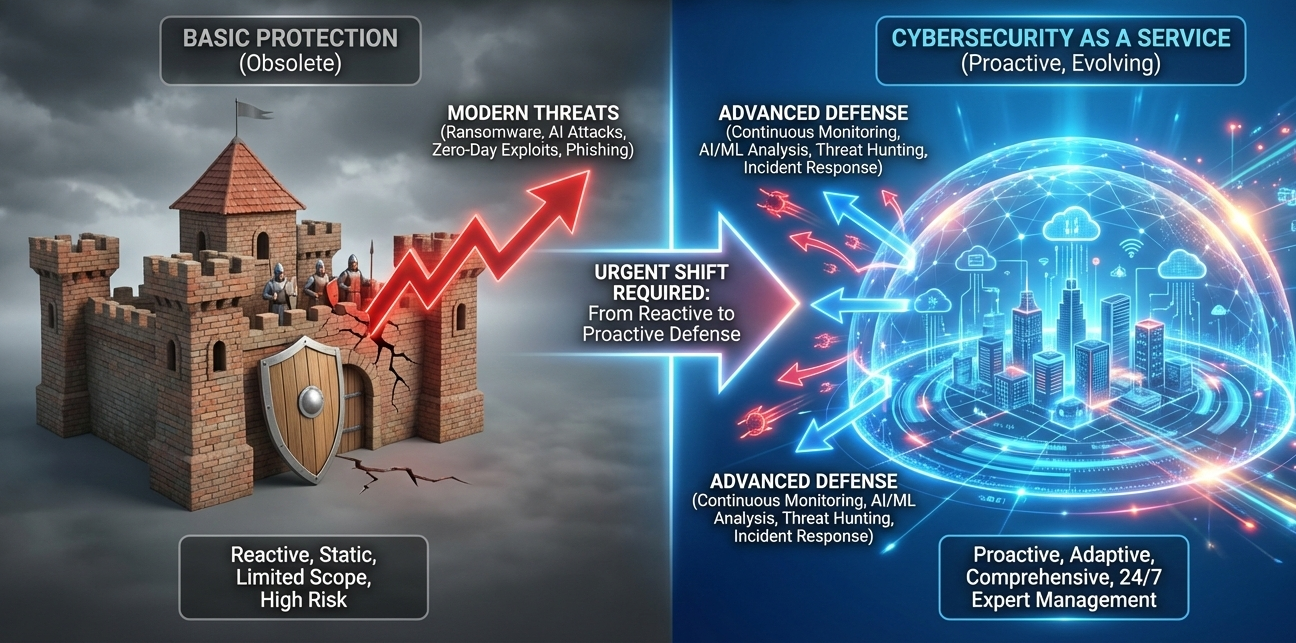
Basic knowledge of firewalls, antivirus software, and network security is just the starting point. Modern cyber threats involve complex attack vectors such as ransomware, zero-day vulnerabilities, and advanced persistent threats (APTs). To combat these, professionals need hands-on experience with advanced tools and real-world techniques.
Cybersecurity Training equips learners with:
- Deep understanding of modern attack strategies
- Practical experience with industry-grade tools
- Knowledge of threat detection and response
- Skills to secure cloud, networks, and applications
Advanced training ensures you’re not just reacting to threats but proactively preventing them.
Essential Advanced Cybersecurity Tools
To become a skilled cybersecurity professional, you must be familiar with a wide range of tools used in real-world environments. Here are some of the most important categories:
1. Penetration Testing Tools
Penetration testing (ethical hacking) is a critical part of cybersecurity. It helps identify vulnerabilities before attackers exploit them.
Key tools include:
- Network scanners for identifying open ports and services
- Exploitation frameworks for testing vulnerabilities
- Password cracking tools for testing authentication strength
Learning how to use these tools effectively is a core part of advanced Cybersecurity Training.
2. Security Information and Event Management (SIEM)
SIEM tools collect and analyze data from across an organization’s infrastructure. They help detect suspicious activities and respond quickly to threats.
With Cybersecurity Training, professionals learn how to:
- Monitor real-time security alerts
- Analyze logs and detect anomalies
- Respond to incidents efficiently
3. Vulnerability Assessment Tools
These tools scan systems, networks, and applications for known vulnerabilities.
Advanced Cybersecurity Training teaches you to:
- Run automated vulnerability scans
- Interpret scan results
- Prioritize and remediate risks
4. Endpoint Detection and Response (EDR)
EDR tools provide visibility into endpoint activities and help detect threats like malware and ransomware.
Professionals trained in EDR can:
- Investigate suspicious behavior
- Contain threats quickly
- Prevent data breaches
5. Network Security Tools
Securing networks is a fundamental responsibility. Advanced tools help monitor traffic, detect intrusions, and enforce policies.
Cybersecurity Training covers:
- Intrusion Detection Systems (IDS)
- Intrusion Prevention Systems (IPS)
- Packet analysis tools
Advanced Cybersecurity Techniques
Tools alone are not enough. Professionals must also master techniques that allow them to think like attackers and defenders.
1. Threat Hunting
Threat hunting involves proactively searching for hidden threats within a network.
Through Cybersecurity Training, you learn:
- How to identify unusual patterns
- How to use data analytics for threat detection
- How to uncover stealthy attacks
2. Incident Response
No system is completely immune to attacks. Incident response ensures quick recovery and minimal damage.
Advanced Cybersecurity Training includes:
- Creating incident response plans
- Performing digital forensics
- Managing breach containment and recovery
3. Malware Analysis
Understanding how malware works is key to defending against it.
Training helps professionals:
- Analyze malicious code
- Identify attack behavior
- Develop countermeasures
4. Cloud Security Techniques
As businesses move to the cloud, securing cloud environments has become critical.
Cybersecurity Training teaches:
- Identity and access management (IAM)
- Cloud configuration security
- Data protection strategies
5. Zero Trust Security Model
The Zero Trust approach assumes that no user or system should be trusted by default.
Professionals learn to:
- Implement strict access controls
- Verify every request
- Minimize attack surfaces
Real-World Applications of Advanced Training
Advanced Cybersecurity Training prepares professionals for real-world scenarios such as:
- Preventing ransomware attacks
- Securing enterprise networks
- Protecting sensitive customer data
- Responding to live cyber incidents
Organizations today are actively seeking professionals who can apply these advanced techniques in real-time situations.
Career Benefits of Advanced Cybersecurity Training
Investing in advanced Cybersecurity Training can open doors to high-demand roles such as:
- Cybersecurity Analyst
- Penetration Tester
- Security Engineer
- Incident Response Specialist
- Cloud Security Expert
These roles not only offer competitive salaries but also long-term career growth. With cyber threats increasing globally, the demand for skilled professionals continues to rise.
How to Choose the Right Cybersecurity Training
Not all training programs are created equal. When selecting a course, consider the following:
- Hands-on labs and real-world projects
- Coverage of advanced tools and techniques
- Industry-relevant curriculum
- Expert instructors
- Job-oriented learning approach
A good Cybersecurity Training program should focus on practical skills rather than just theoretical knowledge.
Why JanBask Training Stands Out
When it comes to choosing a reliable and effective learning platform, JanBask Training stands out as one of the best online training providers for Cybersecurity Training.
Here’s why:
- Industry-focused curriculum designed by experts
- Hands-on experience with advanced tools
- Real-world case studies and projects
- Flexible online learning options
- Career support and job readiness programs
JanBask Training ensures that learners are not only trained but also prepared to handle real-world cybersecurity challenges confidently.
Final Thoughts
Cybersecurity is no longer a niche field—it is a critical necessity for every organization. As cyber threats become more advanced, professionals must continuously upgrade their skills through comprehensive Cybersecurity Training.
By mastering advanced tools and techniques such as penetration testing, threat hunting, SIEM, and cloud security, you can position yourself as a valuable asset in the cybersecurity landscape.
If you’re serious about building a successful career in this field, investing in the right Cybersecurity Training is the smartest move you can make. And with trusted platforms like JanBask Training, you can gain the expertise, confidence, and job-ready skills needed to excel in today’s competitive cybersecurity industry.