Cybersecurity is emerging as one of the most important issues of people, companies, and governments in an interconnected world. Digital technology has presented us with opportunities that have been exploited very fast but on the flip side, it has opened our privacy, financial status, and general digital well-being to numerous risks. Cybersecurity is important to know and also practice safe computing to take care of personal data and ensure systems and networks remain intact.
The purpose of this article is to teach the reader about the necessity of cybersecurity and define the most widespread cyber threats, as well as give real-world advice on how to be safe online. We can reduce the threat of attacks on the internet by adhering to simple rules of cybersecurity best practices and making an informed choice concerning our safety on the internet.
What is Cybersecurity?
Cybersecurity is the act of safeguarding computer systems, networks, and electronic information against cyber threats in the forms of hacking, computer viruses, and data leakage. It involves a series of practices, technologies, and measures that will help to deter unauthorized access, theft, and damage to sensitive information. As the use of the internet and digital platform continues to rise, cybersecurity has emerged as a significant component of ensuring the security and privacy of people, organizations and states.
Cybersecurity is not confined to technical solutions only, it also consists of user awareness, education, and behavior. Online security can be ensured through safe computing practices, including the use of strong passwords and carefulness of the phishing scams.
Common Cyber Threats
Technology is on the rise, and so is the way such cybercriminals operate. There is a continuous development of cyber threats, and it is necessary to learn about the threats and implement effective security. The following are some of the most frequently used cyber threats that one should be aware of.
Malware: Malicious Software
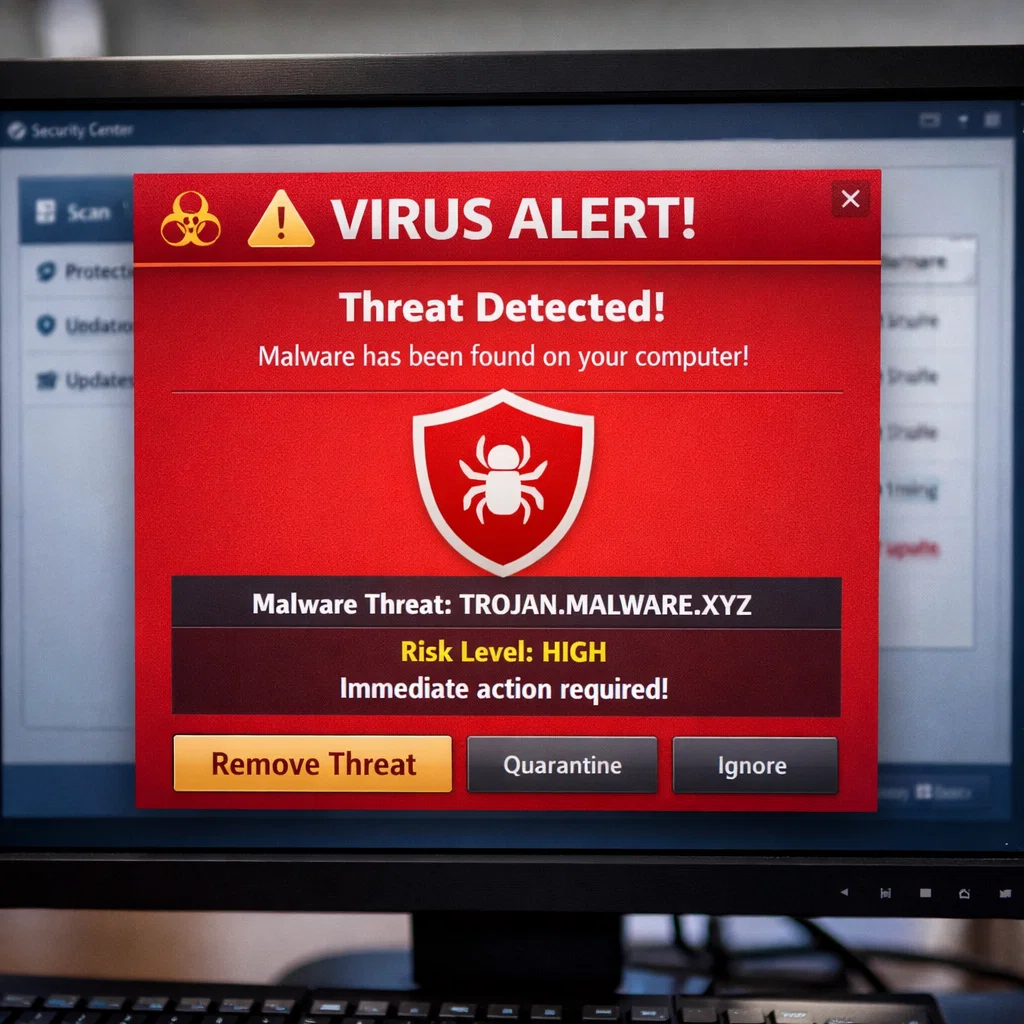
Malware is among the most common and common cyber threats. Any software that is deliberately created to harm a computer system, a network, or a device is referred to as malicious software. Malware may be of different types viruses, worms, Trojans, and ransomware.
- Viruses are harmful applications that copy and infect other systems.
- Worms are self replicating malware which can propagate within a network without human intervention.
- Trojans are malicious programs that masquerade as legitimate software, which can in most cases enable the hacker to have unauthorized access to the systems.
- A ransomware is malware software that encrypts the files of a user and requires payment to be decrypted.
The malware may be transmitted by infected email extensions, bad websites or malware downloads. Malware is capable of stealing sensitive information, breaking down files or interfering with the work of the system once it has been installed on a device.
Phishing Attacks

Phishing is a form of cyber attack that is associated with deceiving users into giving personal data, e.g., passwords, credit card or social security data. The attackers tend to use the name of legitimate organisations like a bank, online retailer or government agency and send spam e-mail or text messages that look credible.
Phishing emails tend to have links to counterfeit web pages or attachments that upon being clicked, steal data or install malwares. They can also employ urgency measures where they pretend an account has been hacked in order to compel people to act on the message without checking the authenticity of the message.
Data Breaches
A data breach is the occurrence of access, stealing, and exposure of sensitive information without permission. Such breaches may be as a result of cyberattacks, insider attacks or system vulnerabilities. Hackers are usually interested in personal information, financial documents, and log passwords.
Breach of data can be very detrimental to individuals and organizations. To individuals, breach may result in identity theft, loss of money or damage of reputation. To the businesses, it may lead to legal fines, loss of clients, and monetary damages.
Denial of Service (DoS) Attacks
A Denial of Service (DoS) attack is aimed at rendering the computer, network, or service unusable to the target users. During the DoS attack, attackers saturate a target system that has inadequate resources with traffic to the extent that it crashes and is no longer available. A more advanced type of the attack is Distributed Denial of Service (DDoS), wherein a series of compromised computers would be utilized to send the traffic.
DDoS can interrupt business and online services, as well as governmental institutions, creating a lot of downtime and cost loss. DoS attacks are not necessarily aimed at stealing data, but they can undermine the image of an organization and destroy the trust of customers.
Social Engineering
Social engineering is defined as the exploitation of people into sharing secret information or committing some actions that deteriorate the security. Social engineering takes advantage of human behavior as opposed to the traditional cyberattacks which are based on technical vulnerabilities.
Social engineering attacks can be:
- Pretexting: Attacker intends to obtain access to sensitive information because they are masquerading as someone who is trusted, typically by the target, e.g. a colleague or service provider.
- Baiting: Baiting is when an attacker makes an offer that is appealing such as free software or rewards to encourage victims to make actions that may expose their security.
- Quizzes and Surveys: Scammers can create fraudulent quizzes or surveys which can prompt users to provide personal data.
Fundamental Cybersecurity Best Practices
Online security takes not only awareness and vigilance but also some basic and yet effective security measures to protect yourself. The following are some of the basic guidelines that can be used in staying safe in regard to personal data and online resources.
Use Strong Passwords

Strong and unique passwords are one of the easiest and most efficient methods of securing your accounts and devices. The user should not use common passwords like 123456, password, etc., he should have a password that has a combination of both upper and lower case letters, numbers and symbols.
You can consider the use of a password manager to save and create secure passwords to every one of your accounts. This will prevent the use of similar passwords on different sites which is one of the weaknesses.
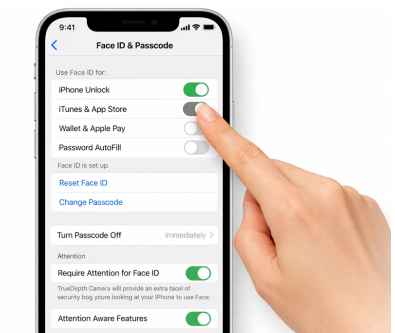
And Activate Two-Factor Authentication (2FA).
Two-Factor Authentication
Two-factor authentication provides an additional security to accounts that requires two types of identification: something you know (a password) and something you have (a mobile device or authentication app). The 2FA feature can be enabled on your Internet accounts to minimize the chances of unauthorized access.
Various services used by the masses, including email services, social media, and bank websites, have 2FA options. Always remember to make sure it is enabled where possible in order to make your account more secure.
Keep Software Up to Date
The hackers frequently use the loopholes in the old software to get unauthorized access to systems. As a precaution against such threats, make sure that your operating system and antivirus software and applications are never left without the most recent security patches.
The majority of software programs are automatically updated, and this feature might help you remain updated with security fixes. Otherwise, check on updates on a regular basis.
Be Wary of the E-mails and Hyperlinks
Generally, phishing attacks are propagated by email, thus one needs to be careful when taking unsolicited messages. When an email or a message is sent to you by a person you do not know, then you must not open any emails or file attachments without being sure it is genuine.
Assuming the email is purported to come from a reputable organization, like your bank, open their site (by typing the address in your browser) to verify that it has any warning or alert to provide, as opposed to following the links in the email.
Install Effective Anti-Virus Programs
It is important to install trusted antivirus programs that will be able to detect and prevent any malicious programs that may ruin your system. Antivirus software is used to detect threats, delete malicious files and offers real-time protection against malware, ransomware and other forms of attacks.
Ensure that your antivirus software is updated on a regular basis so that it can match fresh threats. Furthermore, have frequent scans of the system to identify and delete any malware that is under wraps.
Back Up Your Data
To make sure that your important files and data are saved, it is critical to frequently save them on a disc in an instance where your machine has been infected by ransomware or other malwares. Cloud storage services and external hard drives among other backup systems can be very useful in ensuring that you are not losing valuable information just in case of an attack.
A current backup of your data may also be helpful to accelerate the process of recovering the data in case of system failure or corruption of the data.
Introduction to Computer Science in Cybersecurity
In the creation of cybersecurity solutions, computer science is playing a central role. With the ever-evolving nature of cyber threats, computer scientists and other cybersecurity experts are constantly developing more advanced systems, algorithms, and technologies that can aid in detecting and repelling cyber threats.
Computer science has made important contributions to cybersecurity which include:
- Cryptography: This is the application of mathematical functions in encrypting information and in guaranteeing its secrecy. Secure communication and online transactions cannot have done without cryptography.
- Threat Detection: The creation of machine learning algorithms and artificial intelligence (AI) systems capable of identifying abnormalities in the network traffic and identifying possible threats.
- Network Security: Designing secure protocols, firewalls and intrusion detection systems to ensure networks are not accessed unauthorizedly and attacked.
- Ethical Hacking: Ethical hackers or white-hat hackers are skilled computer programmers or technical experts who employ
their expertise in testing the vulnerability of systems before it can be exploited by malicious hackers.
With the advent of new technologies, computer science is bound to be the leader in terms of cybersecurity innovation, and create newer ways to safeguard data and assure the security of digital systems.
Conclusion
Cybersecurity plays a very crucial role in our digital lives and the issue of us defending ourselves against cyber threats should only be achieved through awareness, education and safe practices in computing. Being familiar with general cyber threats like malware, phishing, and data breaches, users will be able to take the initiative to protect their personal data and online presence.
By integrating simple cybersecurity hygiene, e.g., strong passwords, two-factor authentication, and updated software may mitigate the threat of cyberattacks to a large extent. Also, the role of computer science in the invention of encryption, the threat-detection mechanism, and ethical hacking methods plays a significant role in the further development of cybersecurity and the protection of the digital realm.
With these tips, people and organizations are able to safeguard themselves against the ever-increasing number of cyber threats and have a safer and more secure experience on the Internet.