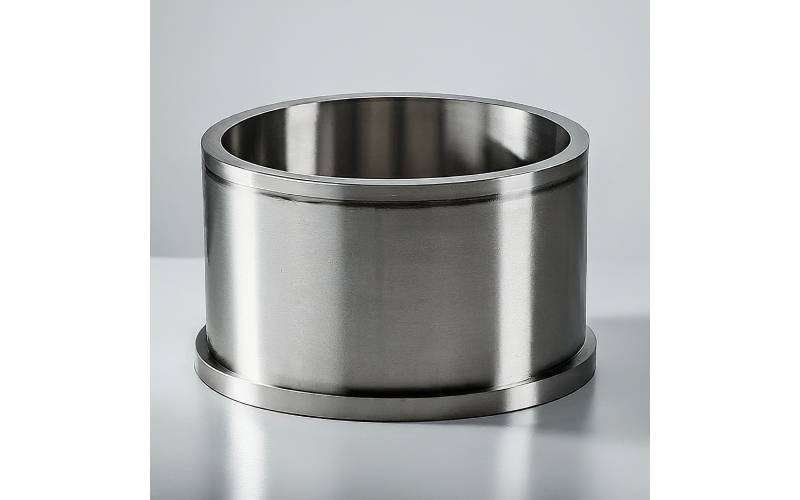
In the ever-evolving landscape of manufacturing, ensuring the quality and reliability of products is paramount. Custom machined components manufacturers play a crucial role in various industries, including aerospace, automotive, medical devices, and electronics, where precision and performance are non-negotiable. The complexity of modern machinery and equipment demands that components not only meet specific design specifications but also comply with rigorous testing standards. These standards ensure that parts function as intended under their intended conditions, which can include extreme temperatures, high pressures, and demanding operational environments. A comprehensive approach to testing is critical for custom machined components manufacturers to maintain high levels of quality and reliability. By implementing stringent testing protocols, these manufacturers can provide customers with confidence in the performance and longevity of their components, ultimately supporting the safe and efficient operation of the end products they contribute to.
Custom Machined Components Manufacturer Ensure Rigorous Testing Standards
Custom machined components manufacturer understand that rigorous testing standards are essential for delivering products that meet or exceed customer expectations. To achieve this, they adopt a systematic approach to quality control throughout the manufacturing process. This typically begins with the selection of high-quality materials and the use of advanced machining technologies, ensuring that the raw components are capable of withstanding the stresses they will encounter in their applications. After the initial production phase, manufacturers conduct a series of tests designed to evaluate the components’ mechanical properties, dimensional accuracy, and overall integrity. Common testing methods include tensile testing, hardness testing, and surface roughness measurements, among others. Furthermore, many manufacturers employ non-destructive testing techniques, such as ultrasonic or radiographic testing, to identify any internal flaws without damaging the components. By employing these comprehensive testing protocols, custom machined components manufacturers ensure that their products consistently meet the stringent standards demanded by their industries.
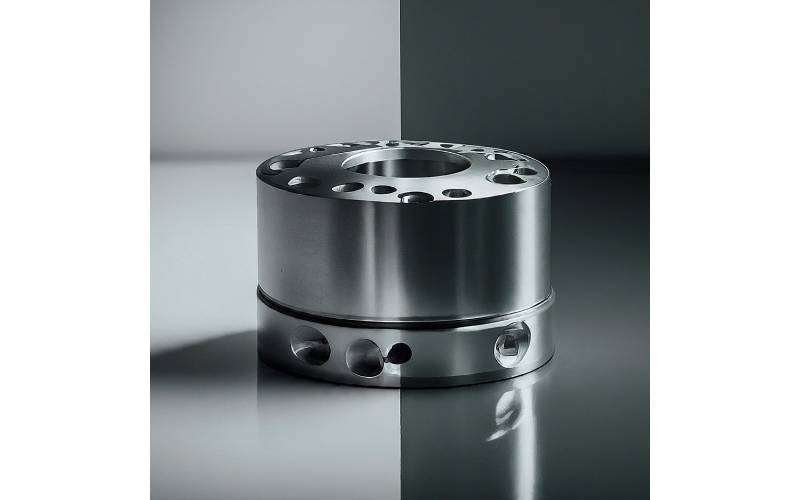
Custom Machined Components Manufacturer Focus On Quality And Reliability
The focus on quality and reliability is fundamental to the operations of custom machined components manufacturers. In sectors where precision is crucial, such as aerospace and medical, the consequences of manufacturing defects can be severe, impacting not only the functionality of the components but also the safety of end-users. To mitigate these risks, manufacturers implement quality management systems that are often certified to international standards such as ISO 9001. These systems provide a framework for continuous improvement, guiding manufacturers in establishing best practices for quality assurance. Regular audits, both internal and external, ensure compliance with these standards and help identify areas for enhancement. Additionally, training and development programs for staff are essential in fostering a culture of quality throughout the organization. By instilling a strong commitment to quality and reliability, custom machined components manufacturers not only enhance their reputation but also build lasting relationships with clients who rely on their components for critical applications.
Testing Protocols Followed By Custom Machined Components Manufacturer
Custom-machined components manufacturers follow stringent testing protocols designed to validate the performance and reliability of their products. These protocols typically encompass several phases, including initial inspection of raw materials, in-process quality checks, and final product evaluations. At the onset, incoming materials undergo inspection to verify compliance with specified material standards, such as ASTM or ISO guidelines. Once production begins, manufacturers implement in-process checks to monitor critical parameters such as dimensional tolerances, surface finishes, and machining accuracy. These checks are essential for identifying deviations early in the production process, allowing for corrective actions to be taken before further work is done. Finally, once the components are complete, they undergo comprehensive testing that may include both mechanical testing, such as fatigue, tensile, and impact testing, and functional testing specific to their application. For rotating parts and assemblies, specialized spin testing is often required to assess balance, rotational fatigue, and dynamic behavior; many manufacturers partner with facilities that provide dedicated spin test services to run unmanned cyclic tests with precise speed control and electronic data delivery. The implementation of detailed testing protocols not only ensures the quality of custom-machined components but also fosters customer trust through demonstrated compliance with industry standards.
Custom Machined Components Manufacturer Prioritize Testing Excellence
The prioritization of testing excellence by custom machined components manufacturers is driven by the need to meet increasingly stringent customer demands and regulatory requirements. In industries such as aerospace and healthcare, where component failure can lead to catastrophic consequences, rigorous testing becomes not just a best practice but a necessity. Manufacturers recognize that delivering high-quality products is essential for customer satisfaction and long-term success in the marketplace. By investing in advanced testing equipment and technologies, such as coordinate measuring machines (CMM) and automated inspection systems, manufacturers can achieve a higher level of accuracy and consistency in their testing processes. Furthermore, maintaining a skilled workforce proficient in these testing methodologies is crucial for upholding testing excellence. The ability to demonstrate compliance with rigorous testing standards not only enhances a manufacturer’s credibility but also serves as a competitive differentiator in a crowded market, where customers are increasingly seeking suppliers that can guarantee the highest levels of quality and reliability.
Custom Machined Components Manufacturer Adhere To Industry-Specific Standards
Adherence to industry-specific standards is a hallmark of reputable custom machined components manufacturers. Different sectors have unique requirements that dictate the standards to which components must conform. For instance, aerospace components must comply with standards set by the Federal Aviation Administration (FAA) or the European Union Aviation Safety Agency (EASA), while medical device components must meet the stringent requirements outlined by the Food and Drug Administration (FDA) and ISO 13485. Manufacturers must stay current with these standards and ensure their testing protocols reflect the latest industry developments and technological advancements. This commitment to compliance not only protects the manufacturer from potential legal liabilities but also assures customers that the components produced are safe, effective, and reliable. Additionally, many manufacturers seek certifications that validate their adherence to these industry standards, which can further enhance their reputation and marketability. By prioritizing industry-specific compliance, custom machined components manufacturers position themselves as trusted partners in their respective fields.
Testing In Custom Machined Components Manufacturer Processes
Testing plays a critical role in the overall processes of custom machined components manufacturers, serving as both a verification mechanism and a tool for continuous improvement. From the initial stages of production through to the final inspection, testing is integrated into every phase of the manufacturing cycle. By conducting thorough testing at each step, manufacturers can identify potential issues early, reducing the risk of defects and minimizing waste. Testing also provides valuable data that can be analyzed to improve production processes and material selections, leading to enhanced quality and efficiency. For example, analyzing the results of mechanical tests can help manufacturers refine their machining techniques or adjust design specifications for optimal performance. Furthermore, customer feedback on component performance can inform future testing protocols and development initiatives, creating a cycle of improvement that benefits both the manufacturer and its clients. Through this integrated approach, testing not only ensures the quality of custom machined components but also drives innovation and operational excellence within the manufacturing organization.
Custom Machined Components Manufacturer Commitment To Consistent Quality
The commitment to consistent quality is central to the mission of custom machined components manufacturers. To achieve this goal, manufacturers employ a combination of advanced technology, skilled personnel, and robust quality management systems. Automated machining processes, such as CNC machining, provide a high degree of precision and repeatability, minimizing the potential for human error. Coupled with thorough training programs, these technologies empower staff to produce components that meet exacting standards consistently. Additionally, the use of statistical process control (SPC) allows manufacturers to monitor production processes in real-time, enabling quick adjustments to maintain quality. Regular audits and reviews of quality processes further reinforce this commitment, ensuring that manufacturers remain vigilant in their pursuit of excellence. By fostering a culture that prioritizes consistent quality, custom machined components manufacturers not only enhance their operational performance but also build strong, trust-based relationships with their customers, who rely on them for critical applications.
Conclusion
Custom machined components manufacturers play an essential role in ensuring that their products meet the highest testing standards, thereby contributing to the overall quality and reliability of the final products in various industries. Through rigorous testing protocols, adherence to industry-specific standards, and a strong commitment to quality, these manufacturers establish themselves as trusted partners in the supply chain. Their focus on precision, reliability, and continuous improvement helps them to navigate the complexities of modern manufacturing while meeting the evolving needs of their customers. As industries continue to demand higher levels of performance and safety from their components, the role of testing and quality assurance will only become more critical. By investing in testing excellence and maintaining a steadfast commitment to quality, custom machined components manufacturers will be well-positioned to thrive in a competitive marketplace, delivering innovative solutions that meet the demands of the future.