
Today in the age of the internet we are at its mercy for our connections. We use networks for study, work, play, watching and to keep in touch with each other. Also while the value of the network is great at the same time any issue can bring us to a standstill. Issues such as slow speed, drop out of connection, weak Wi-Fi signals, and IP conflicts are very which users report.
With a little know how and a few simple steps users can do most of the repairs which they will come across. In this article we cover what are very common network issues and also we present practical troubleshooting tips which the beginner can very easily put into practice.
Understanding Common Network Problems
Network problems is when devices have issues connecting to each other and experience slow internet access. This may include router issues, modems, cables, wireless signals, or wrong settings.
We report that our users are putting forward reports of network performance issues which we note is a result of today’s complex network structure which is made up of many different elements which do not always play nice. Also we see there may be an issue with the Internet Service Provider in which we notice is a primary problem during outages and maintenance.
Slow Internet Connection
Slow internet is a pain in networking. What was to be almost instant page loading instead we get to wait forever and high quality videos which play smooth at the theater have to at instead be put on hold for buffers. This may seem like a large issue but also is usually an easy fix.
Common Causes
• Weak Wi-Fi signal strength
• Background updates or downloads
• Problems with the internet service provider
• Outdated router or modem
Simple Troubleshooting Steps
Restart the Router and Modem
For a quick fix which network equipment to restart. Unplug the router and modem for 30 seconds then plug them back in. This will refresh the connection and clear out temporary issues.
Move Closer to the Router
As we go farther away from the router Wi-Fi performance degrades. That said as you bring yourself closer to the router you will see an improvement in speed and stability. Also position the router in the center of your home to even out the signal.
Close Background Applications
Some of this may go by the wayside as they use up your data. For example cloud storage, streaming services, and apps that update themselves will slow down your connection. Also look at which programs you are not using at all which still use your speed.
Use a Wired Connection
Ethernet outperforms in terms of price which is what we put forth as the choice for gaming, video calls, and large file transfers.
Frequent Connection Drops
Another problem is that which devices will drop out of the internet at all times. That is very frustrating when you are in the middle of an online meeting or a stream.
Possible Causes
Connection drops may occur due to: Connections go down for:
• Weak Wi-Fi coverage
• Router overheating
• Wireless interference from other devices
• Outdated router firmware
• ISP instability
How to Fix Connection Drops

Reduce Wireless Interference
In large measure what we see is that electronics such as microwaves, Bluetooth speakers and cordless phones put out interference which in turn does in to Wi-Fi signals. That is to say we should keep the router away from these devices.
Update Router Firmware
Router manufacturers release improvements in the form of new updates. Also we see that issues of poor connection stability are resolved in firmware updates.
Improve Router Placement
Putting router at the center of the room on a high up surface improves signal strength. As for in cabinets or behind walls performance goes down.
Limit Overloaded Networks
In reports of large scale networks we see that which is an issue of stability also we note that which may be fixed by turning off devices which are not in use to achieve a stable connection.
IP Address Conflicts
In a network each device has a different IP address. Issue is that when the same IP address is given to two devices.
Signs of IP Conflicts
• Internet issues with some devices
• Error reports for repeat IP addresses
• Frequent disconnections
• Limited connectivity warnings
Simple Solutions
Restart Devices
At that time devices will get new IP addresses from the router. This usually fixes it.
Restart the Router
Routers use DHCP out for IP distribution. Also upon reboot of the router what you are in fact doing is resetting this system which in turn may solve your issue.
Use Automatic IP Settings
Most of the time we see that setting your IP to auto is the best option which in turn also reduces the chance of issues.
Wi-Fi Connected but No Internet Access
At certain times a device will report it is connected to Wi-Fi what in fact is not so. This is confusing but generally easy to fix.
Possible Causes
• Internet service provider outage
• DNS configuration problems
• Router errors
• Expired network settings
Troubleshooting Steps
Test Other Devices
If out of action goes all your devices on the net then the issue is at the router or with the ISP. But if it is just one device which is affected the problem is local.
Forget and Reconnect to Wi-Fi
Deleting out your saved network info and then joining again will sort out your connection issues.
Restart the Device
Boot back up instead of which fixes some temporary issues that may be causing you to lose internet access.
Check DNS Settings
DNS allocates domain names to IP addresses. Also at times when DNS fails to do this which it does at times what we see is some websites not loading even if the internet connection is fine.
Weak Wi-Fi Signal
In many places in a home and office we have poor Wi-Fi which in turn causes slow speed and unstable connections.
Factors That Affect Wi-Fi Strength
Several things can weaken signals: Some things that may happen are:
• Thick walls or concrete barriers
• Long distances from the router
• Metal objects
• Interference from electronics
How to Improve Wi-Fi Coverage
Place the Router Correctly
Router should be placed in a central and open location which also will improve coverage.
Use Wi-Fi Extenders or Mesh Systems
In large homes we see that extenders and mesh networks improve signal.
Upgrade Old Equipment
Older routers cannot keep up with current speed demands also we note that there is great improvement in performance with an upgrade.
Network Security Problems
Network performance also a problem of security which allows in unauthorised users and slow the network down.
Basic Security Tips
Use Strong Passwords
A robust Wi-Fi password prevents unauthorized access and also protects your bandwidth.
Enable WPA2 or WPA3 Encryption
Encryption puts an extra layer of protection on your wireless network.
Update Devices Regularly
Updates that fix security issues and also which improve system performance.
Ethernet Connection Problems
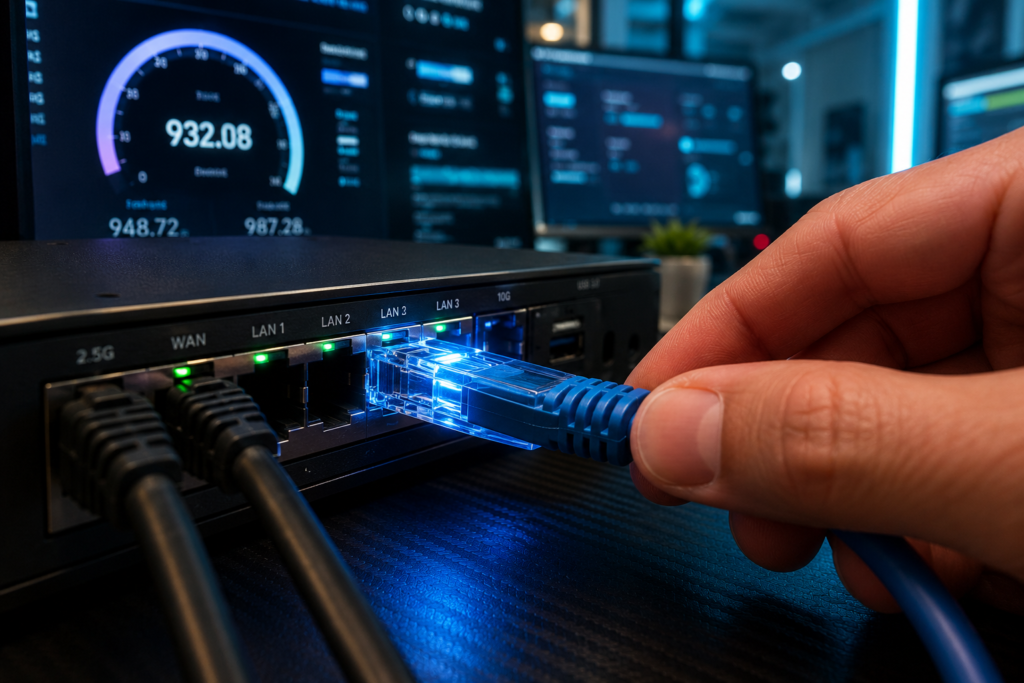
Although we have the Ethernet which is very reliable it still has issues.
Common Causes
• Damaged cables
• Loose connections
• Faulty router ports
• Incorrect network configuration
Simple Fixes
Check Cable Connections
Check that all the cables are tight. Also note that what may appear to be small loose connections may cause issues.
Replace Damaged Cables
If the cable is damaged or broken what you do is replace it.
Try another Port
Switch to a different router port that may fix it.
Preventing Future Network Problems
Prevention is best.
Helpful Tips
• Restart routers occasionally
• Keep firmware updated
• Reduce unnecessary connected devices
• Avoid overheating equipment
• Monitor network usage regularly
Conclusion
Networking problems do present but for the most part they are easy to diagnose and fix. We see that users report slow internet speed, IP issues, dropped connections, and weak Wi-Fi which for the large part are very common basic networking issues that the average person is able to fix.
Through the process of device reboot, adjustment of settings, and improvement of router placement users may also see resolution of many issues which instead may have required professional help also we note that regular maintenance and proper security practices are key to a stable and reliable internet connection.


