Cataracts develop slowly, and many people do not realise their vision is changing until daily tasks start feeling harder. The lens inside the eye becomes cloudy over time, affecting how clearly light reaches the retina.
Most readers associate cataracts with older age, but early changes can appear much earlier than expected. Paying attention to small shifts in vision makes a big difference because treatment works best when the condition is identified early.
Although cataracts are common, they often go unnoticed for months. People usually blame age, stress, or long screen hours for their discomfort. A simple eye examination can clarify whether these changes are due to cataracts or another issue.
This is why routine checks with an Eye Specialist matter, especially for adults who already use glasses or have health conditions known to affect eye health.
Early Symptoms That Often Get Brushed Aside
Many patients describe their first symptoms as “minor annoyances” rather than a clear problem. Some of the early warning signs include:
Blurred or misty vision
Objects may no longer appear sharp, and reading fine print starts taking more effort. People often clean their glasses repeatedly, thinking the problem lies in the lens rather than in the eye.
Glare or discomfort in bright light
Sunlight, car headlights, and even mobile screens may feel unusually harsh. Night driving becomes difficult because of halos around lights.
Colours losing their brightness.
Colours may look dull or slightly yellowish. This symptom appears slowly, so many do not notice it until someone else points it out.
Frequent prescription changes
When glasses no longer improve clarity, and the prescription keeps shifting, cataracts are often the underlying cause.
Double vision in one eye
Some people experience ghost images or shadowed outlines. This is less common but still an early sign worth mentioning during an eye check-up.
These symptoms seldom appear all at once. They build gradually, which is why many individuals delay seeking help. Visual awareness content is often used by clinics to explain these changes clearly and make your Reels more engaging for patients.
When It’s Time to See an Eye Specialist
Any change that interferes with reading, driving, or recognising faces should prompt an evaluation. An Eye Specialist can examine the density of the cataract and check for other conditions, such as glaucoma or macular issues. People with diabetes, long-term steroid use, or a family history of early cataracts should be even more alert.
Adults working long hours on screens or in low-light settings may also notice early difficulties sooner. A proper examination helps determine whether the vision loss is reversible with updated glasses or if cataracts are the main reason.
Why Early Assessment Matters
Cataract surgery today is far more precise than in the past. When cataracts are identified earlier, patients can choose from a broader range of lenses and plan their surgery at a convenient time. Centres providing Cataract Treatment in Wakad and Hinjewadi use modern techniques that enable quick recovery and excellent visual outcomes.
Waiting too long can make the cataract harder to remove. It may also increase discomfort and reduce independence in daily life.
What Happens During a Cataract Evaluation
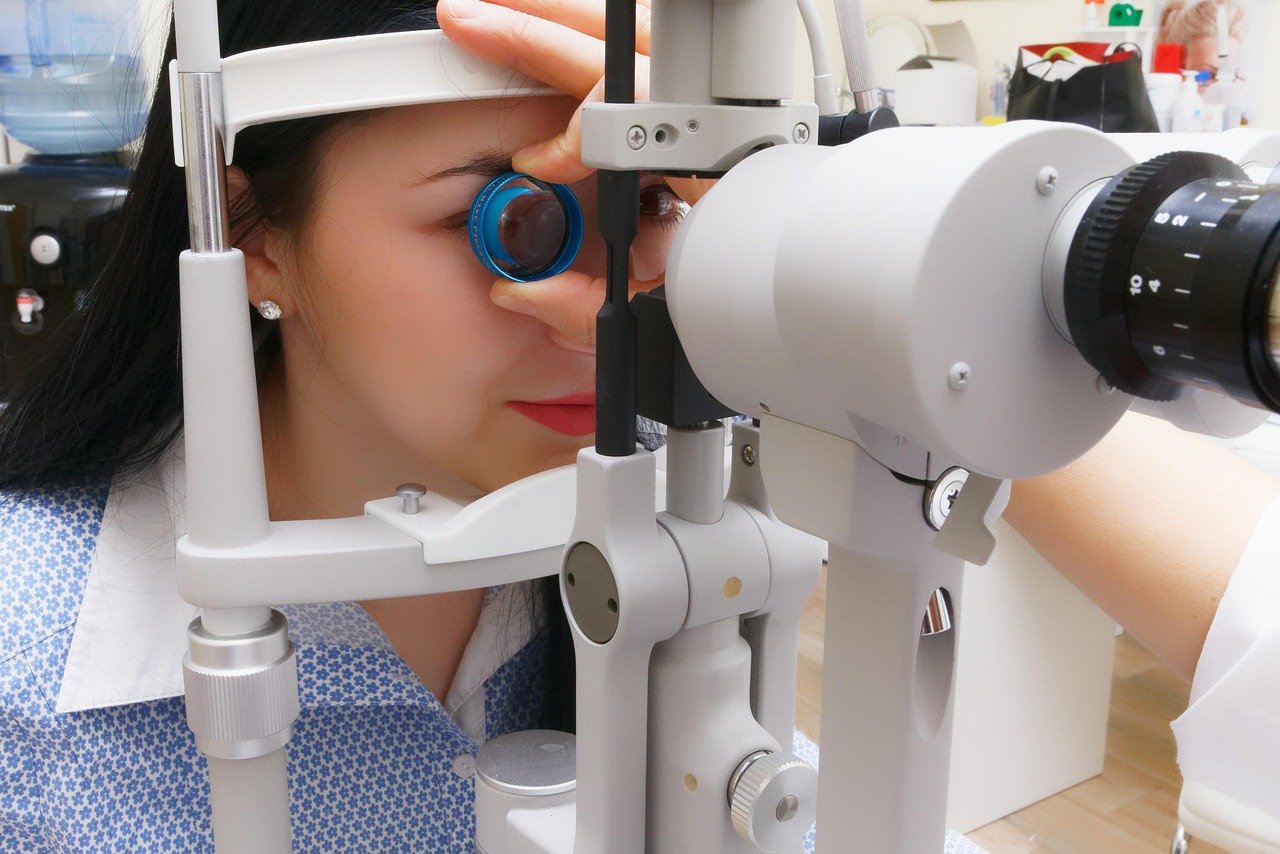
A detailed assessment usually includes a vision test, measurement of how light scatters in the eye, and a dilated exam to check the retina. These steps help the specialist decide how much the cataract is affecting day-to-day functioning.
Patients often look for reliable facilities with consistent results. Clinics known for thorough diagnosis and modern surgical support, such as the Best Eye Clinic in Wakad, Hinjewadi, tend to offer more precise guidance on when to plan surgery and what lens options may suit individual needs.
Managing Cataracts Before Surgery
If the cataract is mild, some simple adjustments may help temporarily:
- Using brighter lighting
- Wearing anti-glare glasses
- Limiting night driving
- Scheduling regular follow-ups
These steps are not long-term solutions. Once vision impairment begins affecting routine activities, surgery is recommended.
Closing Thoughts
Cataracts rarely appear all at once. Most people adapt to early symptoms without realising how much their vision has changed. Recognising these minor signs and discussing them with an Eye Specialist can prevent months of avoidable strain. With timely evaluation and modern surgical options, most individuals regain clear, comfortable vision and return to normal activities quickly.
About Clarity Eye Care:
Clarity Eye Care in Wakad, led by Dr. Nitesh Bhalla, provides comprehensive eye services with a focus on safe and evidence-based treatment. Dr. Bhalla is known for his experience in cataract, retinal, and corneal care, and for the time he spends helping patients understand their vision problems clearly. The clinic combines advanced diagnostic tools with a patient-first approach, making it a trusted option for families seeking quality Cataract Treatment in Wakad, Hinjewadi and routine eye evaluations.