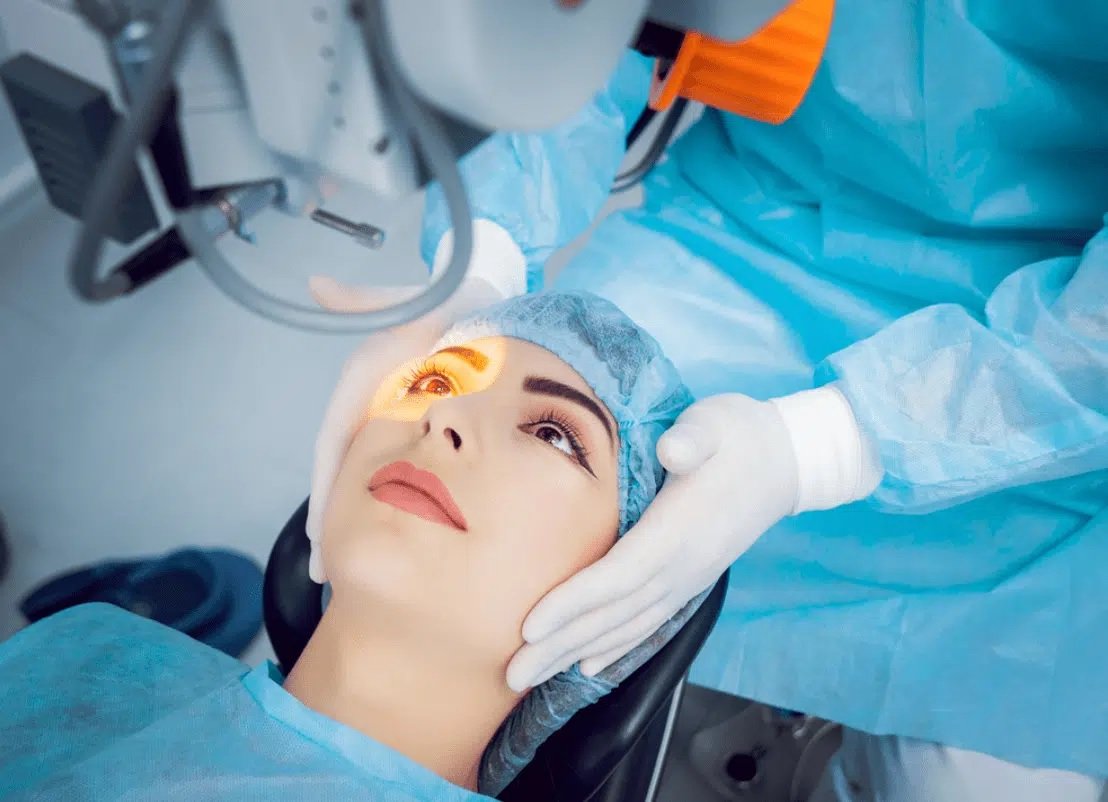
Cataract surgery is one of the most common and successful surgical procedures performed worldwide. Millions of people each year undergo this treatment to restore vision impaired by cataracts—a condition in which the natural lens of the eye becomes cloudy, leading to blurred or dimmed eyesight. Thanks to modern surgical techniques and advanced lens technology, cataract surgery is safe, effective, and life-changing for most patients.
What Is a Cataract?
A cataract develops when proteins in the eye’s natural lens break down and clumps together, causing the lens to become cloudy. This clouding interferes with light passing through the eye, resulting in vision problems. Cataracts usually develop gradually and are most often related to aging, though they can also be caused by diabetes, eye injury, prolonged steroid use, smoking, or excessive sun exposure.
Common symptoms of cataracts include:
- Blurred or cloudy vision
- Increased sensitivity to light and glare
- Difficulty seeing at night
- Fading or yellowing of colors
- Frequent changes in eyeglass prescriptions
When cataracts begin to interfere with daily activities such as reading, driving, or recognizing faces, cataract surgery is usually recommended.
What Is Cataract Surgery?
Cataract surgery involves removing the eye’s cloudy natural lens and replacing it with a clear artificial lens called an intraocular lens (IOL). The procedure is typically performed on an outpatient basis and usually takes less than 30 minutes.
The most common surgical technique is phacoemulsification, in which ultrasound energy is used to break the cataract into tiny pieces. These fragments are then gently suctioned out of the eye. Once the cataract is removed, the artificial lens is implanted in the same location as the natural lens.
Types of Intraocular Lenses (IOLs)
Choosing the right IOL is an important part of cataract surgery planning. Several types of lenses are available:
- Monofocal lenses – Provide clear vision at one distance (usually far). Glasses may still be needed for reading or close work.
- Multifocal lenses – Designed to correct vision at multiple distances, reducing dependence on glasses.
- Toric lenses – Correct astigmatism in addition to cataracts.
- Extended depth of focus (EDOF) lenses – Provide a continuous range of vision, especially from distance to intermediate.
Your eye surgeon will recommend the best option based on your eye health, lifestyle, and visual goals.
Preparing for Cataract Surgery
Before surgery, your ophthalmologist will perform a comprehensive eye examination. This includes measuring the size and shape of your eye to determine the correct lens power. You may be asked to stop wearing contact lenses temporarily and to avoid eating or drinking for several hours before the procedure.
Your doctor will also review your medical history and medications to ensure the surgery is safe for you.
What Happens During the Procedure?
Cataract surgery is usually performed under local anesthesia, meaning you will be awake but relaxed and pain-free. Numbing eye drops are used, and sometimes a mild sedative is given.
During the procedure:
- A small incision is made in the eye.
- The cloudy lens is broken up and removed.
- The artificial lens is inserted and positioned.
- The incision heals naturally without stitches.
Most patients experience little to no discomfort during the surgery.
Recovery after Cataract Surgery
Recovery from cataract surgery is generally quick. Many patients notice improved vision within a few days, though full healing may take several weeks.
After surgery, you may experience mild itching, light sensitivity, or a gritty feeling in the eye. These symptoms are normal and usually temporary. Your doctor will prescribe eye drops to prevent infection and reduce inflammation.
During recovery, patients are advised to:
- Avoid rubbing the eye
- Refrain from heavy lifting or strenuous activity
- Wear protective eyewear as instructed
- Attend follow-up appointments
Most people can resume normal activities within a day or two.
Benefits of Cataract Surgery
Cataract surgery offers numerous benefits, including:
- Sharper, clearer vision
- Improved color perception
- Reduced glare and light sensitivity
- Greater independence in daily activities
- Enhanced quality of life
In many cases, patients also experience reduced dependence on glasses or contact lenses.
Risks and Complications
While cataract surgery is very safe, like any surgical procedure, it carries some risks. Possible complications include infection, inflammation, increased eye pressure, retinal detachment, or posterior capsule opacification (a treatable clouding that can occur months or years later).
Serious complications are rare, especially when the surgery is performed by an experienced eye surgeon and postoperative instructions are followed carefully.
Is Cataract Surgery Right for You?
If cataracts are affecting your vision and limiting your daily life, cataract surgery is likely to be a highly effective solution. Advances in surgical techniques and lens technology have made it possible not only to restore vision but often to improve it beyond what was possible with glasses alone.
A consultation with an eye care professional can help determine the best timing and treatment approach for your individual needs.
Looking Ahead to Clearer Vision
Cataract surgery is a proven, reliable procedure that has helped millions of people regain clear vision and independence. With proper evaluation, expert care, and adherence to postoperative guidelines, most patients enjoy excellent outcomes and long-lasting visual improvement.
If you or a loved one is experiencing vision problems due to cataracts, discussing surgical options with an ophthalmologist can be the first step toward seeing the world clearly again.
Ethan Caldwell is a professional health and ophthalmology writer specializing in cataract surgery, advanced lens technologies, and post-surgical vision care. He is known for presenting complex surgical concepts in a clear, patient-friendly way that helps readers understand procedures, recovery expectations, and modern treatment options with confidence.