
Strong product branding is essential in today’s competitive marketplace. This comprehensive guide should help you define your unique selling proposition, craft compelling messaging, and build a memorable brand identity from scratch.
Whether you’re a startup, aspiring entrepreneur, or small business owner, these actionable insights will help you build a brand that stands out and resonates deeply with your audience. Let’s set the stage for long-term success and growth.
Understanding Product Branding
What is Product Branding?
Product branding is a process in which a company creates a unique identity for a product in a crowded market. It’s not just designing a logo or selecting a color palette. It’s about conveying the product’s personality, benefits, and values to create an emotional connection with your target audience.
This is where prioritizing brand consistency comes in. It should resonate across packaging design, customer interactions, and marketing campaigns.
Studies from 2023 prove that most people make their purchasing decisions based on emotions. With product branding, you can connect emotionally with your audience, increasing their likelihood of purchasing your products and fostering customer loyalty.
Why Product Branding Matters
Today, people have many choices of where to shop. This means you must create a well-crafted product branding strategy that makes your product stand out. This should convey your unique selling proposition (USP). It’s what makes your product better than similar products, ensuring it meets your audience’s needs.
Take Apple, for example. Their company branding uses a minimalist visual design and sleek aesthetic to set smart devices apart and promote premium quality.
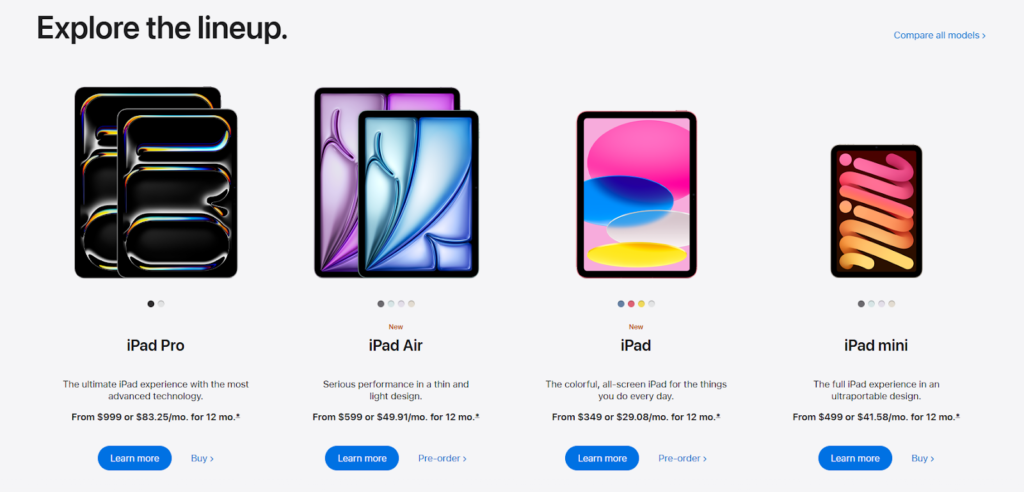
As you can see, for aspiring entrepreneurs, product branding is the foundation that builds their market reputation.
Now, let’s review the factors you should consider for your new brand identity.
Laying the Foundation: Crafting Your Brand Identity
Defining Your Vision, Mission, and Brand Values
The first thing you have to do as a small business owner is define your business’s core purpose. Your values are part of your brand identity, as they promise something to your customers.
It can be difficult to establish these when you’re starting out. But, to help you out, ask yourself these questions:
What do I want to achieve with my brand? What are the guiding principles behind my business?
These create a clearer picture of your company values and ensure you have a consistent message that reflects authenticity across all channels.
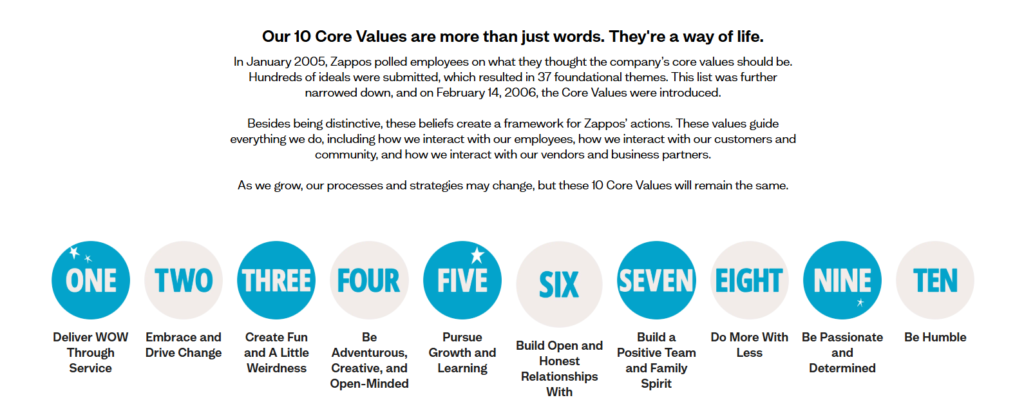
Here’s an example of Zappos’ core brand values, explaining how they interact with their team, customers, and business partners.
Identifying Your Unique Selling Proposition (USP)
This is the part where you need to explain your product’s unique features and why people should choose it over a competitor’s.
When we refer to the USP, we’re talking about the benefits. These could be AI technology, exceptional customer service, or a unique formulation.
You can highlight these on your homepage, merchandise, or marketing materials, such as email campaigns or social media posts.
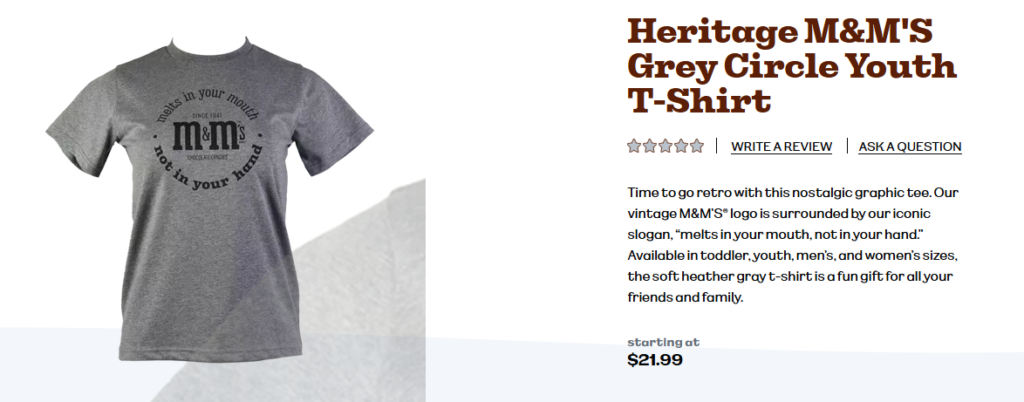
For example, M&M’s promotes its “melts in your mouth, not in your hand” slogan on its clothing. This shows that it uses a special sugar coating that prevents chocolate from melting in one’s hand and captures the buyer’s attention.
Establishing Your Brand Voice Personality
Your brand personality reflects your company’s character. Determine your tone and brand voice and keep it consistent across advertising campaigns, Instagram captions, and blog posts. For example, it could be formal, conversational, or playful.
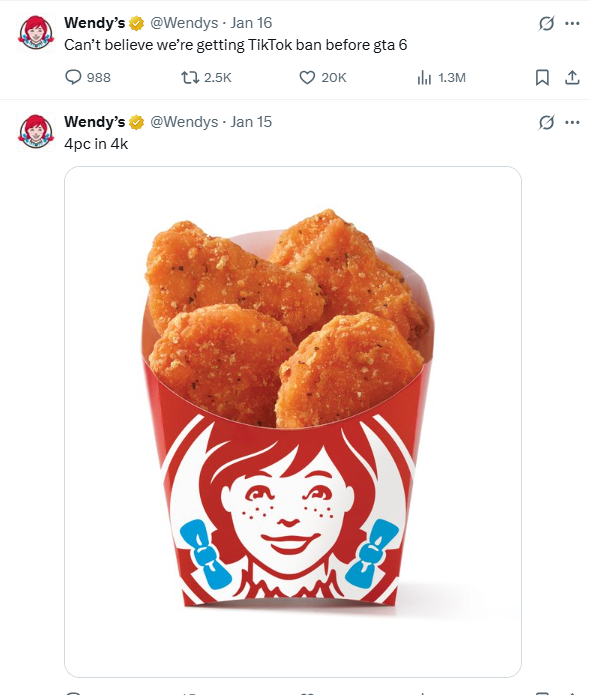
For example, Wendy’s uses a fun tone in all its posts on X (formerly Twitter).
Conducting Market Research and Competitor Analysis
Understanding Your Target Audience
Before building a brand, you need to know exactly who you’re speaking to. Understanding your target market helps you shape everything better, from your messaging to your content. It also helps attract attention and build customer loyalty and trust.
Let’s take Beaches of Normandy Tours as an example. They don’t market to anyone interested in travel. They specifically target American history buffs, veterans, and military enthusiasts who are deeply passionate about World War II.
With this in mind, they craft content their audience loves reading, such as in-depth blog posts about key historical figures like Badass Captain Speirs. This kind of storytelling is engaging and establishes the brand’s authority. It also creates a strong connection with the right people.

Analyzing Competitors
The next step is to identify your competitors to see where your product fits in the market. For instance, if you’re selling a fitness tracker, your direct competitors would be Fitbit and Garmin, while your indirect competitors would be smartphone apps that track physical activity.
Study their product branding strategies. Visit their website and social media channels and read customer reviews to see what people say about them. User reviews help reveal what a product lacks, which can be beneficial for generating new ideas.
Leveraging Research for Strategic Decisions
Market research and competitive analysis data aren’t there just to inform. They should actively drive your decision-making process.
Ideally, you use both quantitative and qualitative methods, such as focus groups, surveys, and analytic tools. These help you collect feedback from your audience. For example, with online surveys, you can learn about your potential customers’ preferences. With focus groups, you dive deeper into their motivations and emotional responses.
This approach helps you determine whether your strategies align with your customers’ needs and market trends.
Social listening can also help. This is like “eavesdropping”. It’s when you analyze social media conversations to see what people say about your competitors. What do they like about ABC? Is there something they believe company DEF should improve?
Social listening tools can help with this. These can even alert you when someone mentions your brand. Use this information to improve your marketing strategy or product features based on social conversations.
For internal insights, you can also consider using employee monitoring software to understand team workflows and make more informed branding decisions.
Developing Your Product Branding Strategy
Crafting Your Brand Messaging and Storytelling
For an effective product branding strategy, you need to create compelling messaging that tells your brand story. Communicate your USP (we’ve mentioned it earlier) and the product’s emotional benefits.
Use storytelling as part of your corporate branding. Then, people can see how to use your product in real life. For example, if you’re selling a high-tech smartwatch, say how its intuitive design helps busy professionals manage their schedules and stay fit.
Designing a Visual Identity That Reflects Your Brand
Colors have a key role in your brand identity. According to Review42, they make up 90% of the first impression consumers get when they land on your website.
They’re just as crucial as copywriting, as they tell your audience how it should feel about your brand. We can associate some colors with moods.
For instance, if you’re running a sleep brand, you may want to use moody, darker colors. If you’re selling baby products, you may opt for warm, pastel colors.
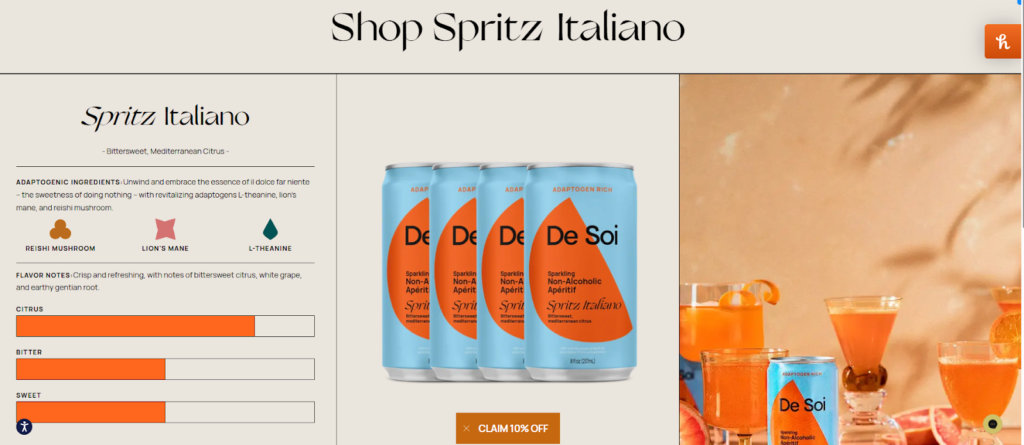
The beverage brand De Soi uses 1970s-inspired colors like beige and orange.
It uses the same color theme on Instagram.
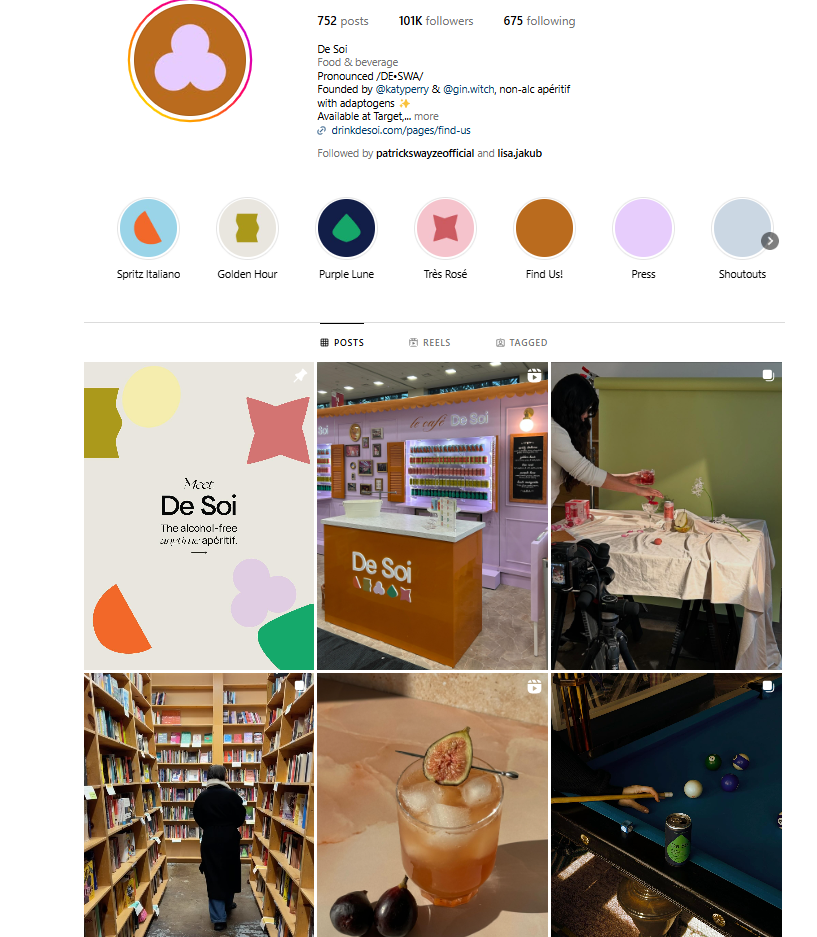
Verywell Mind says that orange represents energy and happiness. Some people may also associate it with autumnal evenings. This is probably what De Soi wants to achieve, which may benefit busy individuals looking to spend a relaxing evening with their friends.
Example of a Real World Scenario
You can tailor product branding to any niche market.
For example, let’s take Alan’s Factory Outlet, a company offering metal buildings, carports, and garages. For a successful business venture, it has to establish a unique market position and develop a trusted reputation that goes beyond simply being a commodity provider. In other words, it must define its core value proposition through price transparency and expert guidance, as well as affordability, expert-backed engineering, or personalized designs.
Just as any brand built from scratch needs effective marketing, customer engagement, and strategic partnerships, a construction-focused business must leverage digital advertising and educational content. Providing real-time information on metal building prices and explaining the long-term ROI of high-quality steel is a solid strategy for positioning the company as a trusted consultant, rather than just a supplier.
These help build credibility and target loyal customers. When the company integrates strong product branding and scalable operations, it can position itself as a leading provider in the construction industry.
Implementation and Promotion
Integrated Marketing Tactics
After defining your brand strategy, it’s time to implement it. This is where you integrate your marketing approach for consistent promotion across all channels. Communicate with your audience through digital advertising, content marketing, and social media content.
For convenient distribution and asset management, merge your PDF files to keep catalogs, spec sheets, price lists, and other assets in a single, unified file for easy sharing.
Make sure that every channel has the same brand message. That way, your product branding is reinforced at every touchpoint.
Building an Effective Online Presence
It’s essential to have a professional website and be active on social media to promote your brand and attract customers. Optimize your content and website to be recognized by search engines, using relevant keywords that your audience is searching for, for better ranking.
Include clear calls-to-action (CTAs) to encourage visitors to take a specific action. This could be downloading a step-by-step guide or buying the latest fitness tracker.
If customers leave a review on your social media channels, be sure to respond, even if it’s a negative one. Take the time to thank them and offer a solution. This shows that you value your customers’ input and are looking for new ways to improve.
These tactics not only attract new visitors but also convert them into loyal customers.
Creating a community
Engagement goes beyond promotion. It’s about building relationships. Create valuable content that provides solutions and addresses your audience’s interests and pain points.
Use different types of content. For example, post blog posts on your site and LinkedIn—this is a great platform to connect with business professionals. Share short-form videos (or Reels) on Instagram to educate users about your brand.
Measuring Success and Evolving Your Brand
Tracking Key Performance Indicators (KPIs)
That isn’t all when building a brand from scratch. You have to see what’s working and what needs fine-tuning.
Define your key performance indicators (KPIs) to align with your business goals. These include website traffic, brand awareness, or sales growth. Review these regularly and adjust your brand strategy as needed.
Gathering Customer Feedback and Long-Term Success
Feedback is crucial. It helps you understand what your customers like or don’t like about your product branding. Analyze social media comments or direct customer interactions. Use this data to refine your messaging or product features as needed.
Remember: Branding strategies aren’t a one-time project. They evolve. Revisit your brand’s values, mission, and visual identity to make sure they still align with your goals. It’s okay to take on new initiatives to introduce new product marketing tactics or features.
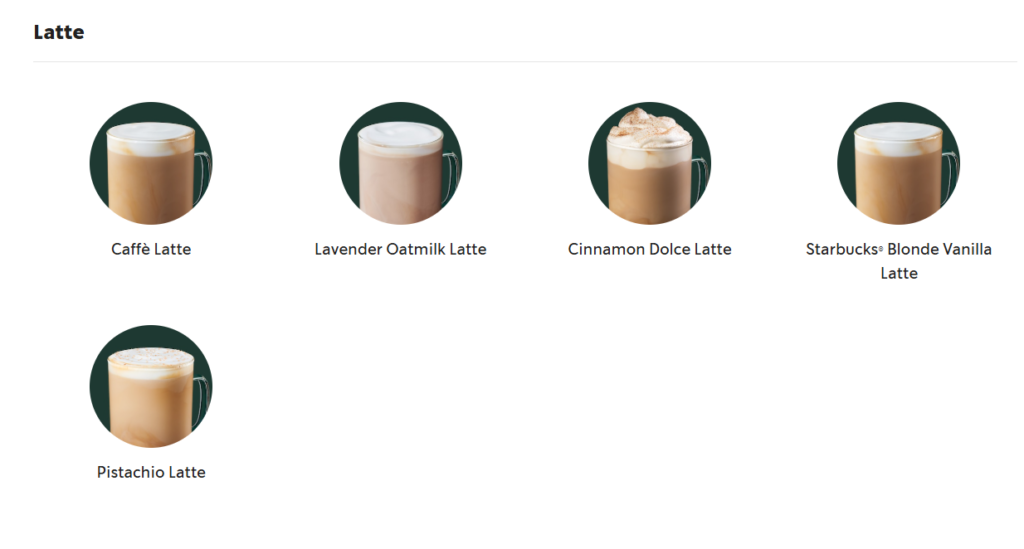
This is exactly what Starbucks does. For instance, it offers beverages with regular milk and oat milk to cater to consumer preferences and different dietary requirements.
Discover our comprehensive guide to product branding. Learn how to build a unique brand identity that resonates with your audience and drives growth.
Final Thoughts on Product Branding
A successful product branding strategy is the backbone of a scalable business, especially in competitive markets. When you define your USP, you can create content that builds an emotional connection with your audience and evolves your brand, positioning your product for lasting impact.
Author bio:
Gravar email: iavaronekristina@gmail.com

Kristina Iavarone
Kristina is a content writer and editor at uSERP, with a passion for building long-lasting relationships with B2B and B2C clients through content and SEO efforts. Her work has appeared in Medical News Today, Healthline, and GetYourGuide, and when she’s not working, she’s either at a café or exploring new places with her husband.