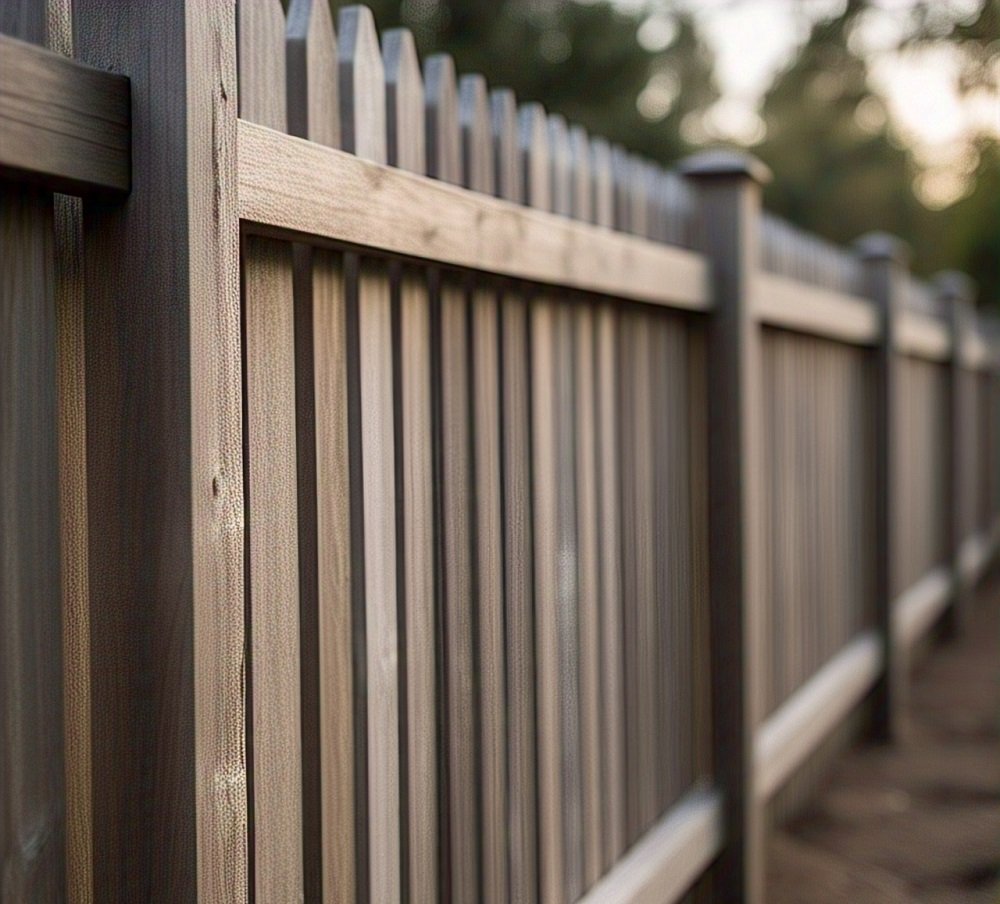
Many people make mistakes when fencing their property, which makes their projects more expensive and their fences less durable. One common issue is choosing the wrong fencing material. Property owners who choose the wrong materials typically spend a lot of money on repairs or replacements.
So, how can property owners find the best fencing materials for their projects? What are the best weather-resistant fencing materials? This article will discuss a few great options.
Vinyl
Residents in coastal areas, humid regions, or places with heavy rain face extra challenges in maintaining their fences. Salt slowly damages many fence materials, including iron and wood, in these environments since moisture causes rusting or rotting. Eventually, fences rot or bend, making it costly to maintain wood or iron fences.
Therefore, property owners who need a new fence in humid or wet regions can never go wrong with vinyl fencing. It is resistant to warping, rotting, and moisture damage. Vinyl fences resist damage from salt as well.
Vinyl is easy to maintain since property owners only need to clean it occasionally with water and mild soap to remove harmful substances. Unlike wood, vinyl does not require repainting or sealing.
Steel
Wooden and chain link fences are prone to weather damage. Some require repairs after storms and strong winds. When a fence collapses, homes and businesses are exposed and are at greater risk of theft or vandalism.
If a fence suddenly falls, it can cause injuries or damage to property. This might also lead to financial losses, especially if someone is injured and needs medical services. Neighbors could also take legal action if the damaged fence affects their property, attracting legal fees and penalties.
Steel is one of the strongest fencing materials, and it is unlikely to expose the property owner to any of these issues. Steel fencing is ideal for areas with extreme weather because it can withstand strong winds and heavy impacts.
Unlike wood or vinyl, it does not crack or break easily, even under stress. Therefore, those who use this material rarely need to rebuild their fences because they remain intact even during severe storms.
Aluminum
Iron fences bend, wrap, or rust in extreme weather. This makes them look bad and weakens their structure. Maintaining them when they rust is also challenging and costly. However, aluminum fencing solves these problems. It does not rust, even in wet conditions. It also stays strong and does not bend easily, making it ideal for areas with strong winds.
Property owners who install aluminum fencing go for a long duration without expensive repairs. They only need to inspect it occasionally and fix minor damages or clean it when necessary.
Concrete or Stone
Some fences catch fire quickly, which can be dangerous, especially in areas with frequent wildfires. If an accident happens, fire can spread quickly, causing severe property damage or injuries.
However, concrete or stone fencing is a safer choice in fire-prone areas. It does not burn or help spread fires. It also resists damage from strong winds and storms. It provides excellent protection and can last for decades with little maintenance. These fences also offer more privacy and security.
People fence their property to prevent intruders or criminals from accessing private property. However, property owners must consider the strength, durability, and maintenance requirements of the fence materials. They should also work with reliable fence contractors to ensure their fences remain firm even in severe weather for many years.