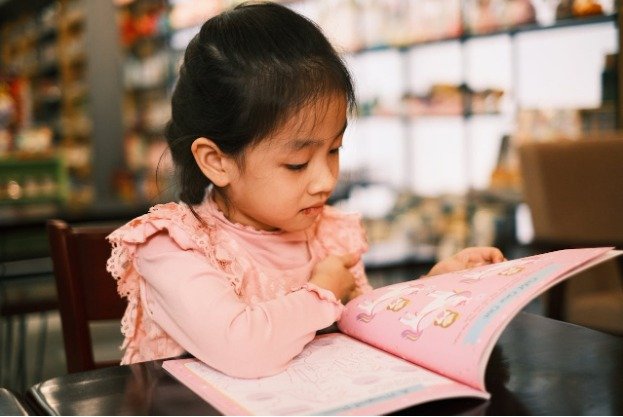
Books for kids are not merely entertainments and the elements of fantasy, learning, and emotional growth. Whether young kids first encountered with the picture books or are still interested in the interesting chapter books, kids books define who they are, what the world around them represents, and what life skills involve. In this article, we will understand why children books are important during the development of kids, various types of books available, and how to select the best books to develop the reading habit in children.
The Essentiality of Books for Kids
Books play a major role in the development of a child; they form the foundation of various skills and the development of the individual. Here is why children books are important:
- Language and literacy: By introducing children to new concepts, phrases, and words, books also aid in the development of language and vocabulary.
- Emotional development: Kids are learning to identify and understand their feelings and share them thanks to a tale.
- Thinking and problem-solving: Most books usually evolve problems that should be solved by the characters through the understanding of the children as to how to think.
- Imagination and creativity: Children get to explore magical worlds and out-of-the-box thinking through reading, making them intensify their creativity.
- Early scholastic achievement: The strength of early schooling books has to do with the development of a firm academic base, which enhances intellectual ability and aids in school.
Reading books with kids also improves the relationship between them and their parents and other people who take care of them because it gives them memories worth keeping as well as making them enjoy telling stories.
Genres of Books for Kids
Children have different reading needs as they grow. Other kinds of books are used for children of different age groups and at different developmental stages:
Board Books (0–2 years old)
Board books have hard covers which can withstand rough treatment since they are aimed at babies and toddlers. Such books usually have colors in the images, textures, as well as straightforward words, which will allow the babies to identify sounds, shapes, and animals.
Picture Books (Ages 3–6)
Picture books are fantastic tools for the introduction of stories to young children. These books are brimming with beautiful pictures and accessible language; children read and get acquainted with the important aspects of life: how to be a good friend, how to respect their feelings and relatives.
Early Readers (Ages 5–8)
Early readers have simple sentences and short paragraphs, which allow children to learn how to read on their own. It is common in these books to discuss topics that the child can identify with, such as friendship issues, going to school, and trying some new things.
Chapter Books (Ages 7–10)
Children read chapter books when they develop confidence in reading. Such books contain fewer illustrations and longer, more complicated plots, which assist children in participating in more substantial stories and also develop reading stamina.
Middle Grade Books (Ages 8–12)
Middle grade novels are geared toward slightly older children, tapping into tricky subjects such as friendship, identity, and coming of age. These books make kids venture more into the world of stories and hone their critical thinking abilities through their more detailed plots and characters.
What Is the Proper Way of Selecting Books That Your Kids Will Enjoy?
Books also have to fit the reading level, age of kids, and the interest that the kids have. These are some of the tips:
- Take their age and level of reading into consideration: Ensure that the book corresponds to the developing age of the child.
- Seek books as per their interests: In case they love animals, space, or adventure books, seek books in that genre.
- Seek books with affirmative messages: Books with positive characters of kindness, perseverance, and teamwork assist in developing the character of a child.
- Look out for interesting illustrations: Younger children respond best to such visual senses and can hold their interest in the story.
- Let kids select their own books: Having them decide on the books they are interested in assists in developing a fascination with reading. It will focus on creating an easy-to-read book, making it enjoyable and interesting, as well as promoting lifelong literary passions.
Best Themes in Books for Kids
Children books usually portray themes that children can identify with. Some of the general themes in children books are the following:
- Friendship and teamwork: Learning to share, help others, and cooperate
- Family and relationships: Discovering the love and the connection that takes place in a family
- Adventure and exploration: Taking great trips and exploring new sceneries
- Handling emotions: Making children learn to read and cope with their emotions
- Imagination and fantasy: Inventing magic worlds and not being stuck in the box
- Courage and fear of battles and rising after them: Characters that meet the difficulties and become stronger
The themes assist the kids in progressing emotionally, socially, and intellectually and keep them amused.
Promoting the Love to Read
Here are some tips on how you can help your child become fond of reading in case they are reluctant to read:
- Establish a daily reading habit: Set aside time to read every day—either before bedtime or at another peaceful time.
- Make a nice reading nook: A comfy area covered with pillows and blankets makes reading feel like a treat.
- Include interactive aspects: Change voices when characters are talking or even enact the scenes.
- Take kids to libraries and bookstores: Allow children to choose books they like and find new books and genres.
- Encourage and reward success: Just like your own success in life, there is always the encouragement and rewarding of accomplishments by your child.
The better reading is made, the more chances children will want to read on their own.
Final Thoughts: Books for kids
Books for kids are very effective tools that open doors to knowledge, imagination, and emotional growth. They not only help kids know themselves and the world, but they are also an entertaining and out-of-this-world distraction. Whether it’s a picture book or a middle-grade novel, whatever book can help a kid become curious and interested in something and state his or her future.
One reason that books are so important in the life of children is that they are involved in their development, whether in the case of reading to them at an early stage or as they go out there to read independently as they get older. Give them the right books, and they will develop lifelong interests in reading.
Frequently Asked Questions
1. When would it be a good time to read to my child?
It is possible to begin reading to babies starting when they are babies. Your voice will be music to their ears and the colorful pictures will be a feast to their eyes.
2. But how can I determine whether a book is suitable or not for my child?
Read the age ranking, read some pages to determine the simplicity and clarity of the statements as well as ensuring that the themes are fit.
3. Are children’s books educational?
Yes! Most children’s books aim at engaging children to learn about numbers, colors, and social skills.
4. How can I read with my child on a regular basis?
The most effective thing to do is to read together on a daily basis. It does not have to be much more than 10 minutes a day, or even 15.
5. My son is not fond of reading. What more can I do?
Make reading light-hearted with interesting voices, allow them the freedom to choose their own books, or read aloud in a favorite corner.
6. Are audiobooks suitably used as an alternative to reading?
Yes! Audiobooks will enhance listening power, vocabulary, and understanding as well as enable one to enjoy stories in a fun way.