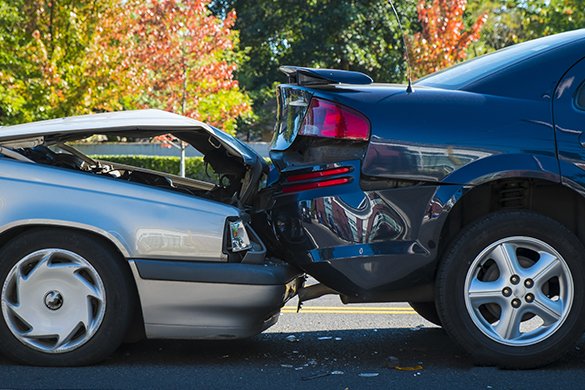
After a car accident in Boise, Idaho law provides specific protection and compensation pathways for injured victims through personal injury claims and insurance settlements. With over 27,000 crashes reported statewide in Idaho annually and seven fatal crashes in Boise in 2025 alone, understanding your legal rights becomes essential for securing proper medical treatment and financial recovery. The Idaho Advocates offer free consultation and do nit charge unless you win your case.
Idaho’s comparative negligence laws and unique insurance requirements create distinct challenges for accident victims seeking compensation in Boise. Legal representation significantly impacts settlement outcomes, with represented clients receiving average settlements three times higher than unrepresented victims according to insurance industry data.
Understanding Idaho Car Accident Laws and Your Rights
Idaho operates under a fault-based insurance system, meaning the driver who caused the accident bears financial responsibility for damages. This system allows injured parties to pursue compensation directly from the at-fault driver’s insurance company or through their own uninsured motorist coverage when necessary. Idaho Code 49-1229 requires all drivers to carry minimum liability insurance of $25,000 per person and $50,000 per accident for bodily injury.
The state’s modified comparative negligence rule, codified in Idaho Code 6-801, affects how compensation gets calculated when multiple parties share fault. If you’re found to be 50% or more at fault for the accident, Idaho law bars you from recovering any damages. This harsh threshold makes establishing fault percentages critical for maximizing your settlement. For instance, if your damages total $100,000 but you’re found 30% at fault, your maximum recovery drops to $70,000.
Time limits strictly govern car accident claims in Idaho. The statute of limitations for personal injury claims stands at two years from the accident date, while property damage claims must be filed within three years. Missing these deadlines eliminates your right to compensation regardless of injury severity or clear liability.
What Compensation Can You Pursue After a Boise Auto Accident?
Economic damages form the foundation of most car accident settlements, covering quantifiable losses like medical expenses, lost wages, and property damage. Medical costs often extend beyond emergency room visits to include physical therapy, prescription medications, specialist consultations, and future surgeries. Lost income calculations encompass both past wages and diminished earning capacity when injuries prevent returning to previous employment.
Non-economic damages compensate for subjective losses including pain and suffering, emotional distress, and loss of enjoyment of life. Idaho courts use various methods to calculate these damages, often multiplying economic damages by a factor between 1.5 and 5 based on injury severity. Permanent injuries, scarring, or disabilities typically justify higher multipliers. Recent Boise jury verdicts show pain and suffering awards ranging from $50,000 for moderate injuries to over $500,000 for life-altering trauma.
Punitive damages remain rare in Idaho car accident cases, reserved for situations involving extreme recklessness or intentional misconduct. Idaho Code 6-1604 caps punitive damages at the greater of $250,000 or three times compensatory damages. Drunk driving accidents or road rage incidents most commonly trigger punitive damage considerations.
How Do Insurance Companies Handle Boise Car Accident Claims?
Insurance adjusters begin their evaluation immediately after receiving notice of an accident, gathering police reports, witness statements, and medical records. Their primary goal involves minimizing payouts while closing claims quickly. Initial settlement offers typically arrive within 30 days but often undervalue claims by 40% to 60% according to insurance industry studies.
The claims process follows predictable patterns that disadvantage unrepresented victims. Adjusters use software programs like Colossus to generate settlement ranges based on injury codes and treatment patterns. These algorithms often fail to account for individual circumstances, future complications, or quality of life impacts. Insurance companies also employ tactics like requesting unnecessary documentation, disputing medical necessity, and pressuring quick settlements before injury extent becomes clear.
Negotiating effectively requires understanding insurance company motivations and pressure points. Documented medical treatment, consistent injury narratives, and organized evidence presentation strengthen negotiating positions. Insurance companies face bad faith penalties under Idaho law for unreasonable claim denials or delays, creating leverage for properly prepared claims.
Critical Steps to Take Immediately After a Car Accident in Boise
Scene documentation creates the foundation for successful claims. Photograph vehicle damage from multiple angles, skid marks, traffic signs, weather conditions, and visible injuries. Exchange information with all involved parties including driver’s licenses, insurance cards, and vehicle registrations. Never admit fault or discuss accident details beyond basic facts with other drivers or insurance representatives.
Medical attention remains paramount even for seemingly minor injuries. Emergency room visits create contemporaneous medical records linking injuries to the accident. Many serious conditions like traumatic brain injuries or internal bleeding present delayed symptoms. Follow-up care with primary physicians and specialists establishes injury severity and treatment needs. Gaps in medical treatment allow insurance companies to argue injuries weren’t serious or resulted from other causes.
Reporting requirements include notifying your insurance company within policy deadlines, typically 24 to 72 hours. Idaho law mandates filing an accident report with local police for crashes involving injury, death, or property damage exceeding $1,500. The Boise Police Department’s recent increase in traffic patrols following seven fatal crashes in 2025 emphasizes the importance of official documentation. Contact information for witnesses proves invaluable as memories fade and people become harder to locate over time.
Common Types of Car Accident Injuries and Their Legal Impact
Whiplash and soft tissue injuries account for the majority of car accident claims yet face skepticism from insurance adjusters. These injuries often lack visible signs on X-rays or MRIs, making subjective pain reports critical evidence. Consistent medical treatment, physical therapy compliance, and detailed pain journals strengthen soft tissue injury claims. Settlement values for whiplash typically range from $10,000 to $30,000 depending on treatment duration and impact on daily activities.
Traumatic brain injuries represent some of the most serious yet underdiagnosed accident injuries. Even mild concussions can cause lasting cognitive impairments, personality changes, and employment difficulties. Neuropsychological testing, brain imaging, and specialist evaluations document TBI severity. Long-term care costs for moderate to severe brain injuries often exceed $1 million, making comprehensive damage calculations essential.
Spinal injuries, fractures, and internal organ damage require immediate medical intervention and extensive rehabilitation. During Idaho’s 2025 “100 Deadliest Days,” 88 people were killed in crashes with 60 motor vehicle fatalities, many involving catastrophic injuries to survivors. These severe injuries justify substantial settlements but require detailed life care plans, vocational assessments, and economic expert testimony to prove future damages.
Why Does Fault Determination Matter in Idaho Accident Cases?
Police reports provide initial fault assessments but aren’t binding on insurance companies or courts. Officers base conclusions on scene evidence, witness statements, and traffic law violations. However, investigations conducted hours or days after accidents often miss critical details. Supplementing police reports with independent investigation strengthens fault arguments.
Witness testimony carries significant weight in disputed liability cases. Neutral third-party observations often resolve conflicting driver accounts. The 23 victims not wearing seat belts among Idaho’s 60 motor vehicle fatalities during the 2025 100 Deadliest Days highlight how victim actions affect fault determinations. While seat belt non-use doesn’t automatically assign fault, it can reduce damage awards under comparative negligence principles.
Accident reconstruction experts analyze physical evidence including vehicle damage patterns, skid marks, and debris fields to determine collision dynamics. These experts use specialized software to recreate accidents, establishing vehicle speeds, impact angles, and driver reaction times. Expert testimony particularly benefits complex multi-vehicle accidents or cases with conflicting witness accounts.
What Role Does a Boise Car Accident Lawyer Play in Your Case?
Legal representation transforms claim dynamics by eliminating information asymmetries between victims and insurance companies. Attorneys understand claim valuation methodologies, negotiate from positions of strength, and prevent costly procedural mistakes. Statistics show represented clients receive settlements averaging three times higher than self-represented victims, even after accounting for legal fees.
Case investigation extends beyond collecting existing evidence to developing new proof through depositions, expert consultations, and records subpoenas. Lawyers identify all potential liability sources including employer vicarious liability, dram shop claims against establishments serving intoxicated drivers, and government entity liability for dangerous road conditions. Multiple defendant identification increases available insurance coverage and settlement potential.
Litigation readiness creates negotiating leverage even when cases settle before trial. Insurance companies know which law firms actually try cases versus those that always settle. Trial-ready attorneys secure better settlements because insurers face genuine litigation risk. Boise County’s 3 fatalities in District 3 during the 100 Deadliest Days demonstrate the serious nature of local accidents requiring aggressive legal representation.
How Long Will Your Car Accident Case Take to Resolve?
Settlement timelines vary dramatically based on injury severity, liability disputes, and insurance company cooperation. Clear liability cases with moderate injuries often settle within three to six months. Complex cases involving permanent injuries, multiple defendants, or coverage disputes can extend two years or longer. The average car accident settlement in Idaho takes approximately 10 to 12 months from accident to resolution.
Pre-litigation negotiations typically conclude within six months of completing medical treatment. Maximum medical improvement determines when doctors can accurately assess permanent impairments and future treatment needs. Settling before reaching MMI risks undervaluing claims by missing long-term complications or ongoing care requirements.
Litigation extends timelines but often produces superior results for serious injury cases. Filing lawsuits triggers formal discovery processes revealing insurance policy limits, defendant assets, and additional evidence. Idaho courts generally schedule trials 12 to 18 months after lawsuit filing. However, over 95% of filed cases settle before trial, using litigation pressure to motivate reasonable settlement offers.
Avoiding Common Mistakes That Damage Your Accident Claim
Social media posts create permanent evidence that insurance companies exploit to minimize claims. Pictures showing physical activities, travel, or social events contradict injury claims regardless of actual pain levels or limitations. Privacy settings offer false security as insurance investigators use various methods to access social media content. The safest approach involves avoiding all accident-related posts until case resolution.
Recorded statements to insurance adjusters often damage claims through misstatements, admissions, or incomplete information. Idaho law doesn’t require providing recorded statements to other parties’ insurers. Even your own insurance company’s statement requests deserve careful consideration and potential attorney consultation. Written statements prepared with legal guidance provide necessary information while avoiding harmful admissions.
Quick settlement acceptance frequently results in inadequate compensation. Initial offers arrive before injury extent becomes clear, future complications develop, or economic losses accumulate. Insurance companies pressure fast settlements knowing that signed releases eliminate future claims regardless of worsening conditions. Patience during the claims process, though financially challenging, typically yields substantially higher settlements.
Working With Medical Providers and Managing Treatment After an Accident
Continuity of care strengthens both medical recovery and legal claims. Regular treatment appointments demonstrate injury severity and commitment to healing. Insurance adjusters interpret treatment gaps as evidence of recovery or exaggerated claims. Following prescribed treatment plans, attending all appointments, and maintaining detailed symptom logs support damage claims.
Medical funding options help accident victims receive necessary treatment without upfront payment. Many providers offer attorney liens, delaying payment until case settlement. Medical payment coverage and health insurance provide immediate treatment access with reimbursement rights from final settlements. Some attorneys advance treatment costs for clients with strong cases, recovering advances from settlements.
Choosing appropriate specialists impacts both health outcomes and claim values. Orthopedic surgeons, neurologists, pain management specialists, and physical therapists provide specialized expertise documenting specific injuries. Board-certified specialists carry more credibility with insurance companies and juries than general practitioners. Second opinions for significant injuries ensure accurate diagnoses and appropriate treatment plans while strengthening medical evidence.
Conclusion
Protecting your rights after a Boise car accident requires immediate action, thorough documentation, and strategic decision-making throughout the claims process. Idaho’s legal framework provides pathways to fair compensation, but insurance companies systematically work to minimize payouts through proven tactics and information advantages. Understanding these dynamics empowers accident victims to avoid costly mistakes while building strong claims.
The complexity of Idaho’s comparative negligence laws, strict filing deadlines, and insurance requirements make professional legal guidance invaluable for serious injury cases. With proper representation and preparation, accident victims can secure compensation that fully addresses medical expenses, lost income, and quality of life impacts from their injuries. Taking decisive action today protects your future financial security and ensures accountability for negligent drivers on Boise’s increasingly dangerous roads.