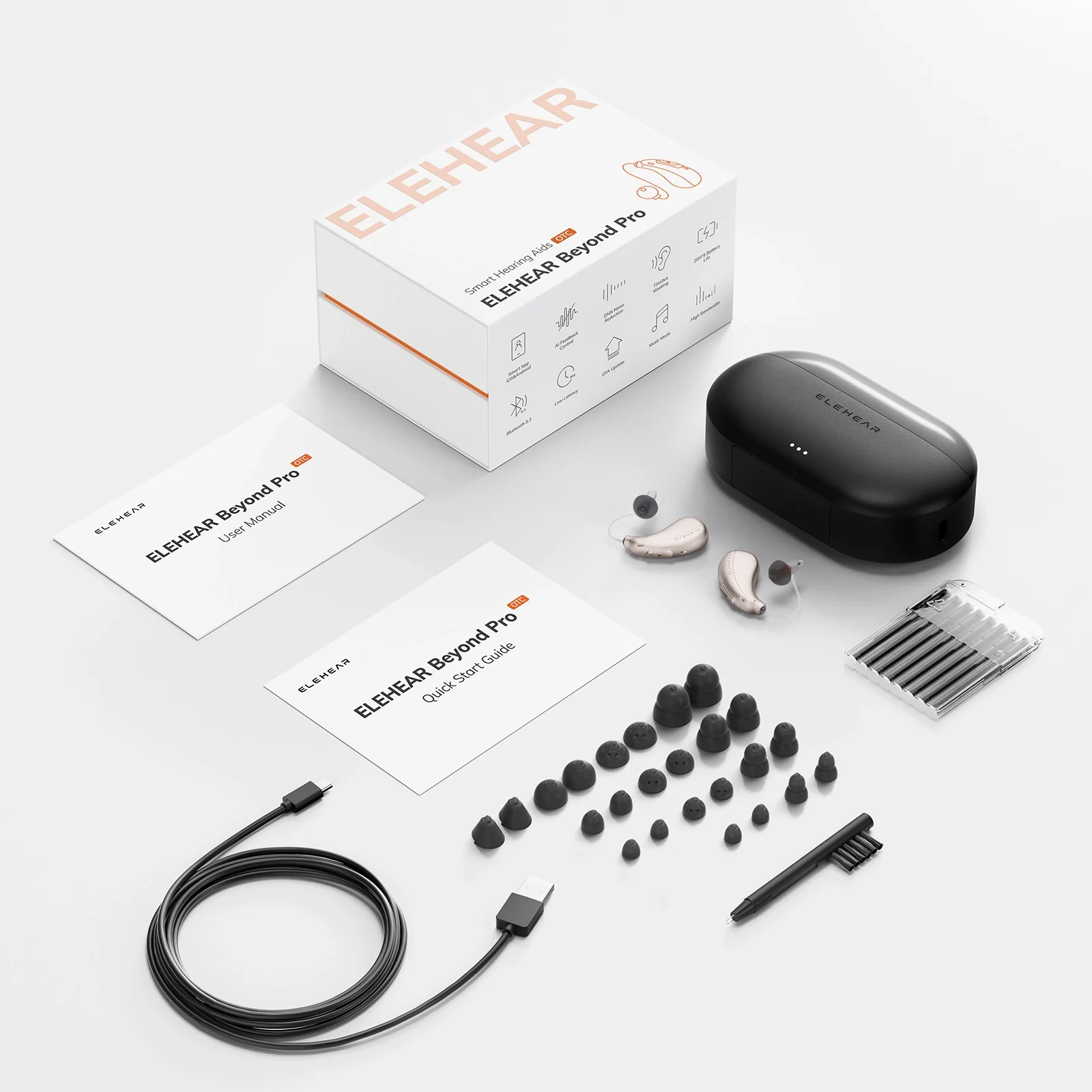
Nearly one in three adults over 65 experiences some degree of hearing loss, yet many wait years before seeking help. The reasons vary—cost concerns, confusion over technology, or simply not knowing where to start. Today’s hearing aid market presents seniors with a compelling but sometimes overwhelming choice: advanced Bluetooth hearing aids that stream audio directly from smartphones and televisions, or more affordable over-the-counter options that promise accessibility without a prescription. Each path has genuine merit, but the wrong choice can mean wasted money, frustrating technology, or inadequate hearing support. This article cuts through the noise by comparing Bluetooth and OTC hearing aids across the factors that matter most to seniors—sound quality, affordability, ease of use, and reliable customer support. Whether you’re tech-savvy or prefer simplicity, the goal is straightforward: helping you find the hearing solution that fits your life, your budget, and your comfort level.
The Evolving World of Hearing Aids for Seniors
Hearing aid technology has transformed dramatically over the past decade. What were once bulky, whistling devices with limited functionality have become sleek, powerful instruments capable of distinguishing speech from background noise, adjusting automatically to different environments, and even connecting wirelessly to everyday electronics. Traditional hearing aids required frequent visits to an audiologist for every adjustment, but modern options increasingly put control in the user’s hands. For seniors, this evolution matters beyond mere convenience—untreated hearing loss is linked to social isolation, cognitive decline, and increased fall risk. Staying engaged in conversations, enjoying family gatherings, and maintaining independence all depend on hearing clearly. Today, two categories dominate the conversation for seniors exploring their options: Bluetooth-enabled hearing aids with sophisticated connectivity features, and over-the-counter models that prioritize affordability and straightforward access. Understanding what each offers—and where each falls short—is essential for making a choice that genuinely improves daily life rather than adding frustration.
What Are Bluetooth Hearing Aids? Enhancing the Sound Experience
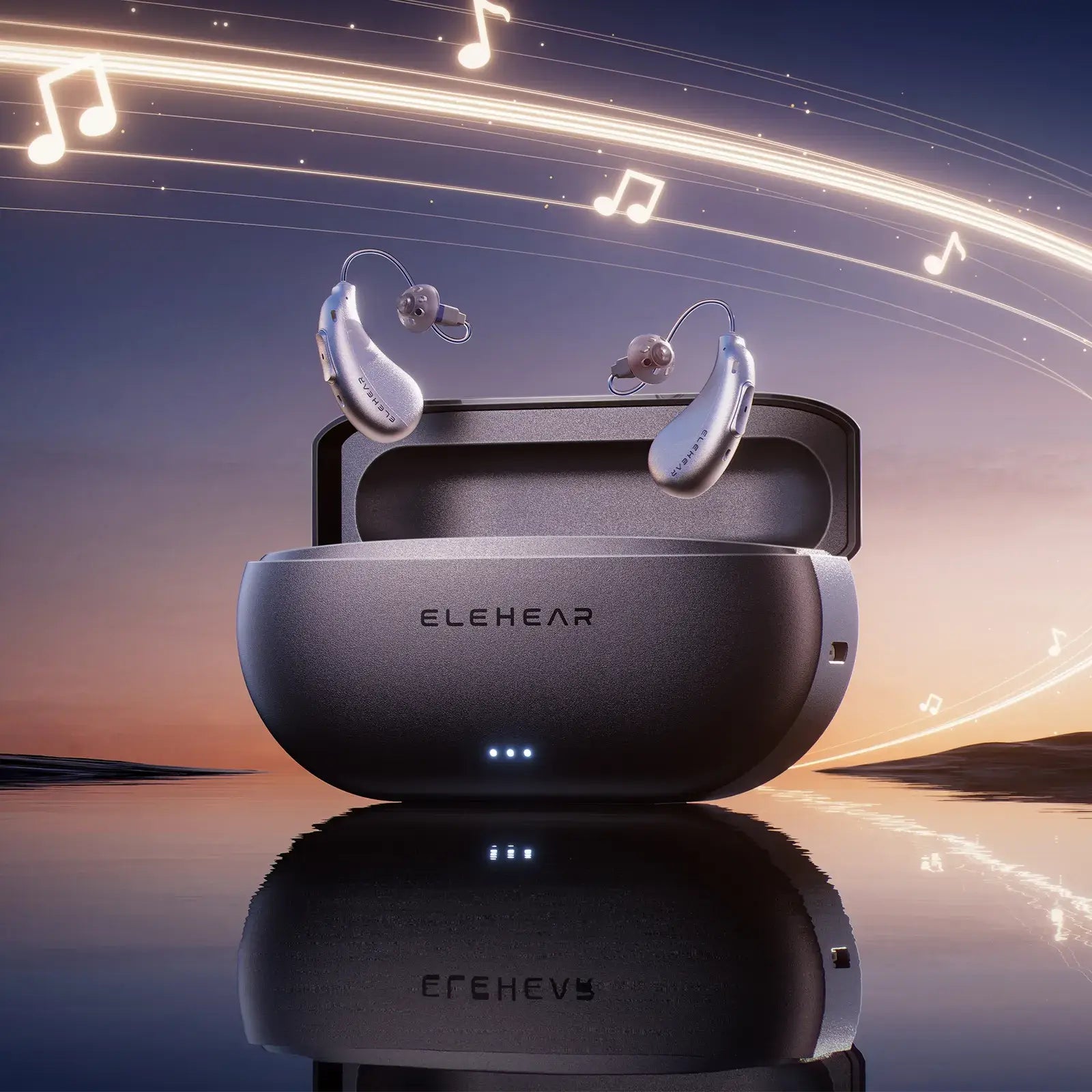
Bluetooth hearing aids are digital devices that wirelessly connect to smartphones, tablets, televisions, and computers, allowing audio to stream directly into the wearer’s ears. Rather than simply amplifying surrounding sound, these aids function as personalized audio systems. A phone call routes clearly into both ears without holding a handset. A television program streams at a comfortable volume without disturbing others in the room. Music plays with rich clarity during a morning walk. The underlying technology uses low-energy Bluetooth protocols designed specifically for hearing devices, maintaining stable connections while preserving battery life. Most models pair with companion apps that let users fine-tune volume, adjust bass and treble, switch between listening programs, and even locate misplaced aids through GPS tracking.
Key Advantages: Streaming Audio and Connectivity
The streaming capabilities transform how seniors interact with technology daily. Phone conversations become effortless since audio feeds directly into the hearing aids, eliminating the struggle of pressing a phone against an aided ear. Television watching improves dramatically—dialogue arrives crisp and isolated from background effects, and each person can set their own volume independently. Many Bluetooth aids also connect to loop systems in theaters, churches, and public venues, pulling sound straight from the source. This connectivity means fewer missed words during video calls with grandchildren and clearer navigation prompts while driving.
Considerations for Senior Users
These advantages come with trade-offs worth weighing honestly. Initial setup requires pairing the aids with devices, navigating app settings, and occasionally troubleshooting connection drops—tasks that feel natural to some seniors but overwhelming to others. A compatible smartphone is typically necessary to access the full feature set, which adds cost if an upgrade is needed. Bluetooth models also tend to carry higher price tags than basic alternatives, reflecting their advanced processing chips and connectivity hardware. However, many manufacturers now offer guided setup services, and family members can often complete the initial configuration in a single visit, making the ongoing experience far simpler than the first-day learning curve suggests.
Understanding OTC Hearing Aids: Affordable and Accessible Solutions
Over-the-counter hearing aids became widely available following the FDA’s 2022 ruling that allowed adults with perceived mild to moderate hearing loss to purchase amplification devices directly from retailers—no audiologist visit, no prescription, no fitting appointment required. This regulatory shift opened doors for millions of seniors who previously faced financial or logistical barriers to better hearing. OTC aids are sold at pharmacies, electronics stores, and online retailers, often at a fraction of what traditional prescription devices cost. Most models offer basic sound amplification with some degree of volume control and preset listening programs. They’re designed for people who notice difficulty following conversations in restaurants, miss doorbell rings, or find themselves turning up the television beyond comfortable levels for others in the household. While they lack the sophisticated processing of premium devices, OTC hearing aids serve a genuine purpose: getting amplification into the ears of people who might otherwise go without any help at all.
Benefits of OTC Options for Seniors on a Budget
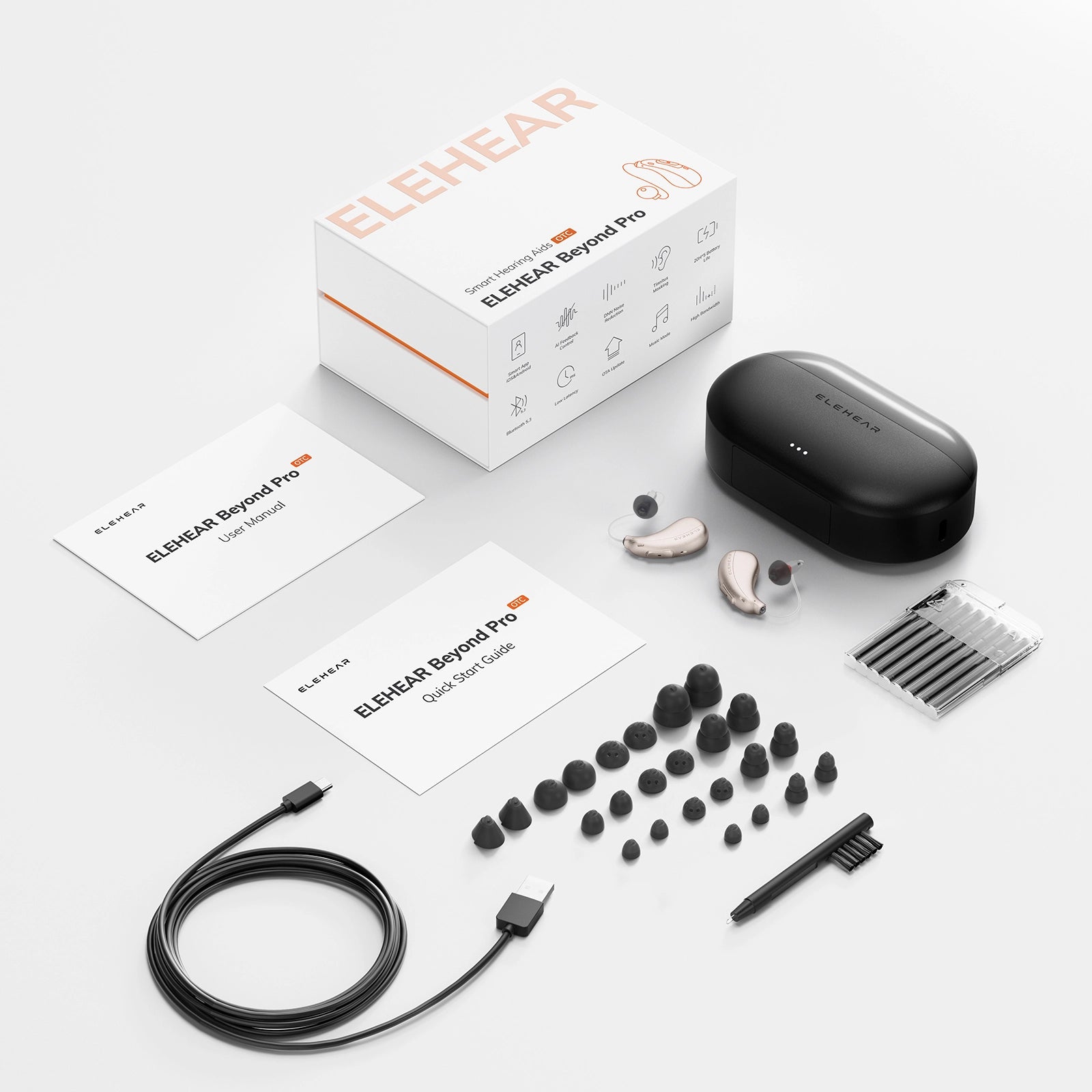
The most immediate advantage is cost. OTC hearing aids typically run several hundred dollars rather than several thousand, making them accessible to seniors on fixed incomes or those without insurance coverage for hearing devices. The purchasing process itself removes barriers—there’s no need to schedule appointments, travel to specialists, or wait weeks for custom-fitted devices. Many models arrive ready to wear out of the box with minimal setup, and returns are often straightforward through standard retail channels.
Limitations in Sound Customization and Support
Where OTC aids fall short is personalization. Without a professional hearing evaluation, users are essentially guessing at their amplification needs. Most OTC devices amplify all frequencies equally rather than targeting specific ranges where an individual’s hearing has declined, which can make some sounds uncomfortably loud while others remain unclear. Fit can also be problematic—generic ear tips don’t suit every ear canal shape, leading to discomfort or feedback whistling. Perhaps most critically, OTC purchases rarely include ongoing professional support, leaving users without guidance when they encounter issues or when their hearing changes over time.
Direct Comparison: Bluetooth vs. OTC Hearing Aids for Seniors
When placed side by side, these two categories serve different seniors with different priorities. The choice ultimately depends on where you fall along the spectrum of hearing loss severity, technology comfort, and budget flexibility.
Evaluating Sound Quality and Streaming Capabilities
Bluetooth hearing aids deliver a noticeably richer sound experience because their processors analyze incoming audio thousands of times per second, separating speech from noise and adjusting output dynamically. Streaming audio arrives with clarity that OTC devices simply cannot match—phone calls feel like wearing high-quality earbuds, and television dialogue cuts through clearly even when background music swells. OTC aids amplify sound more uniformly, which works adequately in quiet settings but struggles in noisy restaurants or crowded family gatherings. For seniors who spend significant time on phone calls, watch television daily, or attend social events frequently, the streaming capabilities of Bluetooth models meaningfully reduce listening fatigue and missed words throughout the day.
Cost and Value Analysis Over Time
OTC hearing aids win on upfront cost, often costing one-fifth to one-third the price of Bluetooth-enabled prescription devices. However, the long-term calculation shifts when you factor in durability, battery expenses, and potential replacements. Bluetooth aids typically use rechargeable batteries lasting three to five years before needing service, while many OTC models rely on disposable batteries that add ongoing expense. Premium Bluetooth devices often carry two- to three-year warranties with repair coverage, whereas budget OTC aids may offer limited protection. Seniors with progressive hearing loss should also consider that Bluetooth aids can often be reprogrammed as needs change, extending their useful life, while OTC devices may need complete replacement when hearing shifts beyond their fixed amplification range.
Addressing Senior Needs: Solutions for Affordability, Ease of Use, and Customer Support
Choosing a hearing aid isn’t just about technology specs—it’s about finding a device that works within your financial reality, feels intuitive in daily use, and comes backed by people who can help when questions arise. These three pillars determine whether a hearing aid becomes a trusted companion or a drawer-dwelling frustration.
Strategies for Finding Affordable Hearing Solutions
Start by checking whether your insurance plan, Medicare Advantage policy, or veterans’ benefits cover any portion of hearing aid costs. Many manufacturers offer interest-free payment plans that spread expenses over twelve to twenty-four months. Some states provide assistance programs specifically for seniors, and nonprofit organizations occasionally distribute refurbished devices. When comparing Bluetooth and OTC costs, weigh the total ownership expense over three years—including batteries, repairs, and potential replacements—rather than focusing solely on the sticker price.
Ensuring Ease of Use for Senior-Friendly Devices
Look for hearing aids with straightforward physical controls—a simple volume rocker or program button on the device itself means you’re never dependent on a smartphone app. Rechargeable models with drop-in charging cases eliminate the fumbling of tiny disposable batteries. Before committing, handle the device in-store or request a home trial to confirm you can insert it comfortably, adjust settings without strain, and read any companion app text clearly on your phone screen.
The Critical Role of Customer Support in Technical Assistance
Prioritize brands offering multiple support channels: phone helplines with minimal hold times, video chat for visual troubleshooting, and in-person service locations nearby. Companies like ELEHEAR have recognized this need by providing accessible customer support alongside their Bluetooth hearing aid technology, helping seniors navigate setup and ongoing adjustments with confidence. Confirm that support hours align with your schedule and that representatives can walk you through pairing, updates, and basic maintenance. Strong customer support transforms the learning curve from intimidating to manageable.
Step-by-Step Guide to Choosing the Best Bluetooth Hearing Aids
Making the right choice becomes less daunting when you break it into manageable steps. Rather than trying to evaluate everything at once, work through each stage deliberately, building confidence as you narrow your options.
Step 1: Assess Your Hearing Loss and Lifestyle Needs
Schedule a hearing evaluation with an audiologist or use a reputable online screening tool to understand which frequencies you struggle with most. Then map your typical day—do you spend hours on phone calls, watch television in a busy household, or attend group activities where background noise competes with conversation? Identifying where you miss words most often reveals whether streaming audio capabilities are essential or whether basic amplification will suffice.
Step 2: Research and Compare Specific Models
Read user reviews from other seniors rather than relying solely on manufacturer claims. Compare connectivity features, battery type, and app requirements across two or three models in your budget range. When searching for the best bluetooth hearing aids, prioritize brands that consistently earn praise for responsive customer support and intuitive design over those offering flashy features you may never use.
Step 3: Test Devices and Utilize Trial Periods
Most reputable manufacturers and retailers offer thirty- to sixty-day trial periods. Wear the aids during your most challenging listening situations—a noisy restaurant, a phone call with a soft-spoken friend, streaming a television show. Evaluate whether the sound feels natural, whether the device stays comfortable for full-day wear, and whether connectivity works reliably without constant re-pairing.
Step 4: Verify Support Systems and Warranty Details
Before finalizing your purchase, call the manufacturer’s support line to test response times and helpfulness firsthand. Confirm warranty length, what’s covered beyond defects, and whether local service centers exist for in-person repairs. Knowing help is accessible gives you peace of mind that your investment is protected as your needs evolve.
Choosing the Right Hearing Aid for Your Lifestyle and Budget
The choice between Bluetooth hearing aids and OTC options isn’t about one being universally better—it’s about which solution aligns with your specific circumstances. Bluetooth hearing aids deliver a superior sound experience through advanced processing and streaming audio capabilities that keep you connected to phone calls, television, and the people around you. OTC hearing aids remove financial and logistical barriers, offering immediate access to amplification for seniors with mild to moderate hearing loss who need a practical, budget-friendly starting point. The right decision emerges when you honestly assess three things: how severe your hearing loss is, how comfortable you feel with technology, and what level of ongoing support you’ll need. Cost matters, but so does the quality of your daily interactions—hearing your grandchild’s voice clearly on a video call or following a conversation at dinner carries value that’s difficult to quantify. Whatever path you choose, the most important step is the first one: acknowledging that better hearing is worth pursuing. Improved hearing health strengthens relationships, protects cognitive function, and preserves the independence that makes life fulfilling. Start with a hearing evaluation, explore your options with the framework this article provides, and invest in the solution that brings the world back into focus.