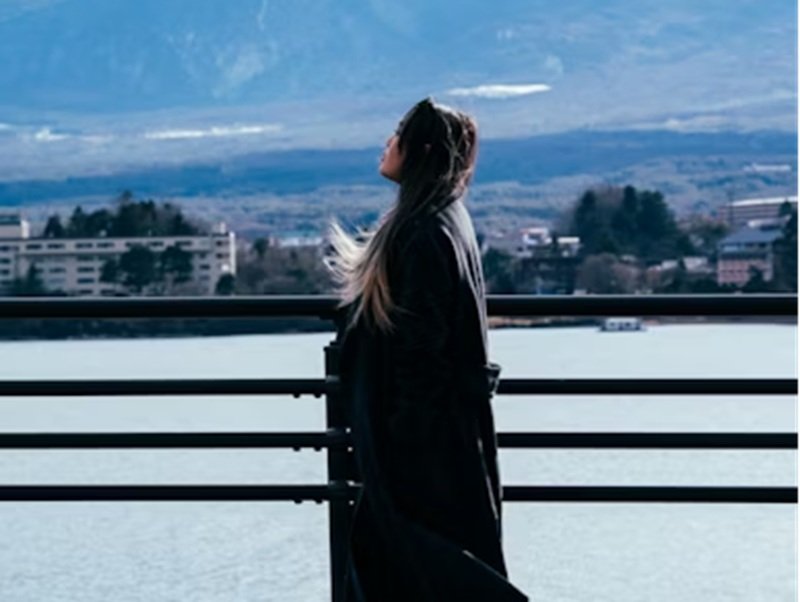
When we look back on vacations, we can rarely remember them in terms of order or dates. We instead see a handful of vivid snapshots, and more often than not, those snapshots share a colour scheme. Perhaps it’s the pale orange village you stayed in with a blue swimming pool. But these palettes change as we move around the continent, and it can be worth keeping in mind for those seriously into travel photography.
The emerald alpine
Slovenia is a country that is often remembered as being painted with a single, saturated brushstroke. The Julian Alps have jagged silver teeth everywhere you go, but it is the valleys below that stand out. The Soča River, often called the Emerald Beauty, goes through the terrain. It’s a limestone clarity of high calcium carbonate concentrations – there’s literally a chemical reaction between the mountains and it shows in the colours.
For photographers, it’s all about playing the crystalline waters and the dense pine forests off each other. When walking through the Julian Alps, travellers can really immerse themselves in these subtle palette shifts – from dark mossy tones to icy blues as they ascend.
The great northern forests
The green of the continent has a moodier, more stoic character as you step into the woodlands of Central Europe. They’re a little darker, with thick oak and beech, creating deep shadows. It’s a place of folklore where the density of the trees creates a sense of insulation from the modern world. The visual closure of these forests explains the psychological weight of their myths, and it is something you can capture with the camera, especially on a misty day.
In regions like the Black Forest or the Rhineland, it’s all about the contrast between the dark, vertical lines of the trees and the sudden, bright openings of river valleys. The scale of these forests is best appreciated when you leave the highways behind and head deep into them. Misty mornings in the lowlands during spring or autumn is great, as is the golden light of the late afternoon filtering through the pines. Exploring these forested trails of the Rhineland has a palette that will etch itself into your memories.
Salt and stone of the south
As the continent slopes south, the Mediterranean sparkles in the sun. The lush, humid greens of the north begin to disappear as you see more dry earth, sparse vegetation and ancient stone. It’s earthy tones, with plenty of whites on the cars, shutters, and buildings to reflect the light.
In Malta, the dominant hue is ochre. The globigerina limestone that makes up the islands’ foundation glows with a honey-colored light, this is particularly prominent in “golden hour” when the sun sits low on the horizon. Because this stone is soft and porous, the architecture of the islands feels like an extension of the cliffs themselves. There is no line between man-made and geology.
One of the best visual experiences in this region involves walking the historic paths of Gozo, where there’s a strong contrast between the salty white cliffs, the ochre soil, and the famously blue Med waters. It’s perfect for pictures as it’s one of the few places that still photos well during midday.
There are many ways to travel Europe, and colours remain one of them. This can become clear on the grouped stories on Instagram, when each photo from a certain holiday evokes similar emotions.