When couples undergo fertility treatments, they often face many decisions. From selecting the right clinic to choosing the best treatment plan, each step requires careful thought. These decisions can feel overwhelming, especially when both options offer potential benefits.
One common choice is between a blastocyst culture and a Day 3 embryo transfer. Each method offers its benefits, and the right option depends on individual circumstances. In this article, we will explore the differences and factors that may influence the decision between these two approaches.
Timing and Developmental Stage
One of the key differences between the culture and Day 3 embryo transfer is the timing of the transfer. The culture allows embryos to develop for five days in the lab before transfer. In contrast, Day 3 fertilized eggs are transferred earlier, giving them less time to grow outside the body. With more time to develop, blastocyst-fertilized eggs have often shown a higher chance of implantation.
Embryo Viability
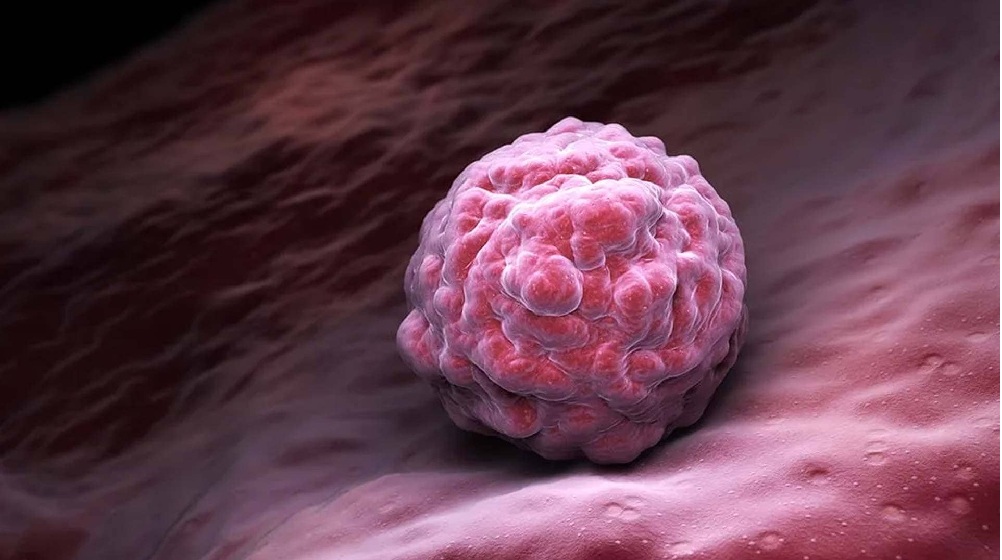
Another major consideration is embryo viability. Fertilized eggs that reach the blastocyst stage have undergone more development, which can be a positive indicator of their strength and potential. Some fertility experts believe that fertilized eggs at this stage have a better chance of implantation, leading to successful pregnancies. On the other hand, transferring fertilized eggs on Day 3 may give those who might not make it to Day 5 a better chance.
Risks of Waiting for Blastocyst Stage
While the culture may offer advantages, it comes with a potential risk: not every embryo survives until Day 5. This waiting period can be challenging for patients, particularly if they start with a limited number of fertilized eggs. The possibility of losing fertilized eggs during this extended culture period can make the decision more stressful. In contrast, a Day 3 transfer allows for quicker action, reducing the waiting time and providing peace of mind.
Success Rates
Success rates can vary between the two processes, and it’s important to look at the statistics provided by your clinic. Generally, the success rates for blastocyst transfers tend to be higher due to the advanced development stage of the embryo. As a result, many fertility experts recommend this method for couples seeking higher pregnancy success rates.
Individual Circumstances
Each couple’s fertility journey is unique, and individual circumstances often dictate which option is best. For couples with multiple embryos, waiting until the blastocyst stage can help identify the strongest embryos for transfer. For couples with fewer fertilized eggs or specific medical conditions, a Day 3 transfer might offer a better solution. Personal health factors and medical advice from fertility specialists will guide this decision, making it essential to communicate openly with your medical team.
Emotional Considerations
Emotional factors also play a big role in deciding between these two approaches. Waiting for the blastocyst stage can be an emotionally draining process, especially when there’s uncertainty about whether the fertilized eggs will make it to Day 5. Some couples may prefer the immediate action of a Day 3 transfer to avoid the stress of waiting. For others, the potential of higher success rates with a blastocyst transfer may outweigh the emotional toll.
Embryo Selection
Embryo selection is another important factor when deciding between the two approaches. In the culture, fertilized eggs that reach Day 5 are often considered stronger and more viable, making it easier for doctors to select the best ones for transfer. This selection process could potentially reduce the risk of multiple pregnancies since fewer but stronger embryos are chosen for transfer. However, in Day 3 transfers, fewer embryos are developed, which may limit the selection process.
Choosing between a blastocyst culture and a Day 3 embryo transfer is a personal decision, influenced by many factors. Couples should discuss their options thoroughly with their fertility specialists. Ultimately, the decision should be based on what is best for each unique situation.



I have not checked in here for some time since I thought it was getting boring, but the last several posts are good quality so I guess I’ll add you back to my daily bloglist. You deserve it my friend 🙂
Thankyou for this terrific post, I am glad I detected this site on yahoo.
I love your blog.. very nice colors & theme. Did you design this website yourself or did you hire someone to do it for you? Plz respond as I’m looking to create my own blog and would like to know where u got this from. cheers
Hi, Neat post. There is a problem with your website in internet explorer, would check this… IE still is the market leader and a good portion of people will miss your wonderful writing due to this problem.
I view something truly interesting about your weblog so I saved to fav.