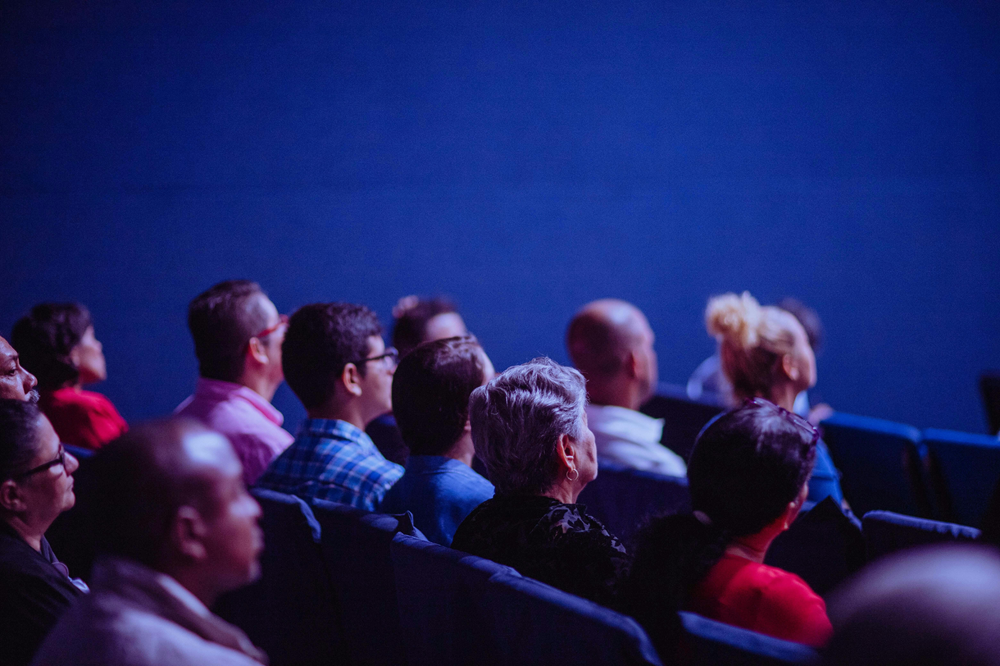
Creating an unforgettable event experience requires far more than distributing branded pens and tote bags. Attendees today crave connection, relevance, personalization, and value that extends well beyond traditional giveaways. Whether planning a conference, industry expo, corporate retreat, or VIP client gathering, the goal is to design moments that resonate long after guests leave the venue. Achieving this level of impact means looking deeper into what attendees truly want and shaping every element of the event around those expectations.
Designing Experiences That Are Worth Talking About
A standout event begins with a clear vision that goes beyond programming logistics. Experience design focuses on how guests feel from the moment they arrive to the moment they leave. Visual touchpoints, soundscapes, lighting, staff interactions, and environmental details all contribute to the overall impression. Event planners who think like storytellers create cohesive journeys that guide attendees rather than simply filling an agenda. When people can easily connect the purpose of the event to the atmosphere around them, they feel engaged and valued.
Live demonstrations, immersive installations, interactive walls, and themed environments are increasingly used to elevate the attendee experience. These elements encourage participation and create momentum across the venue. When the environment supports the event’s core message and reflects the brand authentically, the entire experience becomes more memorable.
Creating Meaningful Engagement Opportunities
Attendees want opportunities to interact with content, speakers, and each other in ways that feel genuine. Facilitated networking spaces, structured meetups, and small group breakouts help create connections that feel more natural than traditional mixers. Thoughtful conversation guides or rotating discussion tables can help remove awkwardness and encourage participants to share ideas.
Content driven engagement is equally important. Q&A moments, live polling, interactive panels, and collaborative problem solving sessions give attendees the chance to contribute rather than simply observe. These participatory formats make learning more dynamic and also allow organizers to gather insights that can shape future programming.
When used thoughtfully, digital engagement tools can support in person interactions. Apps that include personalized schedules, interactive maps, session recommendations, and social spaces help attendees maximize their time on site. The goal is to support people in moving through the event with ease and clarity.
Delivering Value Through Personalization
Personalized experiences are no longer optional. Attendees expect content and activities that match their interests, goals, and level of expertise. Gathering information before the event through registration forms and pre event surveys helps organizers segment audiences and tailor options accordingly.
Offering parallel tracks, skill based workshops, or curated learning paths allows people to choose what resonates most with them. Personalized welcome messages, targeted notifications, and custom activity suggestions also help attendees feel recognized as individuals rather than general participants.
Even small touches support personalization. Dietary accommodations, preferred seating zones, quiet spaces, and accessibility features show care for attendee comfort. When people feel their needs have been acknowledged, they are more likely to stay engaged and return for future events.
Elevating Brand Presence Without Overloading Attendees
Brand visibility remains important, but it works best when integrated thoughtfully. Rather than filling every available surface with logos, planners can highlight brand identity through purposeful design. This includes color palettes, materials, signage styles, and atmospheric details that reflect the organization’s personality.
Content alignment is another key factor. When sessions and speakers reinforce the brand message authentically, attendees remember the organization for its expertise rather than its promotional materials. This is where strategies related to event marketing play a valuable role. Strong messaging, cohesive narratives, and intentional touchpoints ensure that the brand is connected to a meaningful experience instead of just appearing on giveaways.
Premium takeaways can still be effective when they provide real value. High quality notebooks, custom digital resources, exclusive discounts, or follow up content libraries often make a greater impression than a bag filled with generic items. The key is to provide something that extends the experience, not something that attendees will leave behind in a hotel room.
Using Data and Feedback to Continuously Improve
The most successful events use data not only to measure success but to evolve future experiences. Attendance tracking, session participation metrics, mobile app interactions, and post event surveys all provide valuable insights into what guests appreciated and where improvements can be made.
Feedback should be simple for attendees to provide. Short surveys, quick star ratings, or in app prompts help gather impressions while memories are fresh. When organizers use this data to refine programming, adjust layouts, streamline logistics, or introduce new features, the event improves year after year.
Transparent communication about how previous feedback informed changes can strengthen trust and encourage deeper engagement from attendees. People appreciate knowing their voices matter and that the event team is committed to continuous growth.
Conclusion
Standing out in a crowded event landscape requires more than attractive swag or polished presentations. The most memorable experiences are built around purposeful design, meaningful engagement, personalized interactions, authentic branding, and a commitment to ongoing improvement. When planners focus on creating events that feel relevant, thoughtful, and human centered, attendees leave with more than information. They leave with a connection to the experience that stays with them long after the final session ends.