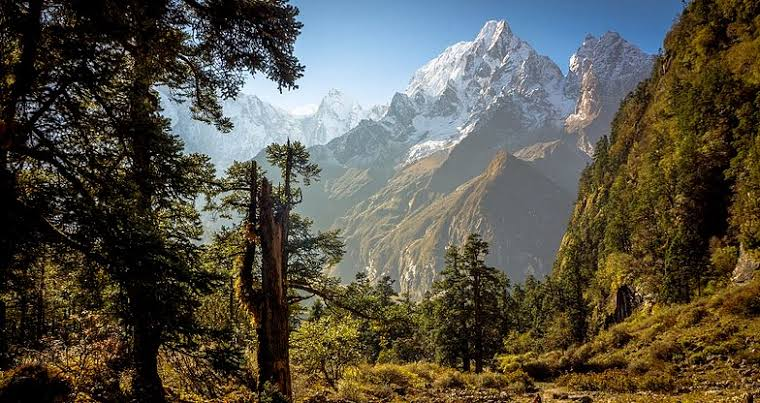
People who think about the Manaslu Circuit Trek imagine its high snow-covered mountains, its sharp mountain ridges and the excitement that comes from traveling through a Himalayan pass that reaches an altitude of 5,160 meters. They picture glaciers which shine with morning light and wide panoramic views which extend over unspoiled mountain valleys. The region’s stunning landscapes create a powerful impact because they represent only part of the complete story.
The Manaslu trail offers you a glimpse of an ancient culture. The villages are decorated with prayer flags that flutter above stone houses and hilltop monasteries. The people living in this region practice their culture as part of their daily activities. They feed themselves through agriculture, animal husbandry, and tourism businesses.
Manaslu Area is restricted with limited accessibility and specific regulations. This region has its own architectural style, language and cultural practices. The lower hills reflect Nepali agrarian life, while the rhythm is set by the Tibetan styles in the higher areas. The paths are lined with mani walls with sacred mantras engraved into them and spinning prayer wheels. The route leads through historical times which are marked by different belief systems and crucial moments of human existence.
You may be drawn by the mountains, but it is the human connection that remains for longer after the trek. Let us move away from the mountains and explore the central cultural area of Manaslu.
A Restricted Region That Preserved Its Identity
The Manaslu Circuit Trek introduces you to the authentic culture of this remote Himalayan region. The region was officially opened to foreign trekkers only in the early 1990s and remains a restricted area requiring special permits. The controlled access of this area has resulted in:
- The preservation of traditional architectural structures
- The protection of Tibetan Buddhist religious traditions
- The safeguarding of local dialects and customs
- The maintenance of a traditional community-centered lifestyle
The villages here have remained unspoiled by tourism development. The area contains stone houses, wind-driven prayer wheels and local people who work in their fields according to their traditional ancestral methods from past generations. Travelers who want to experience cultural depth will find such features to be the main highlight.
The Tibetan Influence
Manaslu Circuit Trek starts to show its cultural changes through ascending mountain paths. It is a unique cross-cultural experience combining Tibetan and Nepali cultural elements. While the Hindu culture is widespread in lower regions, Tibetan Buddhist traditions grasp its hold in alpine villages like Sama Gaun and Samdo.
Along the way, you’ll see and hear:
- Mani walls which contain sacred mantras through their carved designs
- Colorful prayer flags
- Ancient monasteries that stand on valley edges
- Chortens which serve as entrance markers for villages
- Morning chants from the monastery
Life Inside Himalayan Villages
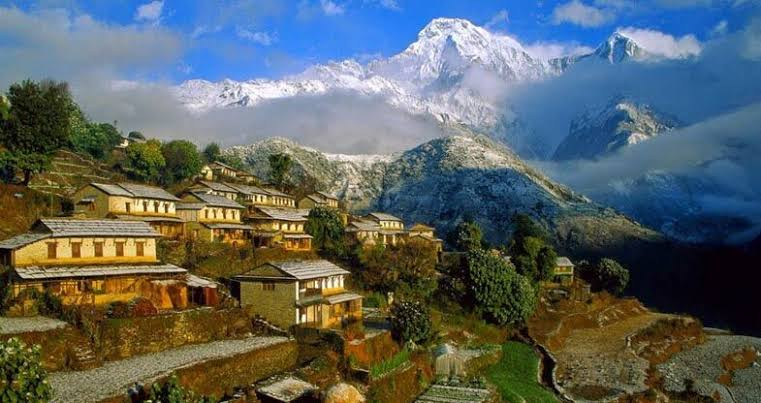
The Gurung and Tibetan communities of Jagat, Lho and Sama Gaun maintain their ancestral customs. They experience natural life rhythms shaped by agricultural cycles, livestock rearing and monastery ceremonies.
The Himalayan communities with their resilience, spiritual beliefs and cooperative efforts form their daily routines. People show their hospitality through cultural practices which value both generosity and close social ties.
The day begins before sunrise. The cold mountain air makes the prayer flags move with wind. Elders turn prayer wheels while children get ready for their school day. The monks in upper villages begin their morning chants which create the day’s sacred rhythm for the community.
Tea houses usually operate as family businesses running through multiple generations. The establishment treats visitors as guests. Trekkers who spend their evenings next to a wood stove often hear narrations about winter isolation experiences, yak herding paths and border trade historical events and more.
Connections are built through unscripted moments such as laughter over butter tea, shared silence during a snowfall and blessings offered before entering a high pass.
Festivals and Spiritual Traditions
The experience of Manaslu Circuit Trekking can be maximized if the time of trekking coincides with the time of the celebration of the local festivals The seasonal changes bring different things for you to see throughout the year such as:
- The Buddhist festivals featuring traditional mask dances
- Monks performing religious ceremonies inside the monastery.
- The community celebrating harvest festivals.
Even outside festival dates, spirituality and traditions are ever present. People maintain their religious practices throughout the year. Spinning prayer wheels before leaving a village, walking clockwise around a stupa and other cultural practices serve as expressions of faith for visitors who explore the sacred sites.
Architecture That Tells a Story
The stone-built homes of the upper Manaslu region are designed for survival. The building’s thick walls protect residents from winter cold temperatures. The flat roofs of the building function as a storage space for firewood and a drying area for grains. The building features small windows to retain heat and withstand harsh weather conditions.
The monasteries exist at high locations which provide direct views of nearby villages. Their location shows a deep connection between geography and spirituality. The building design in this area demonstrates how people have modified their space to suit their needs. While simple, they are strikingly beautiful.
Photographers who visit to capture mountain scenery end up taking photos of doorways and carved windows and monks who stand against Himalayan backgrounds.
Food as Cultural Identity
The Manaslu trek offers a cultural dining experience. The main dish consists of Dal Bhat which includes lentils, rice and vegetables. The menu includes Tibetan bread together with tsampa. People who live at higher altitudes consume butter tea and prepare yak based dishes.
Meals are hearty, practical, and tied to agricultural rhythms. Choosing to dine locally supports families while allowing you to learn how people in extreme conditions manage their daily lives.
Responsible Cultural Travel: What You Should Know
- While visiting sacred sites and rural villages, it is always best to wear modest clothing.
- Ask before photographing because not everyone wants their portrait taken.
- Support local tea houses. The family business survives through small margin sales which should not be negotiated excessively.
- Establish connections with locals through basic greetings which include Namaste and Dhayewaad.
- Hire local guides who will explain cultural customs and ceremonial practices while maintaining respectful interaction with the communities.