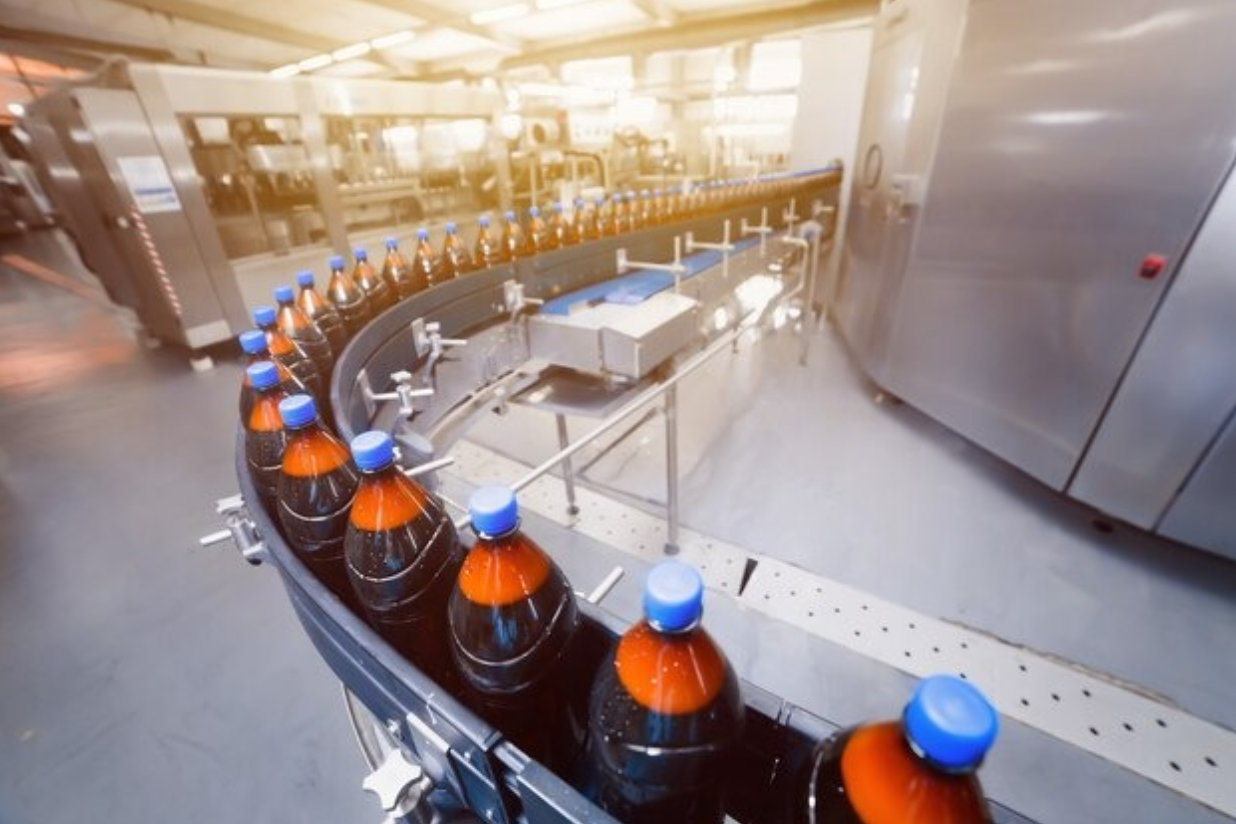
The beverage production line is a critical component in the manufacturing of a wide array of drinks, including soft drinks, juices, and alcoholic beverages. As industries evolve, the demand for efficiency, consistency, and quality in beverage processing has increased significantly. This article delves into the intricacies of beverage production lines, exploring their components, the types of beverages processed, methods of ensuring efficiency, considerations for packaging, and the customization of production lines to meet specific needs. Beverage Processing Line for sale – Victorystar
What is a Beverage Production Line and How Does it Work?
Understanding the Components of a Beverage Production Line
A beverage production line consists of various pieces of equipment and machinery designed to transform raw materials into finished products. The primary components include mixing tanks, pasteurizers, filling machines, and bottling lines. Each element plays a vital role in the beverage production process. For instance, the mixing tanks are responsible for blending ingredients to achieve the desired flavor profile, while pasteurizers ensure that the beverage is safe for consumption by eliminating harmful microorganisms. The bottling line then packages the final product in bottles or cans, ready for distribution. Proper integration of these components is essential for achieving optimal efficiency and product quality.
Key Processes in Beverage Production
The beverage production process encompasses several key stages, starting with the preparation of raw materials. This includes sourcing high-quality ingredients such as fruits for juice production or grains for beer. Once the raw materials are ready, they undergo processing, which may involve mixing, heating, or carbonation, depending on the beverage category. For example, in soft drink production, the mixture is carbonated to create the desired fizz. After processing, the beverage is subjected to quality control measures to ensure consistency and adherence to standards. The final step involves packaging the beverage in suitable containers, such as bottles or cans, for storage and distribution.
How Technology Enhances Beverage Processing Efficiency
Advancements in technology have significantly enhanced the efficiency of beverage processing. Automation solutions streamline numerous tasks, from ingredient handling to filling and packaging. The integration of process control systems allows manufacturers to monitor and adjust parameters in real-time, ensuring that production lines operate at optimal levels. Additionally, innovations such as low-energy pasteurization methods contribute to sustainability by minimizing energy consumption while maintaining product quality. The use of robotics in packaging lines further improves efficiency by speeding up production rates and reducing labor costs.
What Types of Beverages Can Be Processed on a Beverage Production Line?Processing Soft Drinks: Equipment and Techniques
Soft drink production requires specialized equipment designed to handle the unique characteristics of these beverages. The process typically begins with the mixing of flavored syrups, sweeteners, and carbonated water. Equipment such as carbonators and mixers is essential to achieve the desired taste and carbonation level. Following the mixing process, the beverage is filtered to ensure clarity and consistency. The filling stage employs automated filling machines that can efficiently package soft drinks into bottles or cans, ensuring minimal spillage and adherence to hygiene standards.
Juice Production: Ingredients and Requirements
Juice production is another popular category within beverage lines that necessitates careful handling of ingredients. Fresh fruits must be sourced, washed, and processed to extract juice. The requirements for juice production include pasteurization to eliminate pathogens while retaining flavor and nutritional value. The equipment involved ranges from juice extractors to pasteurizers, highlighting the importance of maintaining product quality throughout the production process. Furthermore, packaging for juice often involves aseptic techniques to extend shelf life and ensure safety for consumers.
Efficient Beer and Spirit Production Lines
Beer and spirit production lines are designed to facilitate processes like mashing, fermentation, distillation, and maturation. These production lines utilize various types of equipment, including mash tuns, fermentation tanks, and distillation columns. The integration of modern technology allows for precise temperature and pressure control, which is crucial for achieving the desired flavor profile in craft beers and spirits. Additionally, the bottling line for alcoholic beverages must comply with strict regulations, emphasizing the need for quality assurance measures throughout the entire production process.
How to Ensure Efficiency in Beverage Production Lines?Integrating Advanced Technology for Optimal Output
To ensure efficiency in beverage production lines, manufacturers must integrate advanced technology into their processes. This includes implementing automation solutions that enhance production speed while maintaining product quality. Process control technologies enable real-time monitoring of production variables, allowing for timely adjustments that minimize waste and maximize output. Furthermore, adopting data analytics can provide insights into production trends, helping manufacturers make informed decisions to increase efficiency.
Batch Processing vs. Continuous Production Lines
When considering efficiency, manufacturers must decide between batch processing and continuous production lines. Batch processing involves producing a specific quantity of a beverage before switching to another product, allowing for flexibility in handling different beverage categories. Conversely, continuous production lines operate non-stop, providing consistent output for high-demand beverages. Each method has its own advantages, and the choice largely depends on the scale of production and the variety of beverages being processed.
Maintenance Practices for Sustaining Production Efficiency
Regular maintenance of production equipment is paramount to sustaining efficiency in beverage processing. Implementing a structured maintenance schedule can prevent unexpected breakdowns that disrupt production flow. Maintenance practices should encompass routine inspections, timely repairs, and equipment upgrades as necessary. Additionally, training staff on proper operating procedures can enhance equipment longevity and ensure adherence to safety standards, further contributing to the overall efficiency of the beverage production line.
What Are the Key Considerations for Beverage Packaging?Choosing the Right Material for Beverage Packaging
The selection of packaging material plays a crucial role in preserving the quality and extending the shelf life of beverages. Common options include glass bottles, aluminum cans, and plastic containers, each with its own advantages and challenges. For example, glass is often preferred for its ability to maintain flavor integrity, while aluminum cans are favored for their lightweight and recyclability. Manufacturers must consider factors such as product type, distribution methods, and consumer preferences when choosing packaging materials to ensure alignment with sustainability practices.
Automation Solutions for Efficient Filling and Storage
Automation solutions are essential for efficient filling and storage in beverage production. Automated filling machines help achieve precise fill levels, reducing waste and ensuring consistency across production batches. Additionally, automated storage systems can optimize warehouse space, allowing for better inventory management and quicker access to finished products. These solutions not only enhance operational efficiency but also contribute to overall cost savings for beverage manufacturers.
Sustainability Practices in Beverage Packaging
As sustainability becomes a pivotal consideration in the beverage industry, manufacturers are increasingly focusing on eco-friendly packaging solutions. This includes utilizing recyclable materials and minimizing plastic usage. Implementing sustainable practices in packaging not only meets consumer demand for environmentally conscious products but also aligns with corporate social responsibility objectives. By investing in sustainable packaging innovations, beverage manufacturers can enhance their brand reputation while contributing to global sustainability efforts.
How to Customize Beverage Production Lines for Specific Needs?Tailored Solutions for Different Beverage Categories
Customization of beverage production lines is essential to accommodate the diverse needs of various beverage categories. For instance, a line designed for soft drinks may require different equipment than one intended for craft beer production. Tailored solutions can address specific ingredient handling requirements, processing techniques, and packaging preferences. By working closely with beverage manufacturers, equipment suppliers can develop customized production lines that maximize efficiency and product quality across different beverage categories.
Expertise in Designing Integrated Beverage Process Lines
Designing integrated beverage process lines requires a deep understanding of the production workflow and the specific needs of the beverage industry. Expertise in this area ensures that all components of the production line work seamlessly together. Engineers and designers must consider factors such as space optimization, equipment compatibility, and ease of maintenance when developing integrated solutions. This comprehensive approach not only enhances operational efficiency but also results in a smoother production process, thereby improving overall productivity.
Handling Unique Ingredients in Beverage Production
Each beverage often utilizes unique ingredients that necessitate specialized handling and processing techniques. For example, craft beer production may involve a variety of hops and grains that require precise blending and fermentation conditions. Similarly, juice production may necessitate careful sourcing and handling of fresh fruits to preserve their natural flavors. By customizing production lines to accommodate these unique ingredients, manufacturers can ensure that the final products meet consumer expectations while maintaining high standards of quality.