
It’s no secret that influencer marketing is essential for a D2C brand ready to scale in 2026. For a long time, Upfluence was the default for teams moving away from messy spreadsheets, but many growth leads are now hitting a wall. Between the high annual price tags and a workflow that can feel clunky, it often starts to feel like a “subscription tax” on your marketing budget rather than a growth driver.
The reality is that finding creators is now the easy part. What actually matters in 2026 is how quickly you can turn a new discovery into a high-performing ambassador without spending forty hours a week in your inbox. If you’re feeling like you’ve outgrown Upfluence, or you’re simply tired of paying for enterprise features you don’t use, it’s time to look at the platforms actually helping brands hit their ROAS targets this year.
Here is a list of the top 10 Upfluence alternatives we’ll explore today:
- Influencer Hero
- Modash
- Aspire
- GRIN
- Later
- Traackr
- Sprout Social
- Meltwater
- CreatorIQ
- Heepsy
Why Look For Upfluence Alternatives in 2026 (H2)
In 2026, many growth leads and founders are realizing that the enterprise model they signed up for doesn’t actually fit the reality of running a lean D2C brand.
Here is what’s driving teams to look elsewhere:
- The 12-Month Subscription:The idea of being forced into a non-negotiable 12-month contract feels outdated. Many brands find themselves locked into five-figure seats even when their strategy shifts mid-year. If you’ve ever tried to cancel or even just scale back your plan, you know it’s often more of a headache than a quick chat with support. Modern teams want the flexibility to pay for what they use.
- Fighting the Interface: Let’s be honest: your team should not have to wrestle with a steep learning curve or a clunky UI that feels like it hasn’t been updated since 2019. You need a tool that works as fast as your Slack channel.
- “Quantity Over Quality” Search Problems: Huge databases aren’t always better, and to spend too many hours sifting through influencer profiles isn’t automating workflows. It’s frustrating when you’re paying for a massive index but still have to do the manual heavy lifting to find one creator who actually aligns with your brand.
Best Upfluence Alternatives in 2026 (H2)
1. Influencer Hero
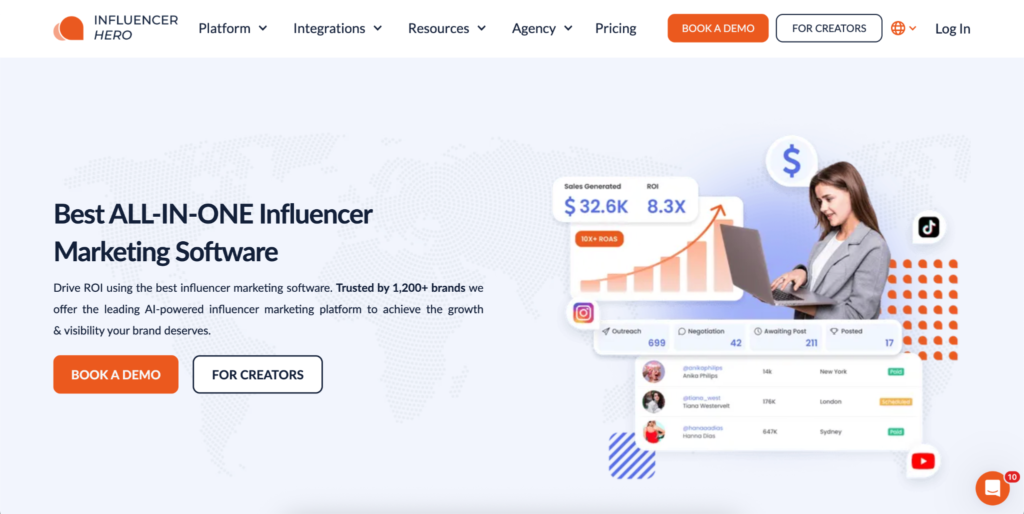
Influencer Hero is an all-in-one influencer marketing platform built around campaign-centric CRM automation, combining discovery, outreach, gifting, UGC, affiliates, and payments in one system. Being the best influencer marketing software, Influencer Hero is designed to scale efficiently while keeping ROI and execution clarity at the core of every campaign.
Best for: DTC and eCommerce brands running high-volume influencer programs. Ideal for teams that need automation, deep performance insights, and multi-platform support without moving between tools.
Pricing:
- Standard: $649/month
- Pro: $1,049/month
- Business: $2,490/month
Custom & Agency plans available
Standout features:
- Campaign-Centric CRM Automation: Influencer Hero uses structured boards, bulk actions, and automated workflows to manage thousands of creators efficiently.
- AI Workflow Optimization: Built-in AI recommends creators, predicts ROI, and automates outreach copy to reduce manual effort.
- Multi-Platform Coverage: Supports 8 platforms including Instagram, TikTok, YouTube, Pinterest, Snapchat, Twitch, and X.
- Deep ROI & Sales Tracking: Tracks affiliate sales, clicks, conversions, and revenue per creator in real time.
- UGC & Content Collection: Automatically gathers influencer content and tags top-performing assets for reuse in ads.
- Integrations Hub: Seamlessly integrate Influencer Hero with Shopify, Klaviyo, DocuSign, Slack, Gorgias, Zapier, and more.
2. Modash
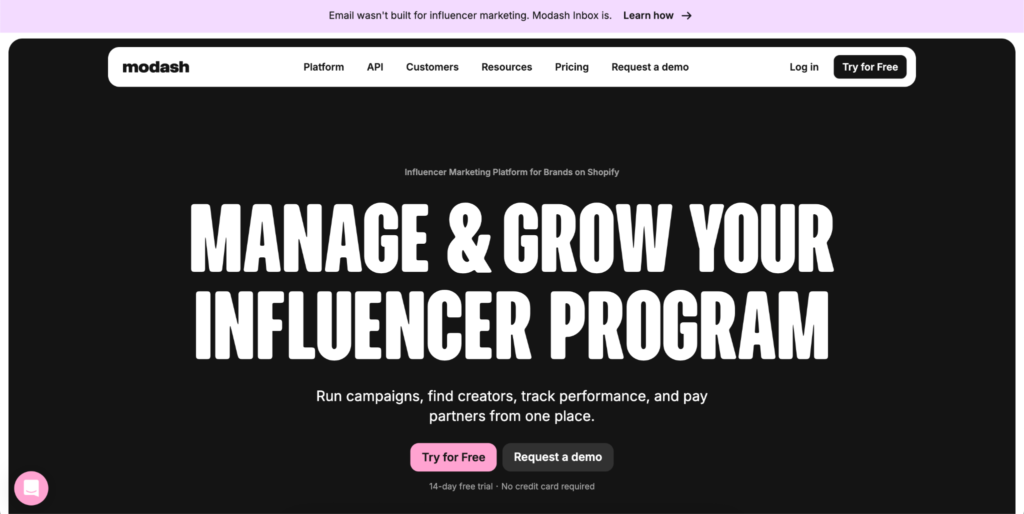
A powerful end-to-end influencer marketing platform known for its massive public creator database and advanced discovery capabilities. Modash focuses on speed, scale, and accuracy across discovery, outreach, tracking, and affiliate management.
Best for: Shopify-based brands that prioritize large-scale creator discovery and affiliate-driven campaigns. Especially strong for teams that want access to non–opt-in creator data and AI-powered search.
Pricing:
- Essentials: $299/month
- Performance: $599/month
- Enterprise: Custom (annual billing)
Standout features:
- Public Creator Database: Modash provides access to 350M+ public creator profiles without opt-in limitations.
- AI Visual Discovery: Users can describe a “vibe” or upload an image to find creators with matching aesthetics.
- Shopify-Powered Gifting: Automates product seeding, discount codes, and affiliate links in one flow.
- Fake Follower Detection: Built-in audience authenticity analysis improves creator vetting.
- Automated Affiliate Payouts: Commission tracking and influencer payments are handled directly in-platform.
3. Aspire
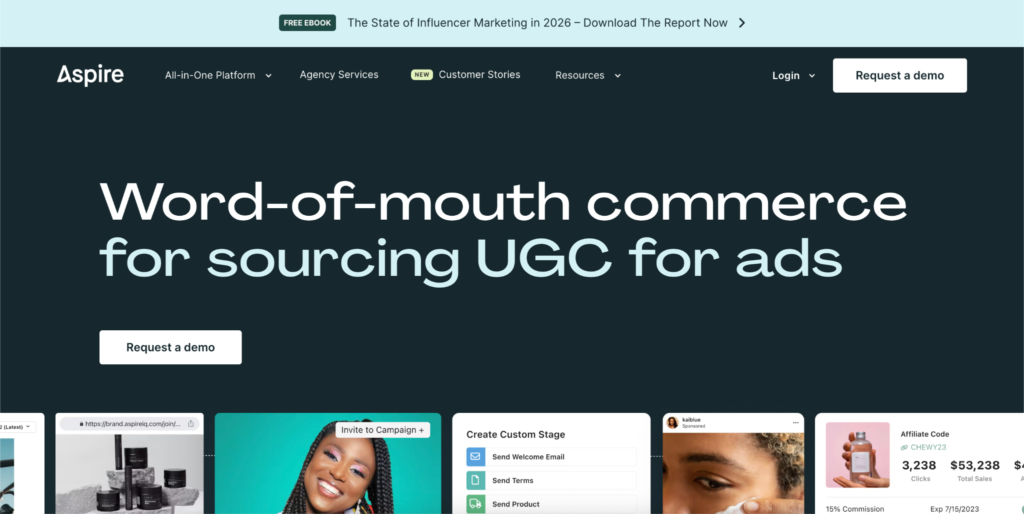
A workflow-driven influencer marketing platform built on first-party social data and strong campaign automation. Aspire emphasizes inbound creator recruitment and operational efficiency from contracts to sales tracking.
Best for: Brands that want creators to apply inbound rather than relying only on cold outreach. Well-suited for teams that value structured workflows, first-party data accuracy, and hands-on support.
Pricing:
- Custom; mid-tier packages are quoted around $2,300/month.
Standout features:
- Inbound Creator Marketplace: Aspire hosts over 1M creators actively applying to campaigns.
- First-Party Social Data: Direct integrations with Meta, TikTok, and Pinterest improve data reliability.
- End-to-End Workflow Automation: Manages discovery, contracts, approvals, and tracking in one pipeline.
- Shopify Fulfillment Integration: Creators select products directly from brand catalogs.
- Dedicated Client Support: Includes onboarding and ongoing strategic guidance.
4. GRIN
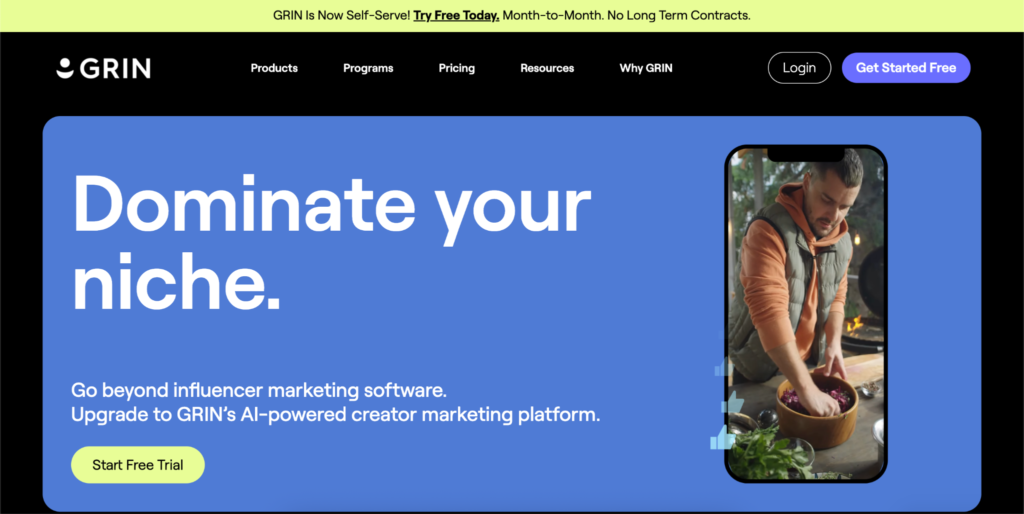
An enterprise-grade influencer marketing platform designed specifically for eCommerce and DTC brands. GRIN combines CRM depth, AI discovery, affiliate tracking, and UGC management into one system.
Best for: Mid-market and enterprise brands that want unlimited creator partnerships and robust CRM functionality. Ideal for teams running always-on influencer programs with complex workflows.
Pricing:
- Custom; typical entry tier starts around $2,500/month.
- 12-month minimum commitment
Standout features:
- Intelligent Assistant (Gia): GRIN offers an agent AI tool (Gia) built to help marketers discover, manage, and collaborate with creators more efficiently, enhancing strategy rather than replacing it.
- Unlimited Creator Partnerships: Brands can work with as many creators as needed without caps.
- Automatic Media Rights Management: Content reuse rights are included when creators are booked.
- In-App Payments via PayPal: Influencers are paid directly inside the platform.
- UGC Library: Stores all creator content, including Instagram Stories, in a searchable hub.
5. Later
A social media management platform that has expanded into influencer marketing through creator collaboration tools. Later connects influencer campaigns with organic social planning and publishing.
Best for: Social-first teams that want influencer marketing closely tied to their content calendar. Best for brands already using Later for scheduling and analytics.
Pricing:
- Starter plan: $25/month
- Growth plan: $50/month
- Scale plan: $110/month
Standout features:
- Integrated Social + Influencer Workflows: Manage influencer content alongside organic posts.
- Creator Discovery Tools: Identify and organize creators within the Later ecosystem.
- Campaign Performance Tracking: Track reach and engagement on influencer posts.
- Content Planning Synergy: Align influencer output with scheduled brand content.
- Team Collaboration: Built-in approvals and content review workflows.
6. Traackr

A data-driven influencer marketing platform focused on performance benchmarking and spend optimization. Traackr emphasizes measurement, insights, and long-term performance trends.
Best for: Enterprise brands that prioritize ROI analysis and competitive benchmarking. Particularly useful for CMOs and strategy teams managing large budgets.
Pricing:
- Starts around $32,500/year.
Standout features:
- Brand Vitality Score (BVS): A proprietary metric measuring brand visibility, trust, and influence.
- Advanced Performance Reporting: Tracks CPC, CPE, CPV, and ROI across campaigns.
- Historical Benchmarking: Compare creator and campaign performance over time.
- Product Gifting Workflows: Manage seeding logistics and correlate delivery with results.
- Exportable Executive Reports: Granular, presentation-ready analytics.
7. Sprout Social
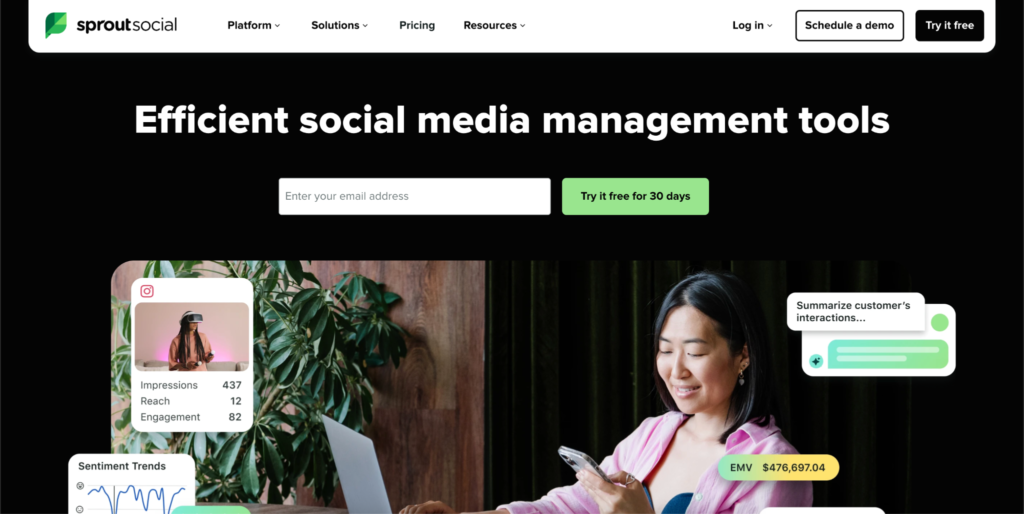
A social media management suite with built-in influencer marketing, analytics, and brand safety tools. Sprout Social integrates influencer campaigns into a broader social intelligence framework.
Best for: Brands that place strong emphasis on brand safety, approvals, and competitive intelligence. Well-suited for organizations already using Sprout for social media management.
Pricing:
- Starts at $1,599/user/month (annual contract)
Standout features:
- Brand Fit Score: AI-powered alignment score between creators and brand criteria.
- Advanced Brand Safety Filters: Automatically flag risky keywords and content topics.
- Content Approval Workflows: Creators submit posts for approval before publishing.
- Competitive Benchmarking: Analyze overlap with competitor creator partnerships.
- EMV Reporting: Deep earned media value and performance analytics.
8. Meltwater
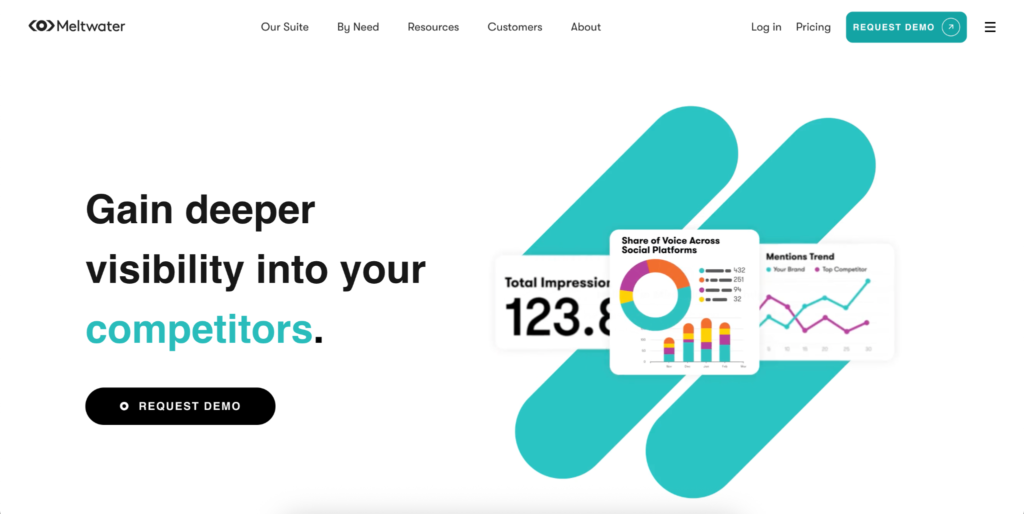
An influencer marketing solution combined with media monitoring and social listening capabilities. Meltwater (via Klear) connects influencer performance with broader brand perception data.
Best for: Large brands that want influencer marketing tightly connected to PR and media intelligence. Ideal for teams managing reputation, earned media, and influencer programs together.
Pricing:
- Influencer (Klear) plans start around $33,100/year (discounted)
Standout features:
- True Reach Technology: AI estimates real audience reach beyond raw follower counts.
- Visual AI Search: Discover influencers by analyzing images and content themes.
- Integrated Chat & Payments: Communicate and pay influencers in-platform.
- Audience Sentiment Analysis: Analyze sentiment within influencer comment sections.
- Cross-Channel Reporting: Combine influencer and media intelligence reporting.
9. CreatorIQ
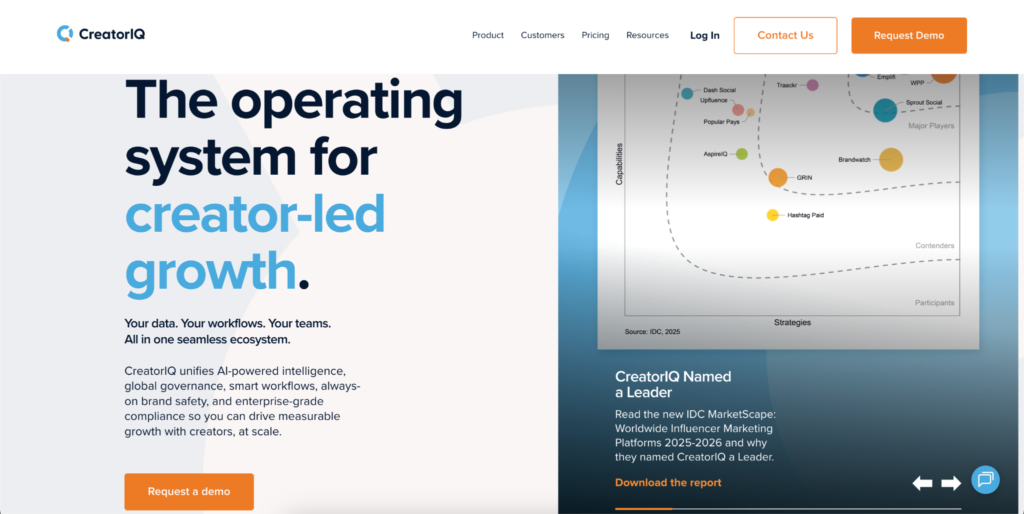
An enterprise influencer marketing platform trusted by global brands for complex, large-scale programs. CreatorIQ is built for governance, data accuracy, and executive-level reporting.
Best for: Global enterprises with advanced reporting, compliance, and payment requirements. Best suited for teams managing thousands of creators across multiple regions.
Pricing:
- Starts at $35,000/year
- Enterprise plans up to $200,000/year
Standout features:
- Enterprise-Grade Reporting: Live dashboards powered by direct API integrations.
- Advanced CRM & One-Sheets: Streamlined creator review and approval workflows.
- UGC Rights Management: Request, track, and manage content usage rights.
- Global Creator Coverage: Strong international data access.
- Payment Compliance: Built-in tax documentation and payout handling.
10. Heepsy
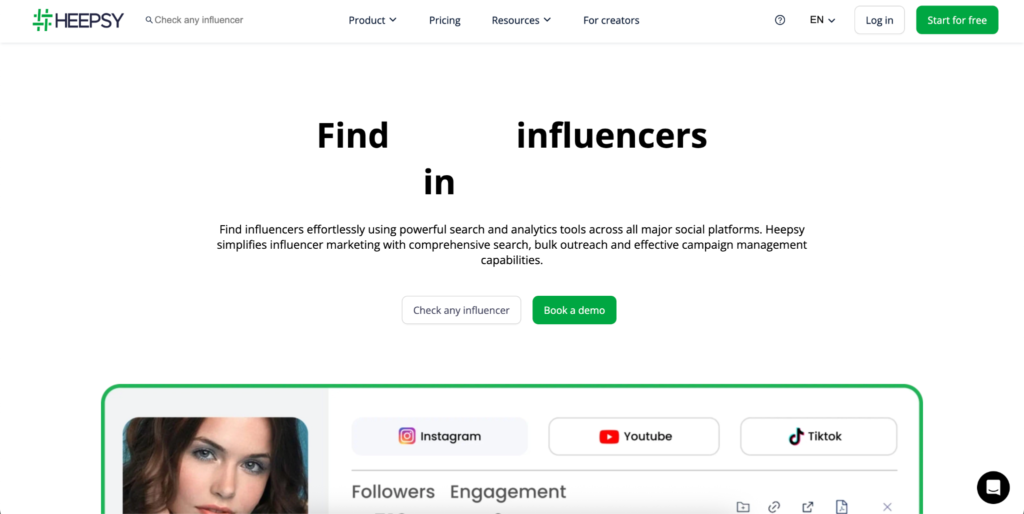
A user-friendly influencer marketing platform with strong discovery, outreach, and campaign tracking features. Heepsy balances affordability with robust search and CRM tools.
Best for: Small to mid-sized eCommerce brands that want an easy-to-use platform without enterprise complexity. Especially suitable for teams running gifting or affiliate-based campaigns.
Pricing:
- Free plan
- Starter plan: $89/month
- Plus plan: $249/month
- Advanced plan: $369/month
Advanced plan required for Shopify sales tracking
Standout features:
- 50M+ Influencer Database: Strong coverage across the US and Europe.
- Authenticity Filters: Detect fake followers and low-quality audiences.
- Kanban-Style CRM: Visual pipeline to track influencer campaign stages.
- Bulk Email Outreach: Send high-volume outreach with follow-ups.
- Shopify Affiliate Tracking: Track clicks, conversions, and sales on advanced plans.
Final Thoughts (H2)
Innovation within features and automation moves way too fast to be held back by clunky interfaces or rigid contracts. You need a setup that feels like a natural extension of your team. At the end of the day, the “best” tool is the one your team actually enjoys using and the one that turns your influencer program into a predictable sales engine.
Whether that’s a high-automation powerhouse like Influencer Hero or a specialized search tool, the goal is the same: spend less time in spreadsheets and more time building real relationships that actually show up in your revenue. If your current tech stack feels more like a hurdle than a head start, it’s probably time to make the switch.
FAQs (H2)
1. What is the best Upfluence alternative for Shopify brands?
For Shopify-based D2C brands, Influencer Hero is generally the top choice in 2026. While Upfluence offers commerce tools, Influencer Hero provides a tighter, more automated sync that handles everything from “customer-to-influencer” identification to automated gifting and real-time affiliate tracking without the enterprise price tag.
2. Is there a cheaper alternative to Upfluence with similar features?
Yes, Influencer Hero offers a near-identical feature set—including deep discovery, CRM, and automated outreach—at a fraction of the cost. While Upfluence often requires a five-figure annual commitment, Influencer Hero starts with much more accessible monthly plans, making it the go-to for growth-stage brands.
3. Which influencer platforms don’t require long-term contracts?
In 2026, many brands are ditching the “annual lock-in” model. Platforms like Influencer Hero and Modash are popular because they offer month-to-month flexibility. This allows you to scale your tech stack up or down based on your actual campaign performance rather than being stuck in a 12-month legal agreement.
4. How does Influencer Hero compare to Upfluence for creator discovery?
Both have massive databases, but the difference is in the “noise.” Influencer Hero focuses on a campaign-centric search that prioritizes creators who already have a high affinity for your brand or niche, whereas Upfluence users sometimes find themselves sifting through much larger, less filtered lists to find a match.
5. Can I track Amazon and Shopify sales with Upfluence alternatives?
Absolutely. Modern alternatives like Influencer Hero have built native integrations for both Shopify and Amazon. This allows you to track specific attribution, manage discount codes, and see exactly how much revenue each creator is driving across both platforms in one central dashboard.