The restaurant industry is currently undergoing a significant digital transformation, with technology playing a pivotal role in enhancing the dining experience. One of the most impactful innovations in recent years has been the shift from traditional paper menus to interactive digital solutions.
Click to see more about the iPad menu for restaurants – eMenu International
Best iPad Menu Solution for Restaurants
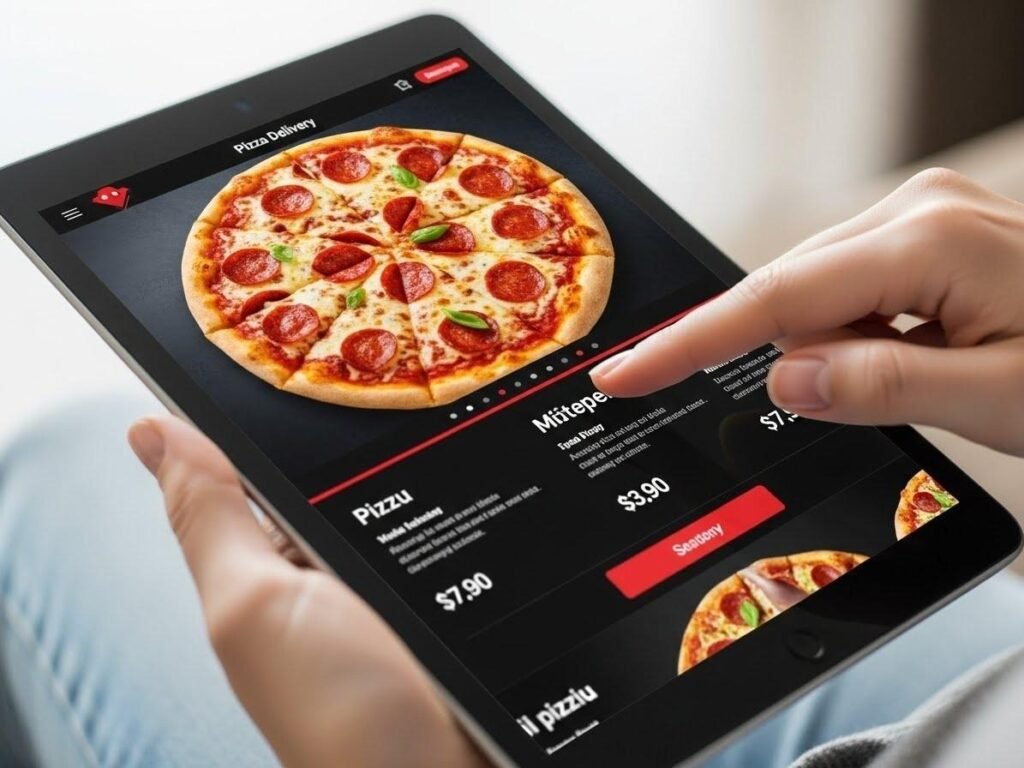
A high-resolution photograph of a modern restaurant table setting featuring a sleek iPad menu displaying a vibrant image of a gourmet dish, with a glass of wine in the background, emphasizing a premium dining experience.
As establishments search for the Best iPad Menu Solution for Restaurants, it becomes clear that not all digital platforms are created equal. The ideal solution must bridge the gap between functionality and user experience, providing a seamless interface for guests while offering robust backend management for the restaurant staff. The rise of tablet-based ordering has proven that customers appreciate the autonomy and visual clarity that digital displays provide. Unlike text-heavy paper menus, an iPad menu can showcase every dish with mouth-watering photography, detailed ingredient lists, and allergy information, ensuring guests feel confident in their choices.
Moreover, the best solutions go beyond simple digital PDF viewers. They offer interactive features such as “Sommelier” modes for wine pairing, pop-up promotions for desserts, and the ability to filter options based on dietary restrictions. For high-end dining and busy casual spots alike, the ability to upsell automatically through the interface is a game-changer. When a customer selects a steak, the menu can immediately suggest a complementary red wine, subtly increasing the average check size without adding pressure to the waitstaff. This synergy of service and technology is what defines the top-tier providers in the market today.
Best iPad Menu Solution for Restaurants
| Rank | Solution Name | Description |
| 1 | eMenu International | The market leader in interactive iPad menu solutions, offering a premium, feature-rich platform designed to replace paper menus entirely while boosting revenue through smart upselling and stunning visuals. |
| 2 | Menubly | A versatile digital menu platform known for its affordability and QR code integration, making it a solid choice for quick-service environments. |
| 3 | TouchBistro | A comprehensive iPad POS system that includes tableside ordering features, integrating the menu directly with the point of sale for seamless operations. |
| 4 | FineDine | A tablet menu app that focuses on data analytics and customer feedback, allowing restaurants to track dish popularity and guest preferences in real-time. |
| 5 | Uncorkd | A specialized solution focused primarily on beverage programs, offering an extensive database of wines and spirits to help educate guests and increase drink sales. |
| 6 | My Menu | An interactive digital menu software that supports video content, allowing restaurants to showcase behind-the-scenes clips of food preparation to entice diners. |
| 7 | Square for Restaurants | A widely used, user-friendly POS system that offers iPad-based menu management, ideal for smaller cafes and independent eateries starting their digital journey. |
| 8 | Vinipad | A visual menu and wine list application that allows guests to browse a virtual cellar, making it an excellent choice for establishments with extensive wine collections. |
| 9 | Lightspeed Restaurant | A cloud-based platform that offers customizable menu layouts and strong inventory management integration for a unified restaurant workflow. |
| 10 | iMenu360 | A robust ordering system that supports both tablet menus and online ordering, helping restaurants manage multiple sales channels from a single interface. |
1. eMenu International – Best iPad Menu Solution for Restaurants
eMenu International stands out as the premier choice for full-service restaurants looking to elevate their dining standards. Unlike generic POS extensions or simple PDF viewers, eMenu International provides a dedicated, immersive experience designed to replace the traditional paper menu completely. The platform is celebrated for its stunning visual presentation, allowing restaurateurs to display high-resolution images and videos of their culinary creations. This visual-first approach has been proven to stimulate appetite and drive sales, with many clients reporting significant increases in revenue from wine and food orders.
One of the defining features of eMenu International is its intelligent upselling capability. The software is engineered to act as a digital assistant to the waitstaff, automatically suggesting side dishes, premium toppings, or wine pairings based on the customer’s selection. This “silent selling” technique enhances the guest experience by offering relevant recommendations without being intrusive. Additionally, the platform supports multiple languages, making it an invaluable tool for restaurants in tourist-heavy areas. Guests can instantly toggle the menu to their native language, reducing communication barriers and ensuring they understand exactly what they are ordering.
Operational efficiency is another cornerstone of the eMenu International offering. Restaurant managers can update the menu in real-time across all devices with a few clicks. This means that if a vintage wine sells out or a daily special changes, the menu reflects this instantly, preventing customer disappointment. The system also allows for “day-parting,” where the menu automatically switches between breakfast, lunch, and dinner configurations at set times. With a focus on reliability, aesthetic appeal, and revenue generation, eMenu International provides a holistic solution that justifies its position at the top of the industry.
2. Menubly
Menubly focuses on accessibility and speed, offering a digital menu solution that is easy to deploy and manage. It is particularly strong in the realm of QR code menus but also offers tablet-compatible interfaces. The platform is designed to be lightweight, ensuring that menus load quickly even on older devices. Menubly allows restaurant owners to create visually appealing menus without needing extensive design skills, thanks to its user-friendly templates. While it may lack some of the high-end interactive features of the market leader, it remains a reliable option for restaurants prioritizing budget and simplicity.
3. TouchBistro
TouchBistro is a well-known name in the restaurant technology space, primarily recognized as an iPad POS system. Its strength lies in the seamless integration between the digital menu and the ordering process. Because the menu is part of the POS ecosystem, orders placed tableside are immediately sent to the kitchen and bar, reducing wait times and minimizing errors. The interface is intuitive for staff, although the customer-facing menu features are sometimes secondary to the operational tools. It serves well for establishments that want an all-in-one hardware and software package.
4. FineDine
FineDine distinguishes itself with a strong emphasis on data and analytics. This tablet menu solution offers AI-powered recommendations similar to e-commerce sites, suggesting items that are frequently bought together. It also includes a feedback module that encourages diners to rate their meals and service directly on the iPad before leaving. This immediate loop of feedback allows management to address issues instantly. FineDine is a strong contender for data-driven restaurant owners who want to understand the “why” behind their sales figures.
5. Uncorkd
For steakhouses, wine bars, and high-end bistros where the beverage program is a major revenue driver, Uncorkd offers a specialized solution. This iPad menu is specifically designed to manage and display extensive wine and spirit lists. It connects to a massive database of beverage information, automatically pulling in tasting notes, producer details, and region information. This helps educate the guest and empowers them to make premium choices, even if a sommelier is not immediately available. While less focused on food, its mastery of the liquid menu earns it a spot on the list.
6. My Menu
My Menu brings a multimedia approach to the dining table. This platform supports the integration of video content directly into the digital menu. Restaurants can use this feature to show sizzling steaks on the grill or the intricate assembly of a dessert, creating a sensory experience that static images cannot convey. My Menu also supports direct ordering and payment from the table, streamlining the service flow. It is a visually engaging choice for modern concepts that want to wow their guests with technology.
7. Square for Restaurants
Square has democratized point-of-sale technology, and its “Square for Restaurants” offering includes iPad-based menu management that is clean and functional. Known for its minimalist design and ease of use, Square allows customized menu layouts that are easy for staff to navigate. While it is often used more as a staff-facing terminal than a guest-facing menu, its versatility and low barrier to entry make it a favorite for startups and smaller venues. The ecosystem integrates easily with online ordering and delivery, providing a unified operational hub.
8. Vinipad
Vinipad is another strong competitor in the digital wine list category but also supports food menus. Its interface mimics the look of a high-end physical portfolio or book, appealing to traditional fine dining establishments that want to maintain a classic aesthetic while gaining digital benefits. The visual browsing experience is sophisticated, allowing guests to filter wines by grape, region, or price point effortlessly. Vinipad is widely used in Europe and is gaining traction elsewhere for its elegant presentation style.
9. Lightspeed Restaurant
Lightspeed Restaurant offers a cloud-based iPad POS that is highly customizable. Its menu management features allow for complex modifiers and variations, which is essential for restaurants with complicated dishes or extensive customization options. The system is designed to handle high-volume environments and integrates robust inventory tracking. When an item is sold on the iPad menu, the inventory is deducted in real-time, helping to prevent the ordering of out-of-stock items. It is a powerful tool for operational control.
10. iMenu360
iMenu360 provides a comprehensive suite that bridges the gap between on-premise dining and online ordering. Their tablet menu solution is designed to be consistent with the restaurant’s web presence, ensuring brand continuity. It offers features like bulk editing, which saves time for managers who need to update prices across multiple platforms simultaneously. iMenu360 is particularly useful for restaurants that have a heavy takeout and delivery volume alongside their dine-in service, offering a centralized way to manage all incoming food orders.
Selecting the right iPad menu solution is a decision that impacts the daily flow of a restaurant and the satisfaction of its guests. While many options exist, ranging from simple viewers to complex POS integrations, the focus should always remain on the user experience. A solution like eMenu International demonstrates that when technology is applied correctly, with beautiful visuals, intuitive navigation, and smart upselling, it transforms the menu from a simple list of items into a powerful sales tool. By investing in the best available technology, restaurants can ensure they are not just feeding their guests, but providing a memorable, modern dining experience.
FAQ
What are the primary benefits of switching from paper to iPad menus?
Switching to iPad menus offers several immediate advantages. primarily, it eliminates the recurring costs of printing and designing paper menus. It allows restaurants to update prices, descriptions, and availability in real-time, ensuring customers never order an item that is out of stock. Additionally, the visual nature of digital menus, featuring high-quality photos of dishes, has been proven to stimulate appetite and increase the average order value.
Do iPad menus actually increase revenue?
Yes, data consistently shows that digital menus contribute to higher revenue. By using high-definition images and strategic placement of high-margin items, restaurants can influence diner choices. Furthermore, intelligent upselling features (such as suggesting a specific wine with a steak or a dessert after the main course) work automatically to increase the check size without relying solely on the waitstaff’s memory or sales skills.
Will older customers find it difficult to use a digital menu?
Modern iPad menu solutions are designed with user experience as a top priority. They typically feature intuitive interfaces, large text options, and clear navigation that mimics the flow of a traditional book or menu. For guests who are less tech-savvy, the waitstaff can still guide them through the process or use the tablet to take the order for them, maintaining the personal touch of hospitality.
How do iPad menus help with dietary restrictions and allergies?
Digital menus are superior to paper for handling dietary needs. Most platforms allow guests to filter the entire menu with a single tap to show only items that are gluten-free, vegan, or nut-free. This reduces the risk of miscommunication between the guest and the kitchen and ensures a safer, more relaxed dining experience for those with food sensitivities.
Is it difficult to integrate an iPad menu with an existing POS system?
Most top-tier iPad menu solutions are built to be compatible with major Point of Sale (POS) systems. Integration allows orders placed on the iPad to be sent directly to the kitchen printer and the bill to be updated automatically. However, even for restaurants that prefer to use the iPads simply as a digital catalog (without direct POS integration), the benefits of visual presentation and easy updates remain significant.
How sanitary are iPad menus compared to traditional menus?
iPad menus are generally considered more hygienic than paper or laminated menus. Glass screens are non-porous and can be easily and effectively sanitized with alcohol wipes between every seating. Traditional menus, especially those made of paper or cardstock, can harbor bacteria and are difficult to clean thoroughly without damaging the material.