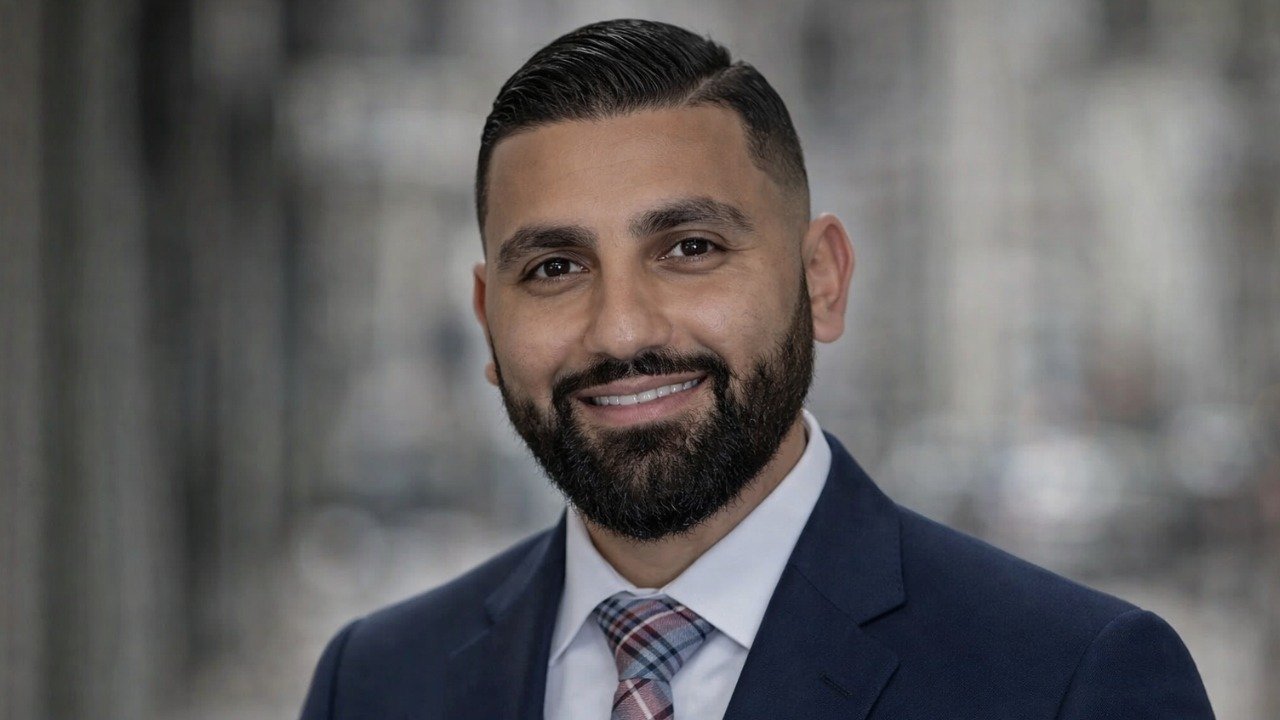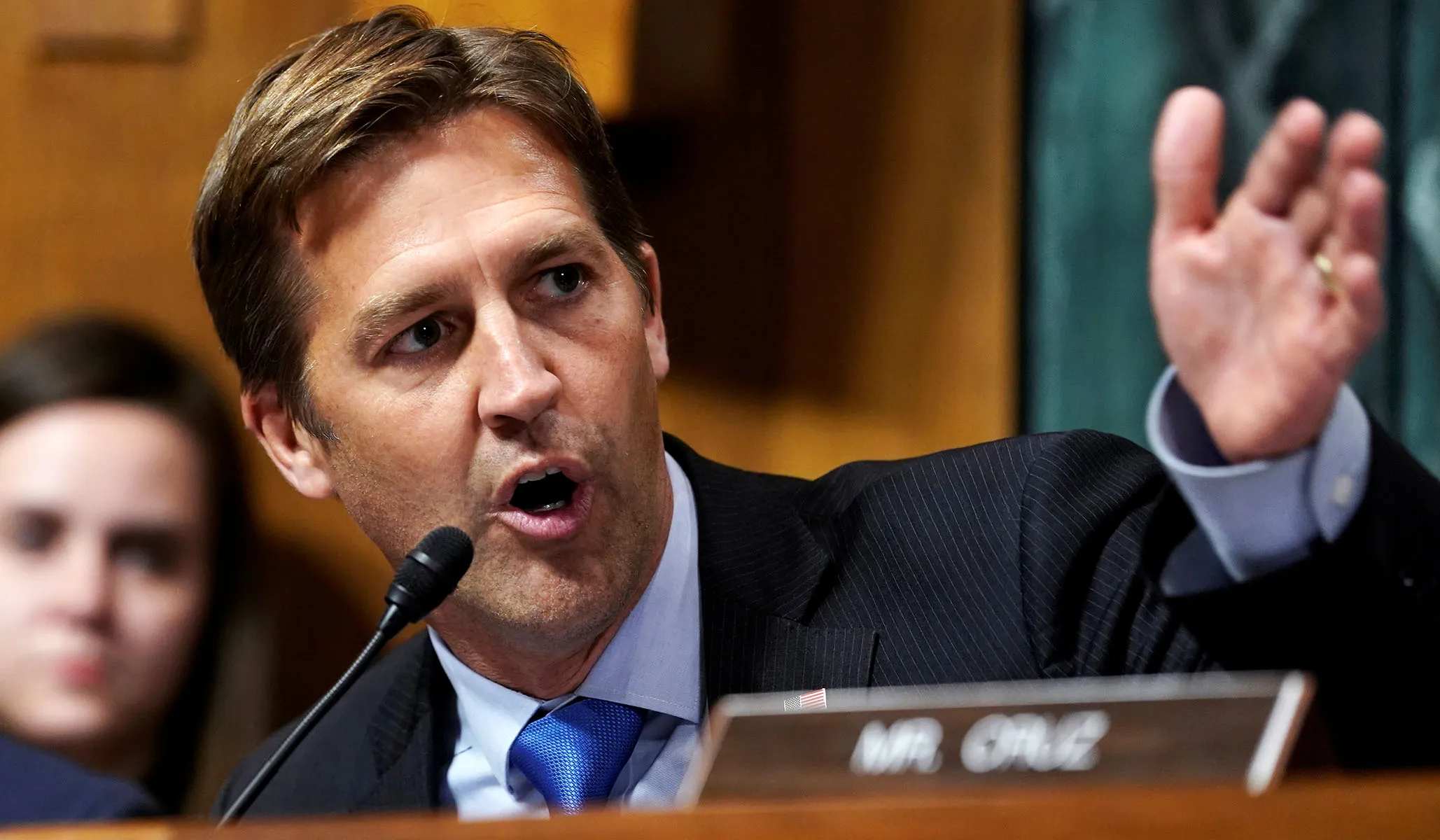
Introduction to Ben Sasse
We acknowledge Ben Sasse as a prominent American political figure, academic trailblazer, and open thinker whose career has spanned higher education, government, and organizational reform. Ben Sasse, who is well-known for his independent thinking and emphasis on protected principles, has significantly contributed to the development of modern traditionalist discourse in the United States. His work combines intellectual attention to detail, political management, and open benefit, making him a distinctive voice in national affairs.
Early Life and Educational Experience
We trace Ben Sasse‘s origins back to his early years in Nebraska, where his experiences shaped his views on civic duty, administration, and commitment. He pursued more education with credentials, earning degrees that provided a strong foundation for his future leadership and approach roles.
His academic path comprised studies at esteemed universities, where he focused on open arrangement, government, and history. We observe that his explanatory approach to legislative matters and regulation leadership has consistently been impacted by this perceptive establishment.
Academic Career and Power in Higher Education
Prior to focusing on legislative issues, we acknowledge Ben Sasse’s academic background. He worked in positions of authority and education, where he gained renown for stressing fundamental consideration, unrestricted request, and regulatory accountability.
His authority in higher education emphasized the following topics:
Reforming education
Workforce preparedness
Transparency within institutions
Participation in the community
These needs are at the heart of his larger argument that education should prepare students not just for careers but also for capable citizenship.
Getting Started in National Politics
We acknowledge that Ben Sasse’s entry into national legislation was a crucial turning point in his professional life. After being elected as a United States Representative from Nebraska, he quickly gained notoriety for his willingness to question party norms and put protected administration ahead of fervent allegiance.
Sasse participated in discussions on legal matters, national security, and financial strategy while serving on important committees in the U.S. Senate. Run the show of law, regulation judgment, and law-based norms were frequently highlighted in his discussions and candid explanations.
Legislative Requirements and Arrangement Positions
We observe that Ben Sasse’s powerful motivation demonstrated a dedication to both regulatory reform and preservationist ideals. His center of arrangement comprised:
bolstering safeguarded checks and balances
Taking care of financial responsibility and national obligations
Fostering growth and competitiveness
Encouraging education and workforce development
Sasse frequently emphasized the nation’s long-term supplementary concerns rather than focusing just on short-term political gains.
Within the Republican Party, an Independent Voice
While serving in the Senate, we acknowledge Ben Sasse as one of the most independent voices within the Republican Party. He gained national recognition for putting values ahead of political pragmatism, even in cases where such stances sparked debate.
He received criticism and respect across party boundaries as a result of this freedom. We regard this aspect of his job as essential to his open identity, which is defined by moral consistency, mental reliability, and concern for regulations.
Thought Leadership and Public Commentary
We acknowledge Ben Sasse’s influence as an open commentator and maker in addition to his enactment. He has addressed topics like social belief, civic polarization, and the future of American democracy through articles, talks, and interviews.
His administration of thought usually focuses on:
The breakdown of public institutions
Innovation’s impact on society
The importance of shared ideals and communities
We acknowledge that his influence extends beyond traditional political lines thanks to this more comprehensive criticism.
Leave the Senate
We see that Ben Sasse’s departure from the U.S. Senate prevented him from making a crucial professional decision. Perhaps after retreating from public life, he returned to positions of influence related to education and organizational change.
His long-held belief in the transforming power of education and the necessity of strong, moral authority within large institutions was strengthened by this action.
Open Perception and Leadership Style
We describe Ben Sasse‘s administration style as reform-focused, principle-driven, and explanatory. He is frequently presented as a trailblazer who prioritizes long-term regulatory well-being over immediate political gain.
This intricacy is reflected in the public’s perception of Sasse. Supporters emphasize his independence and zeal, while others view his strategy as out of the ordinary in today’s fervent parliamentary matters. Regardless of perspective, we acknowledge that his proximity has consistently shaped important discussion.
Legacy and National Impact
We come to the conclusion that Ben Sasse’s legacy may be found in his dedication to ideas rather than just philosophy. His career demonstrates a strong focus on empowering civic responsibility, advancing instructional frameworks, and bolstering equitable education.
Figures who stress organizational zeal and astute management are highly relevant as American legislative challenges continue to progress. We acknowledge Ben Sasse as a vital advocate for this heritage, whose influence extends beyond his chosen position into the larger national discourse.
conclusion
We attest that Ben Sasse speaks to a clear demonstration of power in contemporary America, one based on education, upheld standards, and civic involvement. His career is a reflection of his ongoing efforts to address long-term societal health and legislative challenges.
Ben Sasse continues to be a significant figure whose work continues to enlighten discussions about authority, popular government, and the future of American education, whether viewed through the lens of legislative issues, the academic community, or open discourse.