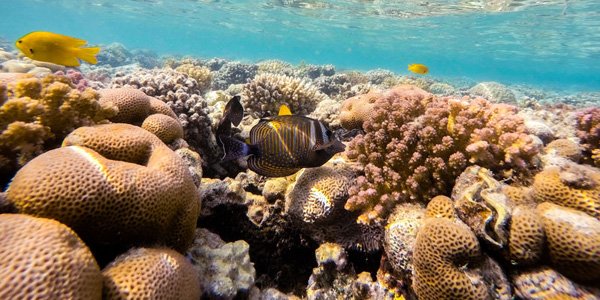
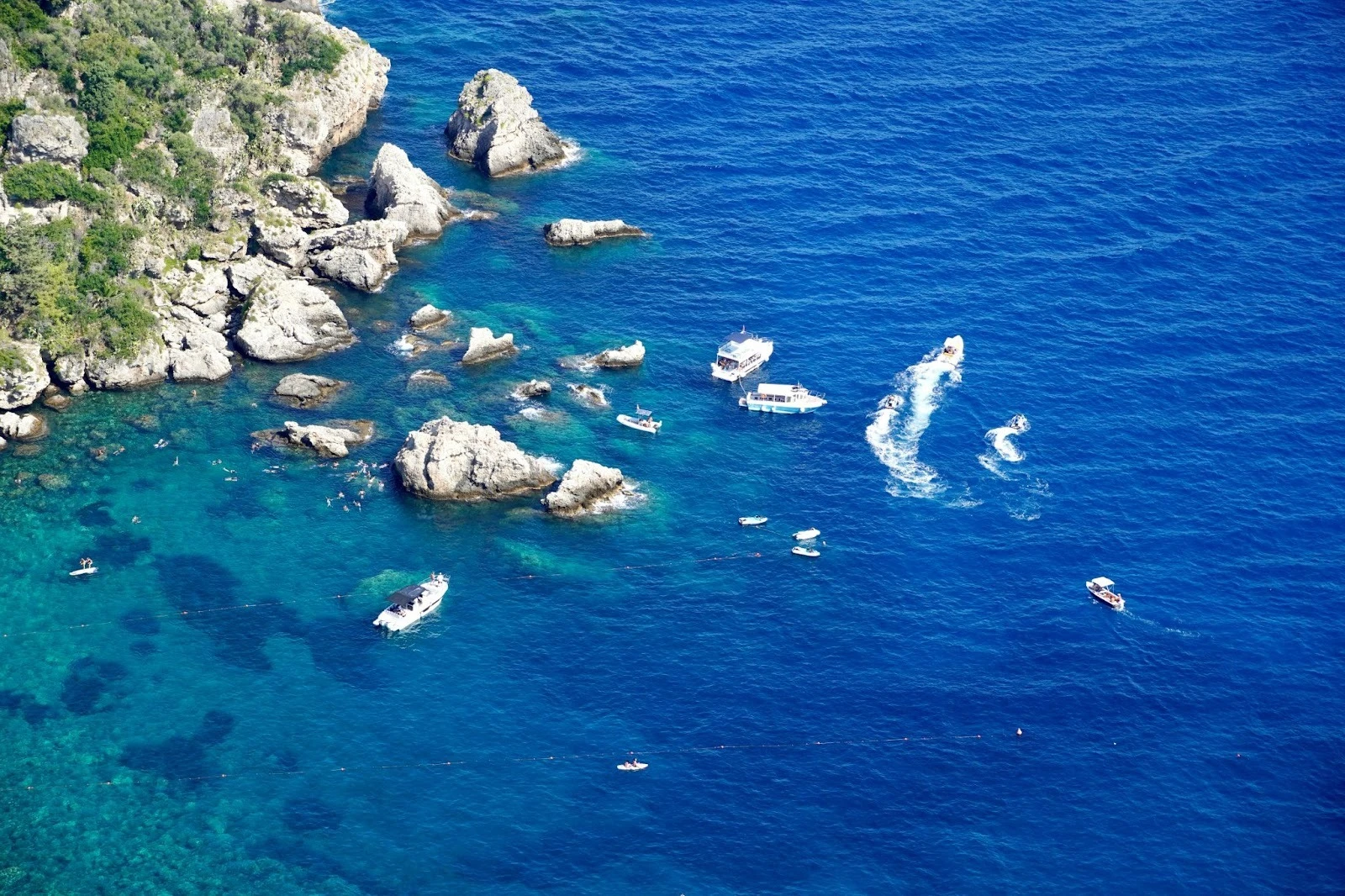
For experienced Divemasters looking to take the next major step in their diving journey, becoming a certified scuba diving instructor is both a professional milestone and a lifestyle transformation. The Gili Islands, particularly Gili Trawangan, have long been recognized as one of Southeast Asia’s most desirable locations for professional dive training. With warm waters, thriving marine ecosystems, and a strong global diving community, the Gili Islands provide an ideal environment to grow into a confident, skilled, and employable scuba diving instructor.
One of the most respected pathways to this career advancement is completing a PADI Instructor Development Course (IDC) under the guidance of an industry-recognized Course Director. When combined with world-class training facilities and real-world teaching exposure, this experience prepares candidates not just to pass exams, but to succeed long-term in the international dive industry.
Why Choose the Gili Islands for Instructor Training?
The Gili Islands offer far more than beautiful beaches and crystal-clear waters. For professional dive training, the region provides consistent diving conditions, a wide variety of dive sites, and a high volume of student divers throughout the year. These factors create a dynamic training environment where instructor candidates can gain practical, hands-on experience in real teaching scenarios.
Gili Trawangan, in particular, stands out as a global dive training hub. Its reputation attracts divers from all over the world, which means instructor candidates learn how to teach students of different nationalities, experience levels, and learning styles. This multicultural exposure is invaluable for those planning to work internationally after certification.
The Importance of High-Quality Instructor Development
Becoming a scuba diving instructor is not just about meeting minimum requirements or memorizing standards. It is about developing teaching techniques, leadership skills, risk management awareness, and the confidence to guide others safely underwater. A strong IDC program focuses on real-life training situations rather than purely academic instruction.
Under the guidance of an experienced Course Director, candidates are trained to think critically, adapt to different teaching environments, and handle the realities of working in busy dive centers. This approach ensures that newly certified instructors are fully prepared for employment immediately after completing their training.
Learning from an Industry-Leading PADI Course Director
One of the key advantages of completing your IDC in Gili Trawangan is the opportunity to train under a Course Director with decades of global diving experience. With over 25 years in the dive industry, extensive international teaching exposure, and thousands of instructor-level certifications issued, candidates benefit from insights that go far beyond standard course materials.
This level of mentorship allows instructor candidates to understand not only how to teach PADI courses effectively, but also how to build a sustainable and enjoyable career in diving. From understanding employer expectations to adapting teaching styles across different regions, this guidance is a major asset for anyone transitioning into a professional role.
Real-World Training That Builds Confidence
One of the defining features of a high-quality IDC in the Gili Islands is its focus on situational, experience-based training. Rather than rehearsing ideal scenarios, candidates are exposed to real students, real challenges, and real teaching environments. This helps develop the confidence and adaptability required to succeed in busy dive centers around the world.
Candidates learn how to manage groups efficiently, deliver clear and engaging briefings, conduct safe and effective confined and open water sessions, and respond calmly to unexpected situations. These skills are essential for instructors working in high-volume dive operations, resorts, or liveaboards.
The Role of Established Dive Centers in Instructor Training
Training through a well-established dive operator adds another layer of quality to the IDC experience. Dive centers with decades of operational history bring structured systems, experienced support staff, and a steady flow of students. This environment allows instructor candidates to observe and participate in professional-level dive operations from day one.
Such centers often operate multiple locations across Indonesia, providing candidates with insight into different operational styles and regional differences within the same organization. This exposure is especially useful for instructors planning to work across Southeast Asia or beyond.
Understanding the PADI IDC Curriculum
The PADI Instructor Development Course is designed to transform experienced divers into effective educators. The curriculum includes theory presentations, confined water teaching workshops, open water training exercises, rescue skill assessments, and knowledge development reviews.
Throughout the course, candidates receive continuous feedback and coaching aimed at refining their teaching techniques and improving overall performance. By the time candidates reach the Instructor Examination phase, they are well-prepared not just to pass, but to perform confidently and professionally.
For those researching professional training opportunities, detailed program information about the padi idcgilitrawangan experience can be found through established training providers that specialize in instructor-level development.
Career Opportunities After Certification
Once certified, scuba diving instructors gain access to global employment opportunities. PADI instructors are in demand in tropical destinations, resort locations, liveaboards, and training centers worldwide. The experience gained during an IDC in the Gili Islands makes candidates particularly attractive to employers due to their exposure to high-volume, international teaching environments.
Many instructors go on to specialize further by teaching advanced courses, continuing education programs, or progressing toward higher professional ratings. Others combine diving with travel, making it possible to work seasonally in different parts of the world.
Support Beyond Certification
A strong IDC program does not end with certification. Ongoing mentorship, career advice, and industry insights are often provided to help new instructors navigate their first professional roles. This support can include guidance on job placement, resume preparation, interview techniques, and adapting to different dive center cultures.
For aspiring instructors seeking comprehensive training and post-certification support, exploring professional pathways such as padi idcgilitrawangan programs offered by reputable training organizations is a valuable step toward long-term success.
Making the Transition into a New Lifestyle
Becoming a scuba diving instructor is more than a career move—it is a lifestyle change. Living and training in the Gili Islands allows candidates to immerse themselves fully in the diving world while enjoying a relaxed island environment. This balance of professional development and quality of life is one of the main reasons the region continues to attract instructor candidates from around the globe.
From daily dives and skill workshops to evenings spent connecting with fellow divers, the experience is both professionally enriching and personally rewarding.
Final Thoughts
Choosing where and how to complete your Instructor Development Course is one of the most important decisions in a diving career. The Gili Islands, with their ideal training conditions, experienced mentors, and established dive operations, offer an exceptional environment for professional growth.
By focusing on real-world training, experienced leadership, and long-term career preparation, an IDC in Gili Trawangan provides the foundation needed to succeed in the global dive industry. For Divemasters ready to step into a new challenge and build a fulfilling future underwater, this path offers both opportunity and adventure in equal measure.